Follow me:


Fading Memories – Elisabetta Franchi – MFWFW 2026/27-

Milano Fashion week - FW 2026/27
Fading memories - Elisabetta Franchi
fading-memories-elisabetta-franchi
The moment I saw Carmella Rose emerge from the show and walk slowly, with grace and a subtle smile, toward the car waiting for her outside Palazzo Acerbi, I understood that something truly magical had taken place within those historic walls. It was not merely a fashion show; it was an emotional experience, a suspended moment between past and present, where elegance transformed itself into narrative and every detail seemed to belong to a dream meticulously envisioned by Elisabetta Franchi.
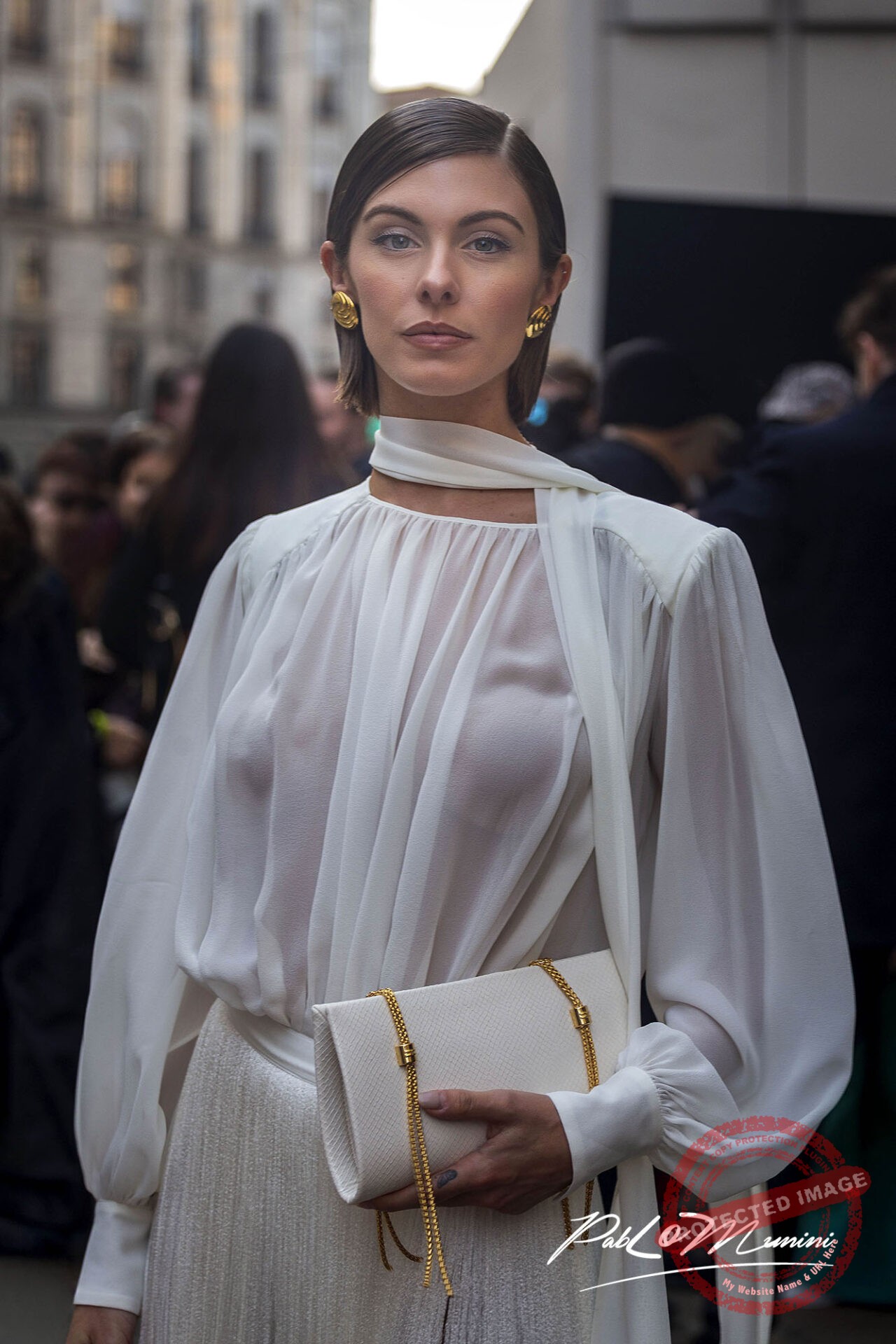
Carmella Rose’s gown embodied that vision perfectly. The voluminous, romantic sleeves floated effortlessly before narrowing delicately at the wrists, while the skirt — composed of endless white fringes — turned every movement into a surreal and hypnotic dance. The garment moved like poetry in motion: strands parted and swayed beneath the light, creating shadows, reflections, and a sense of freedom that felt entirely cinematic. Each gesture appeared to slow time itself, transforming the Milanese street into a silent runway where beauty coexisted with everyday life.
Inside the frescoed corridors of Palazzo Acerbi, the Fall Winter 2026–2027 collection unfolded as a theatrical celebration of femininity. The sixteenth-century residence, once home to Marquis Ludovico Acerbi, once again became a stage of grandeur and mystery. White feathers drifted softly from the ceiling while Juno Francis performed “Fading Memories,” enveloping the atmosphere in refined nostalgia. Later, the emotional crescendo reached its climax with “Aria” by Argy and Omnya, elevating the presentation into a fully immersive sensory experience.
The collection explored womanhood through a lens inspired by Victorian austerity, reinterpreted through the maison’s unmistakably contemporary and sensual language. A constant dialogue unfolded between discipline and desire, structure and seduction. There was no singular aesthetic code: the miniskirt coexisted naturally with the longuette, high necklines contrasted with daring décolletage, oversized blazers accompanied sculpted bustiers. Everything depended on attitude and on the way each woman chose to inhabit the garments and express her individuality.
Crystal embroideries illuminated skirts, dresses, and masculine tailoring with an almost sculptural radiance. The silhouettes were constructed with architectural precision: nineteenth-century-inspired corsetry defined the waist, while internal structures sculpted the body with elegance and control. Yet this rigor was softened by the fluidity of the fabrics. Enveloping coats, georgette blouses, and cascading taffeta skirts introduced movement, softness, and a distinctly modern femininity.
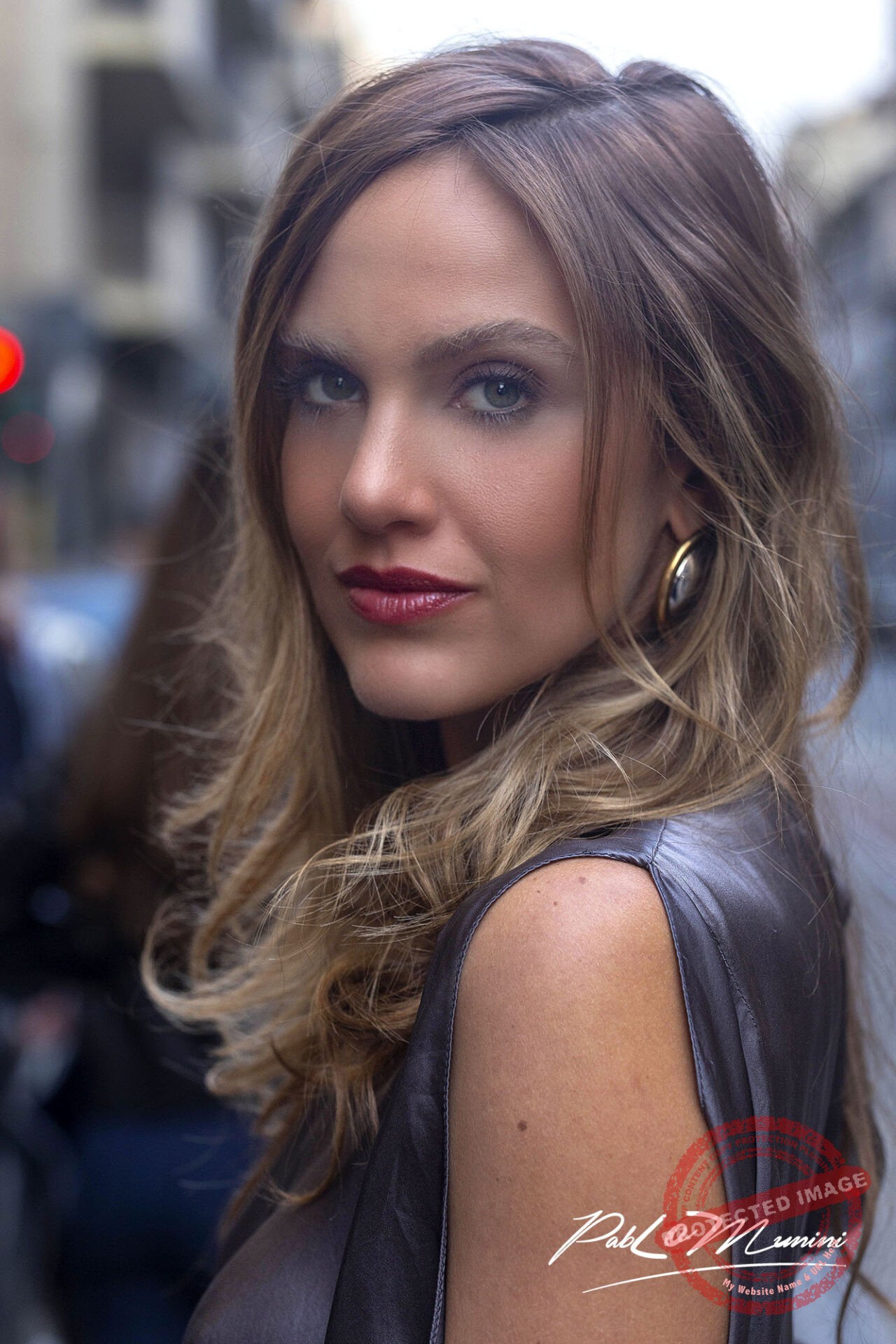
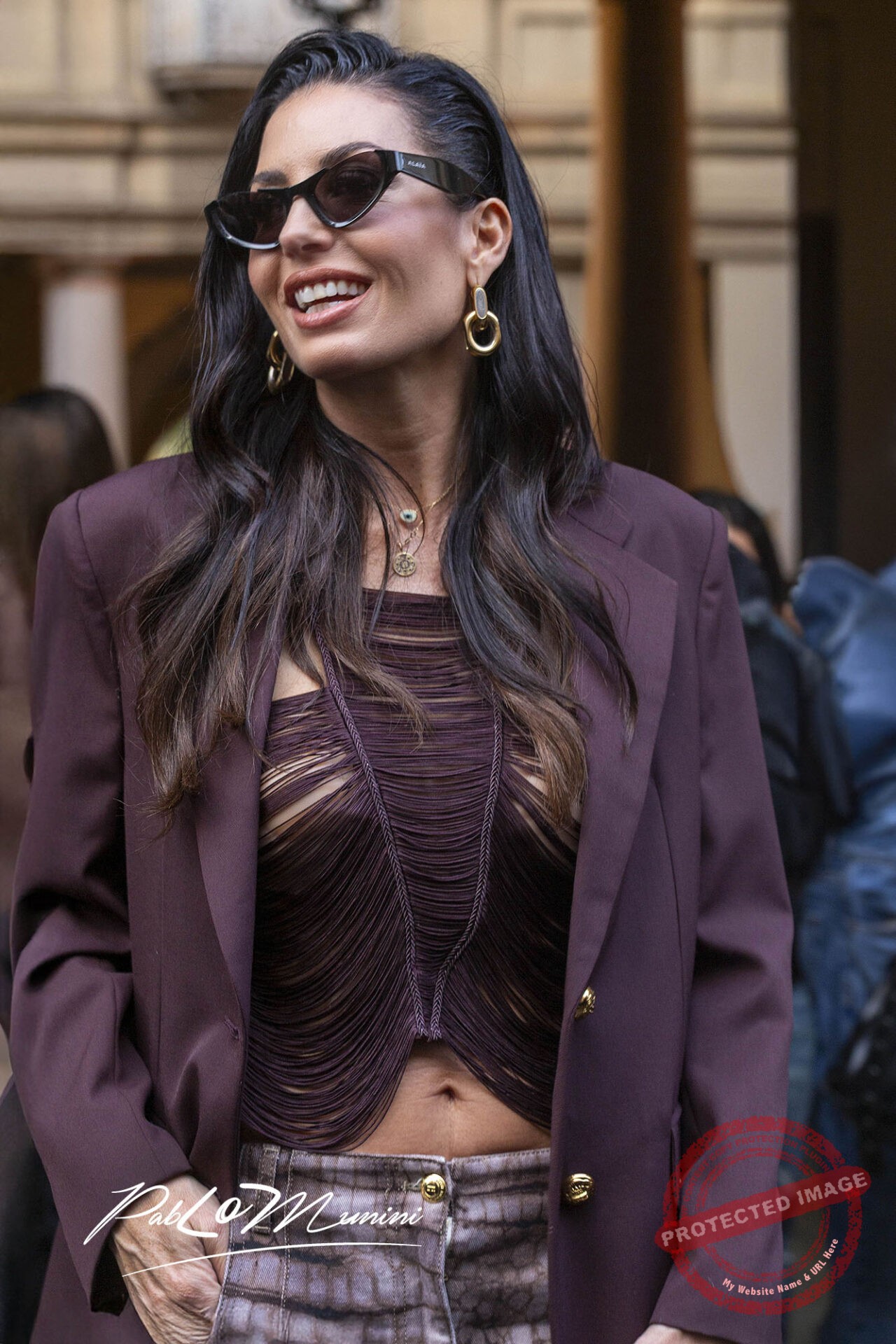
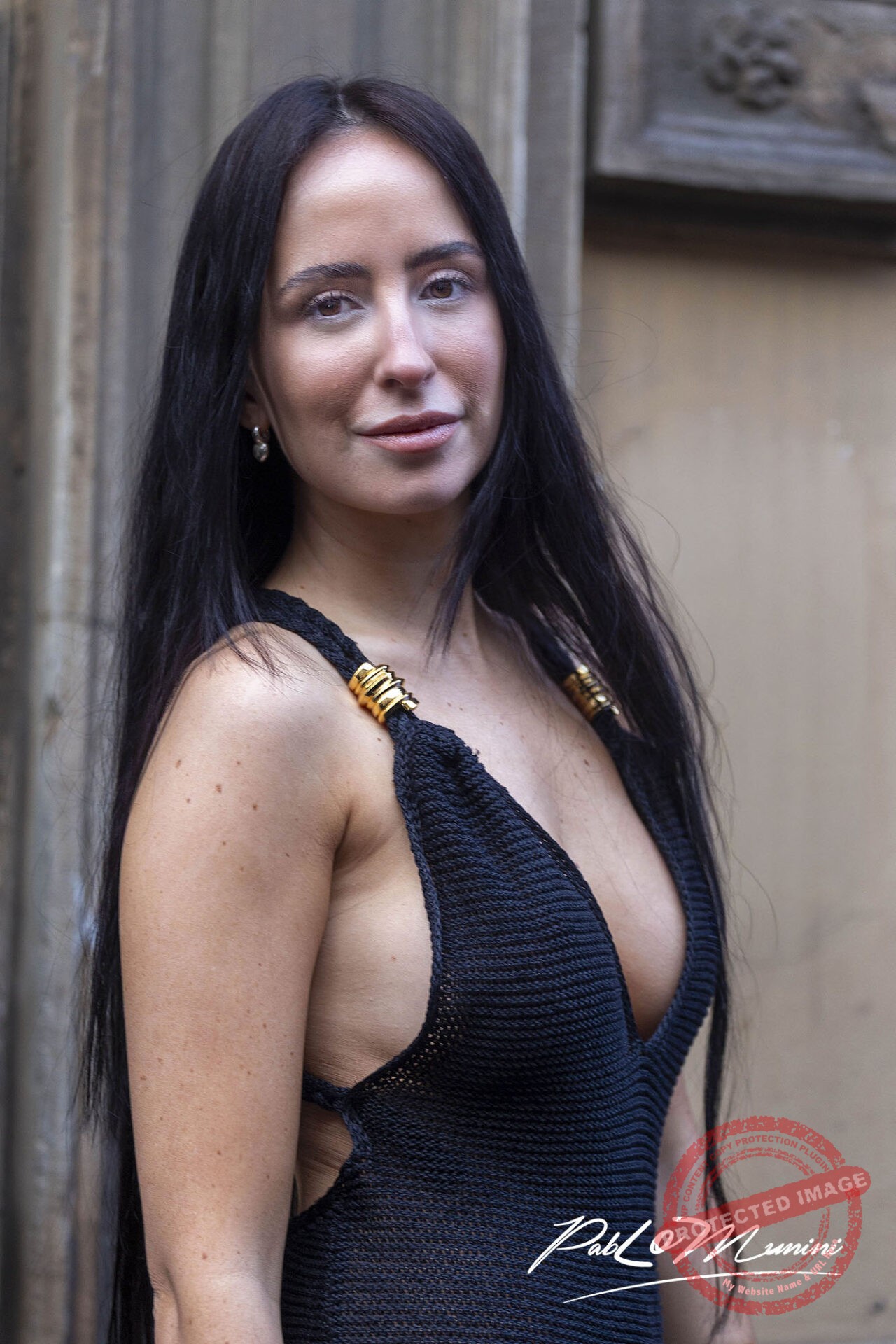
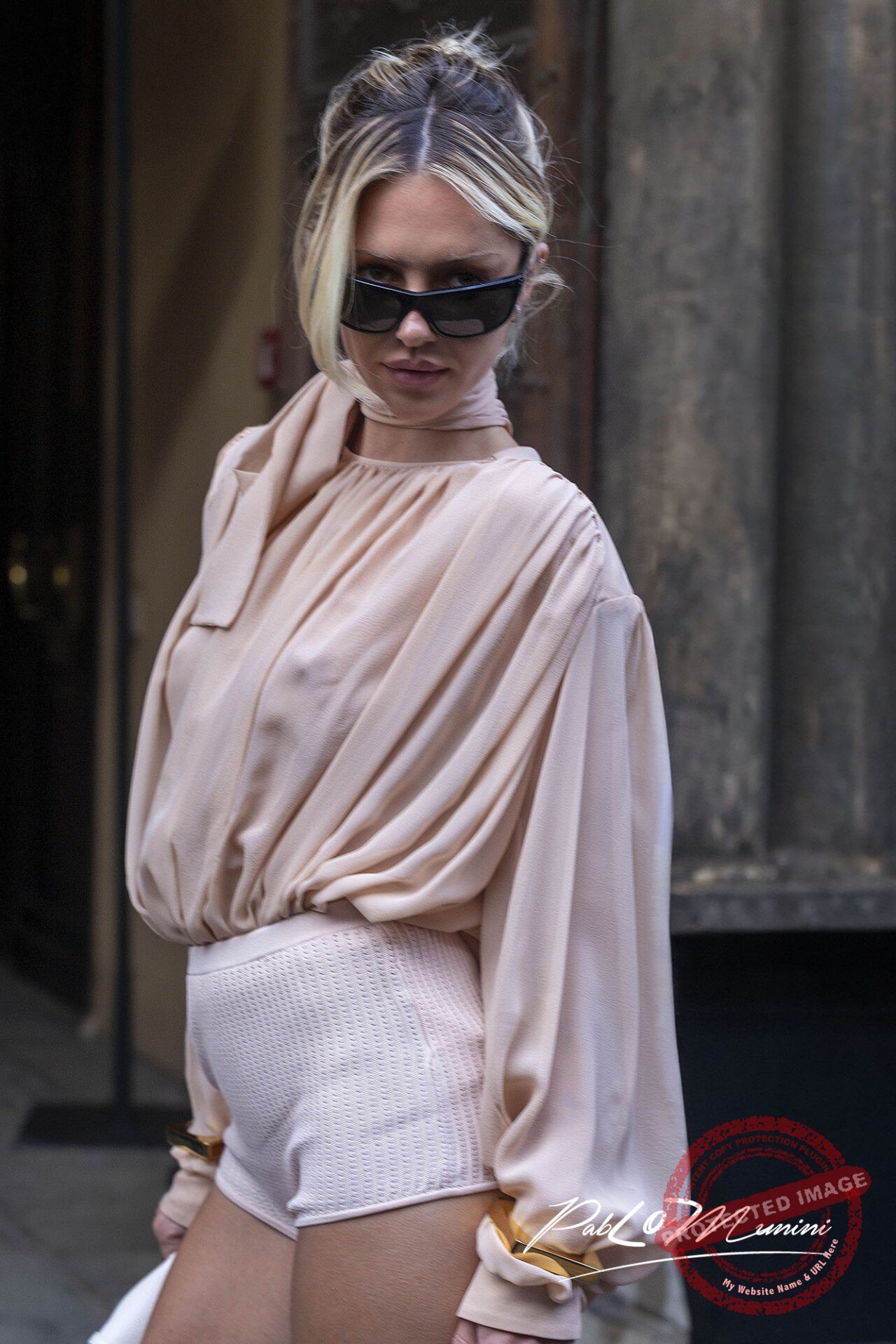
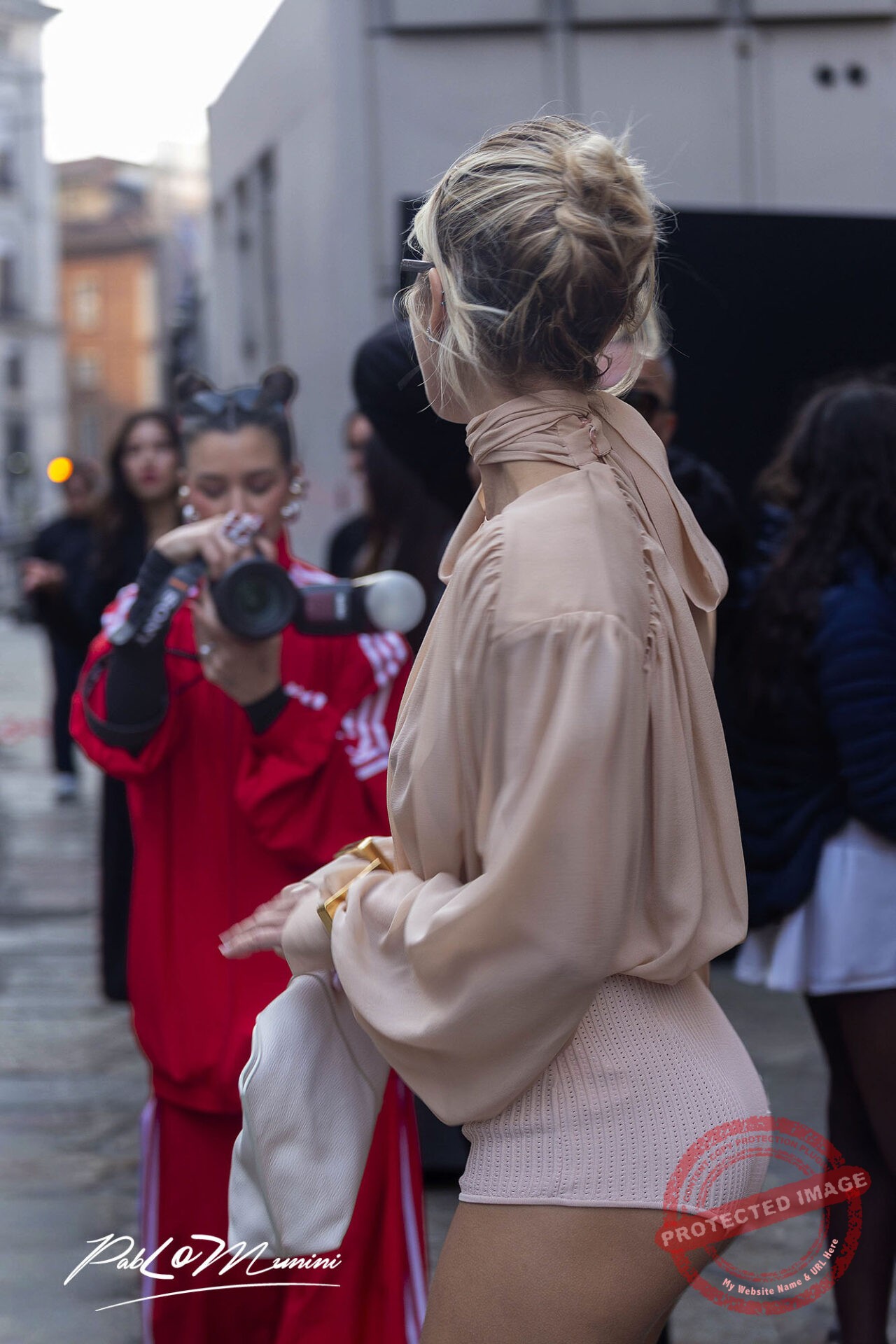
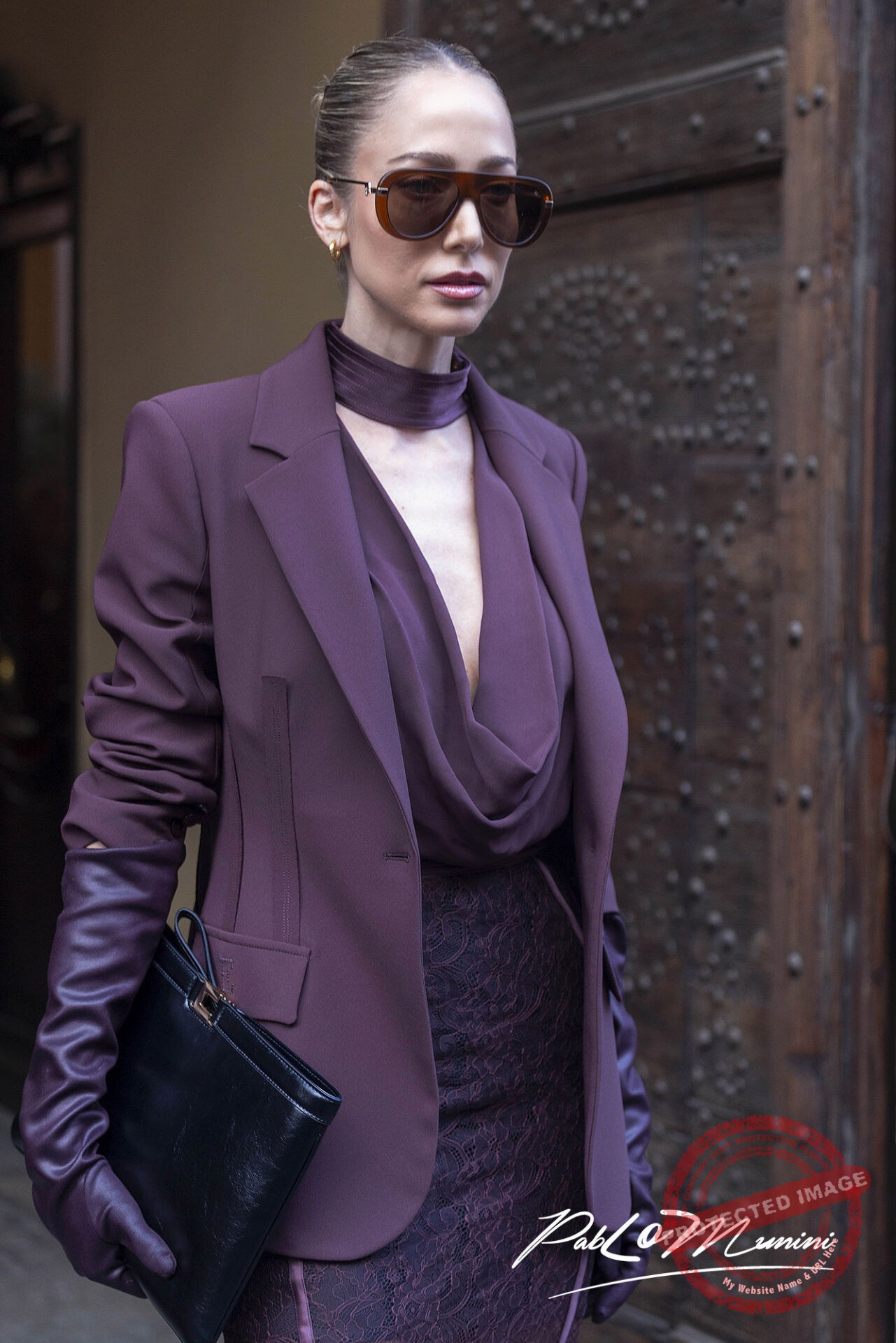
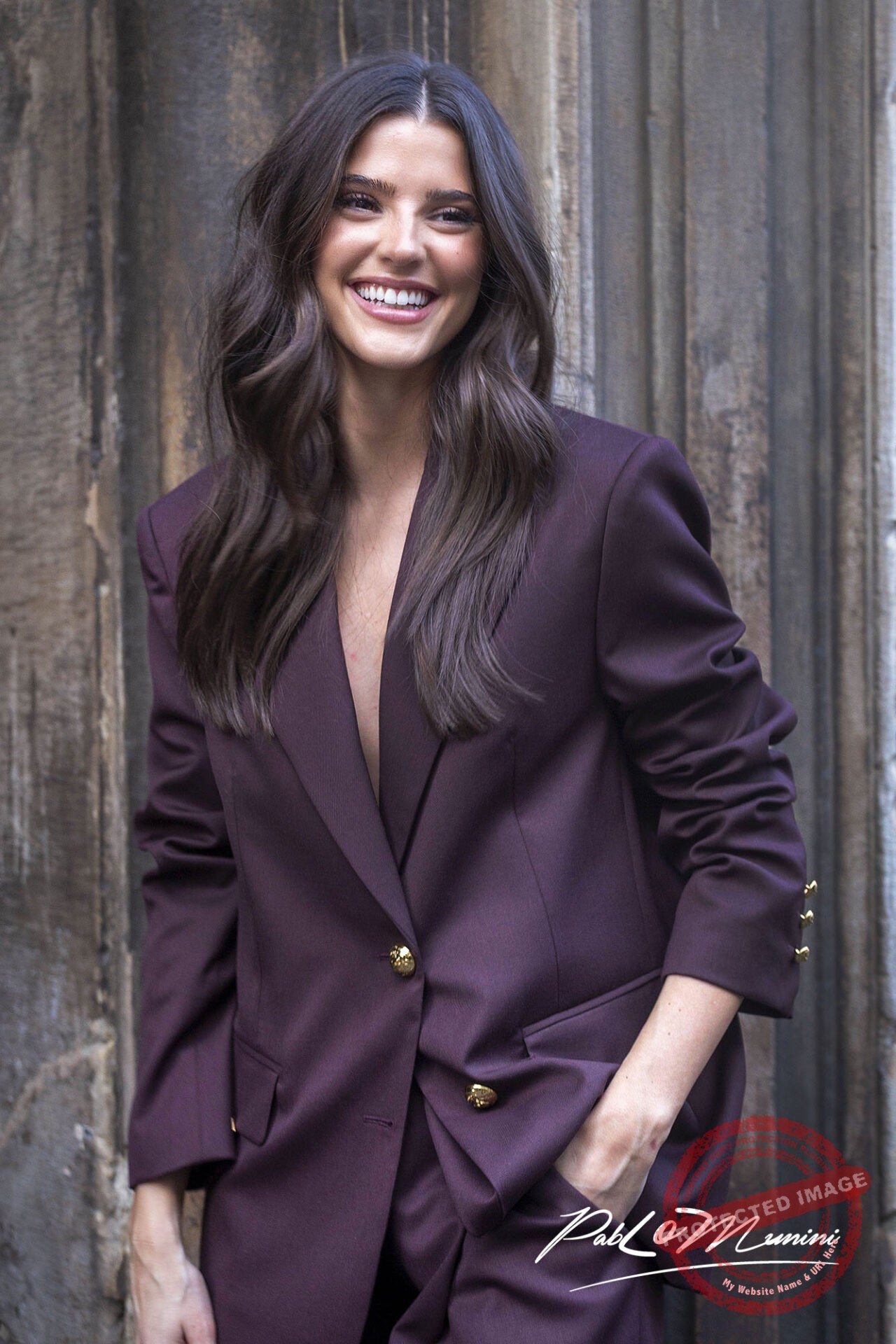
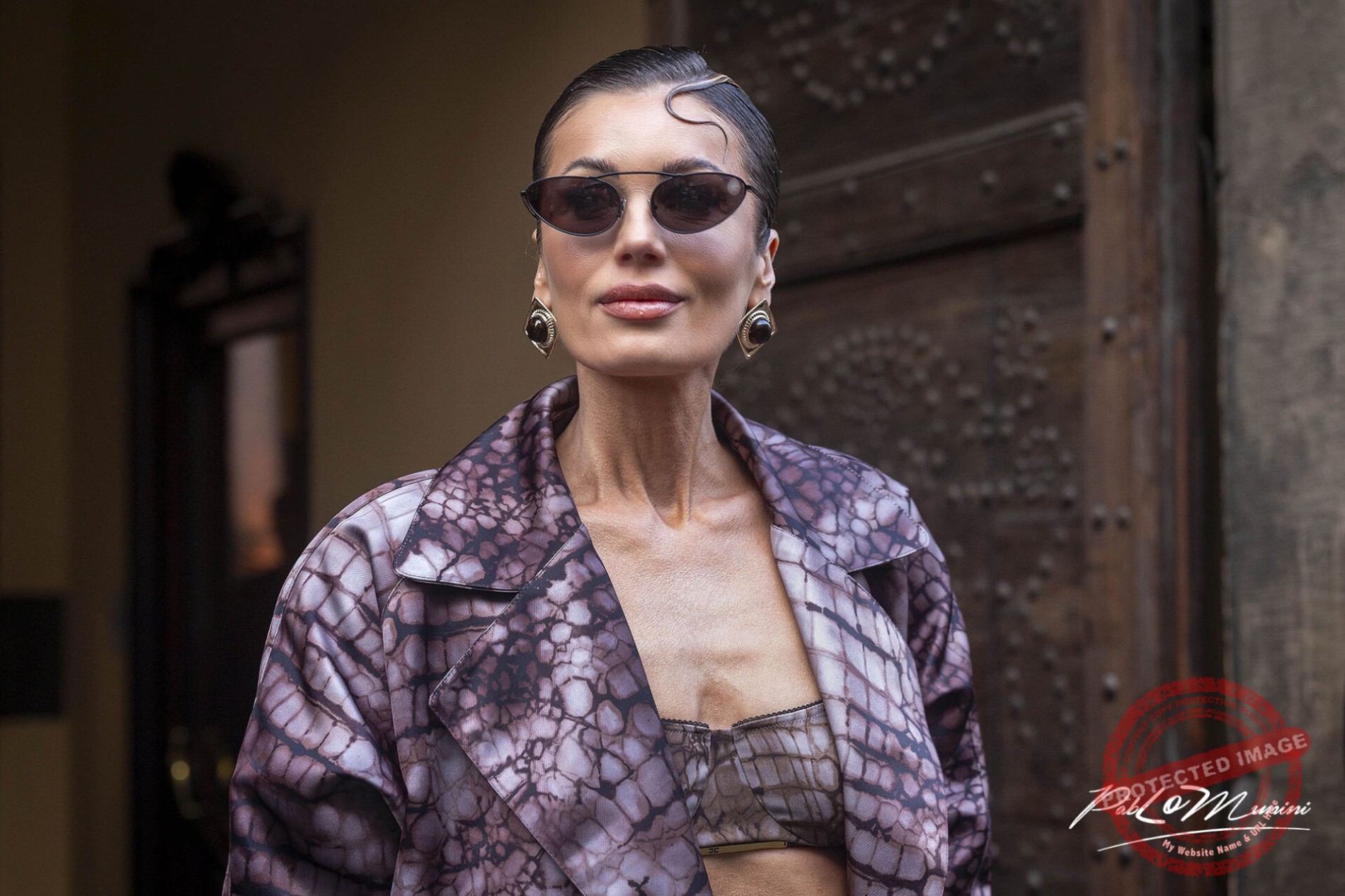
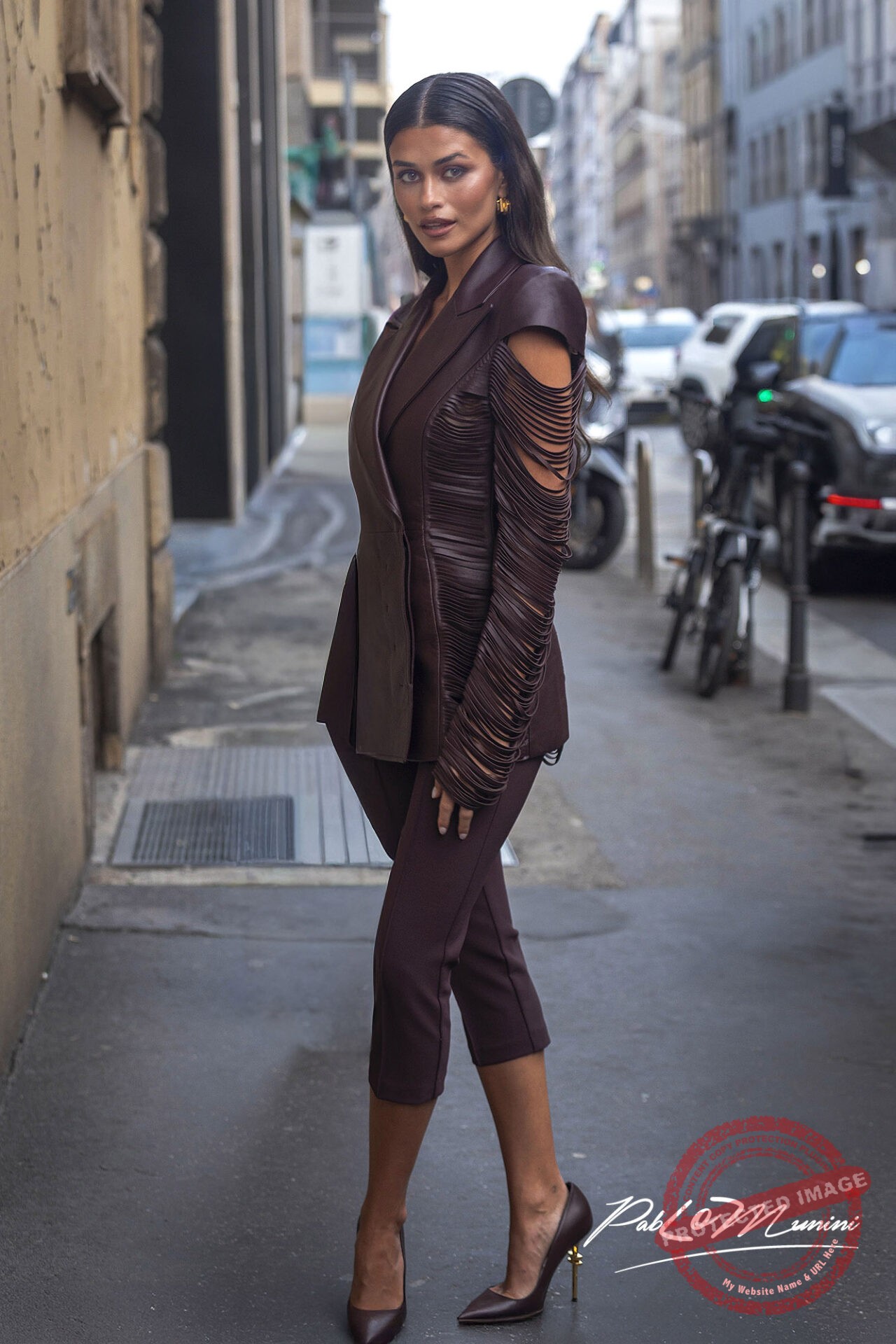
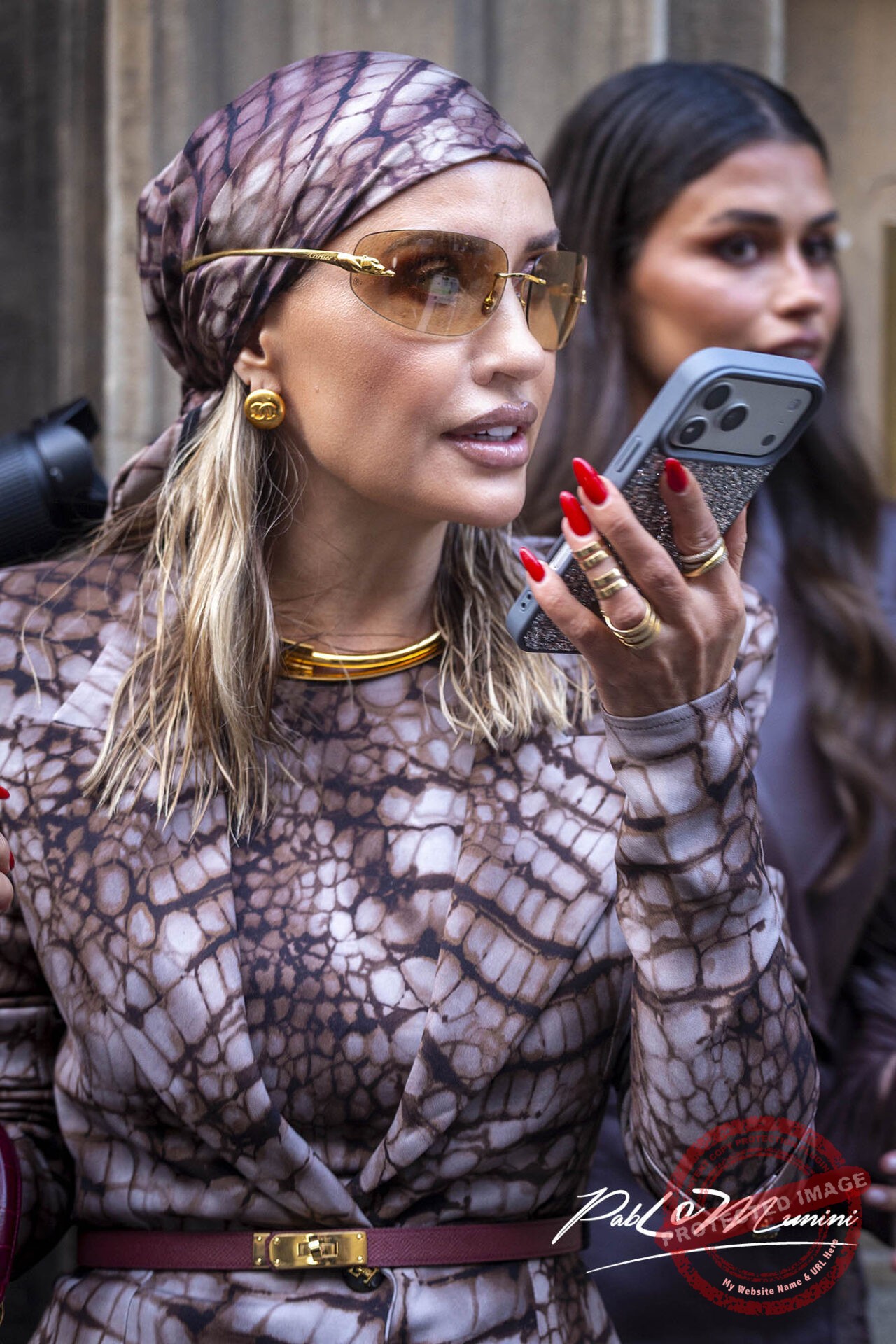
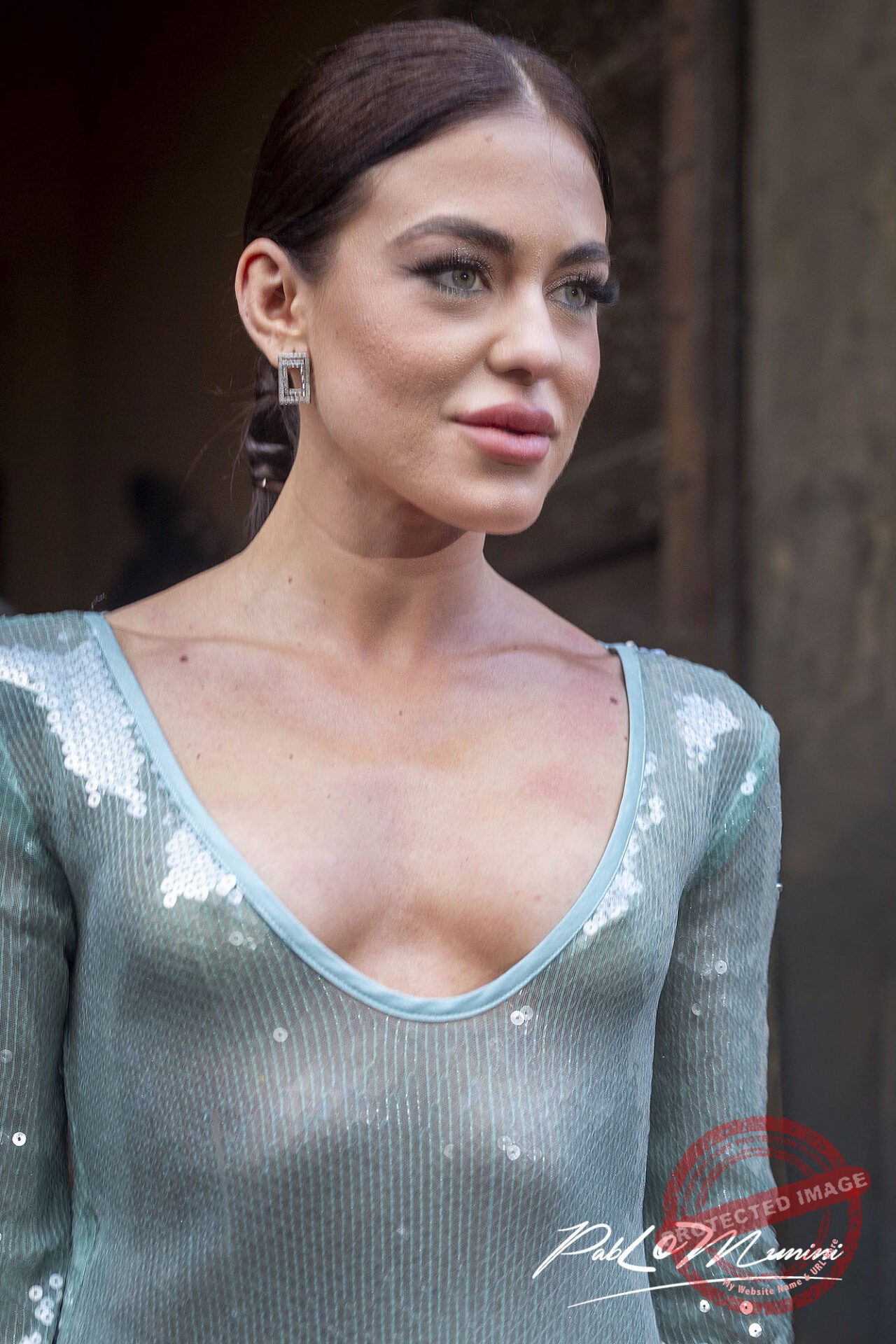
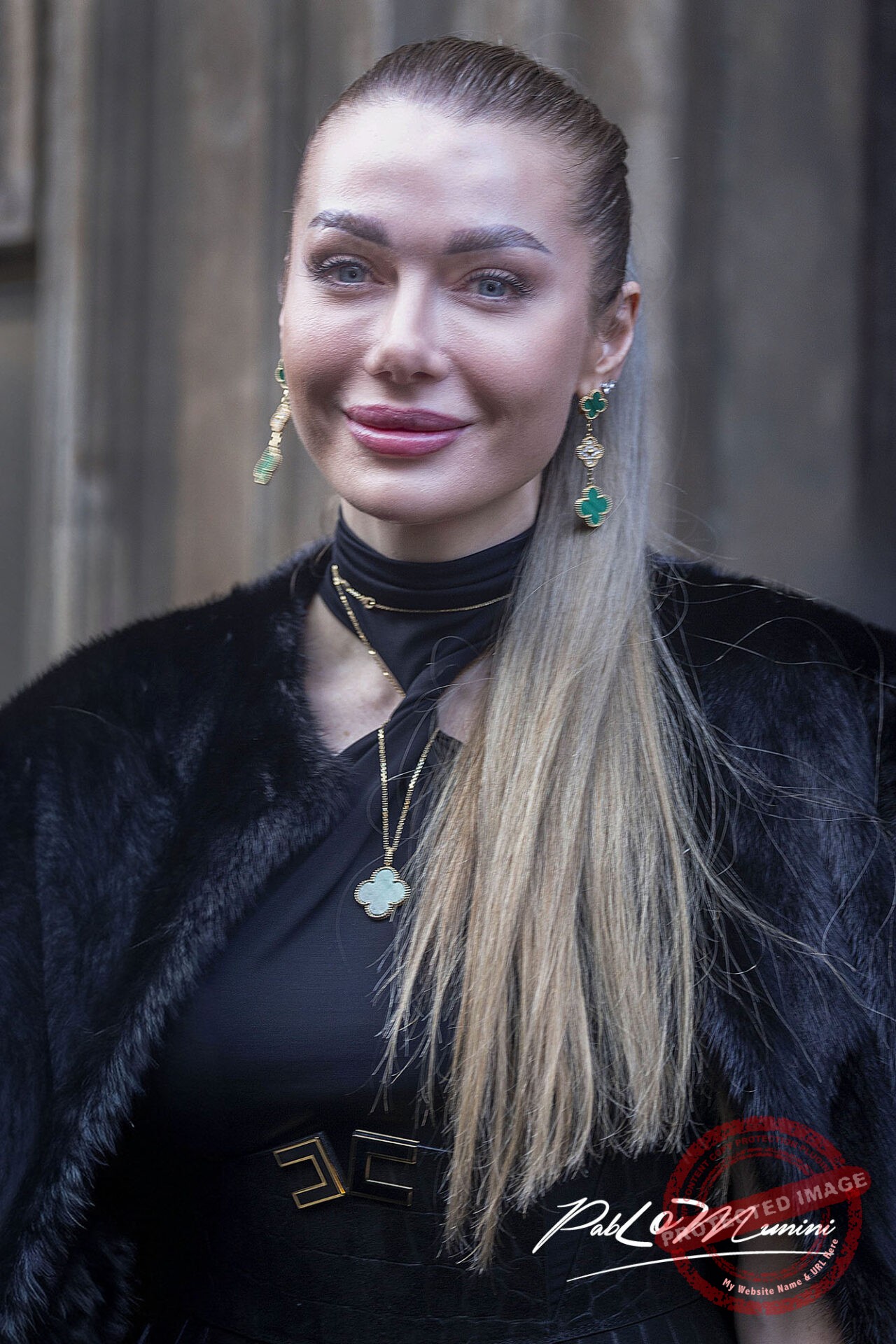
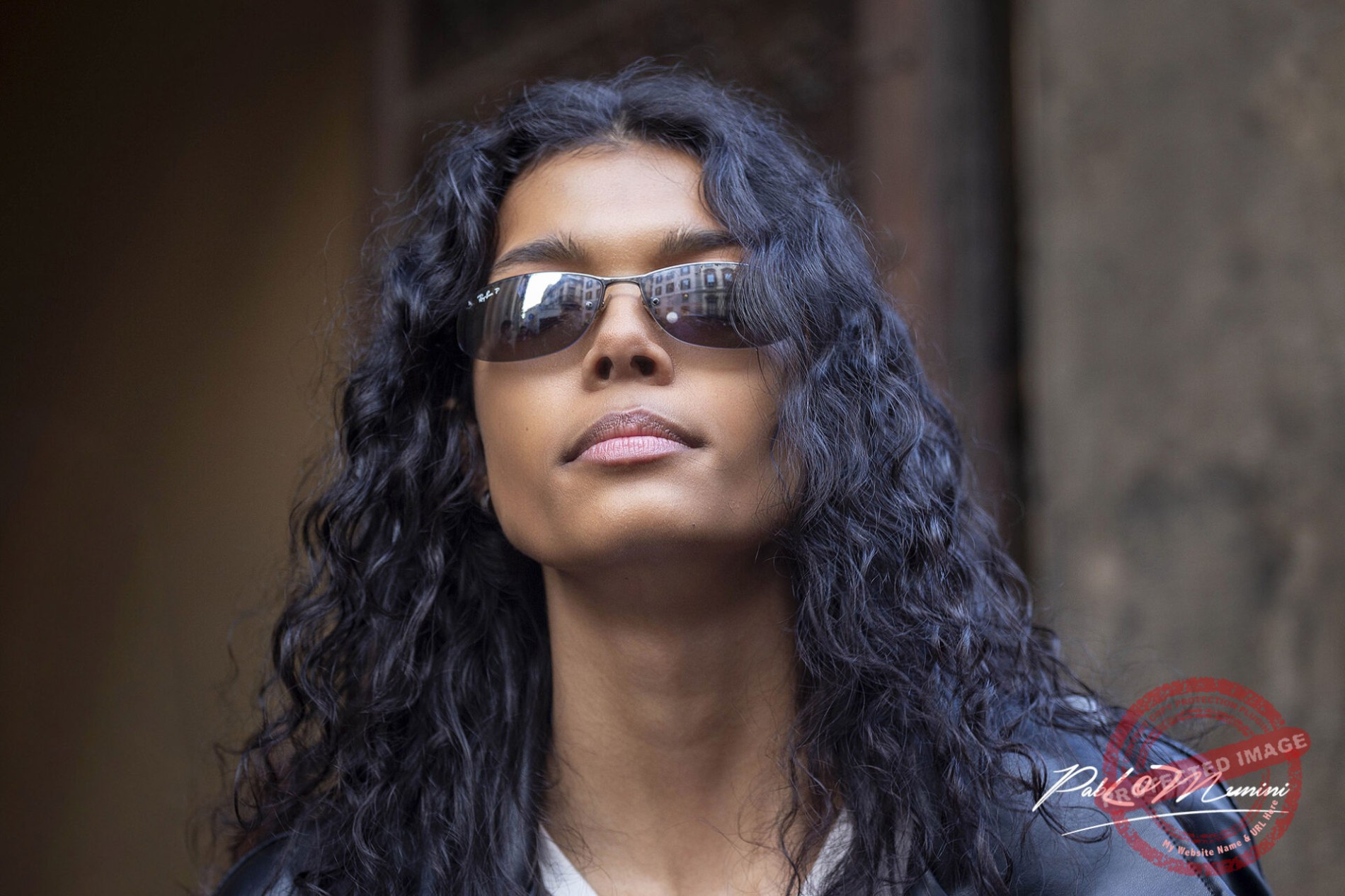
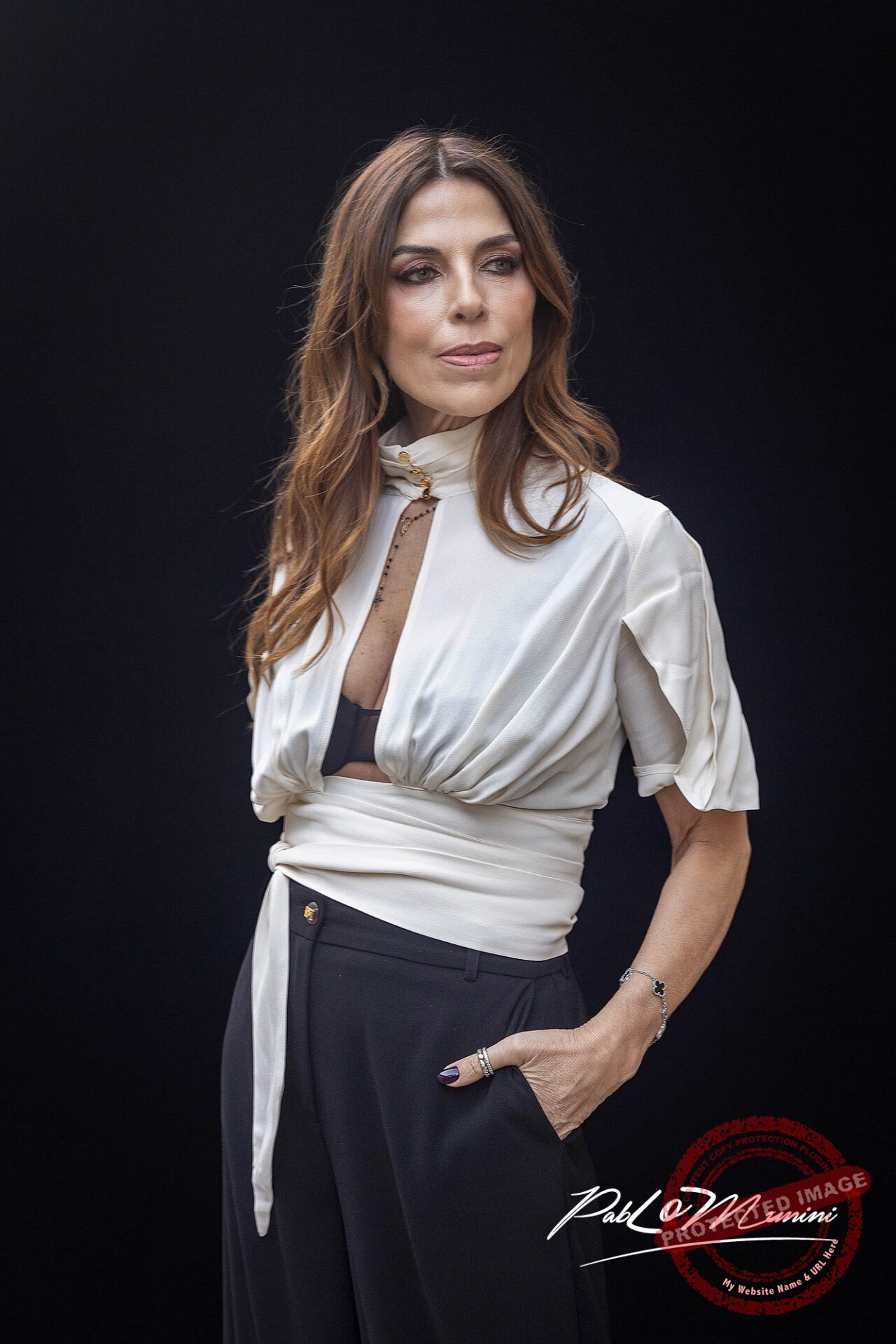
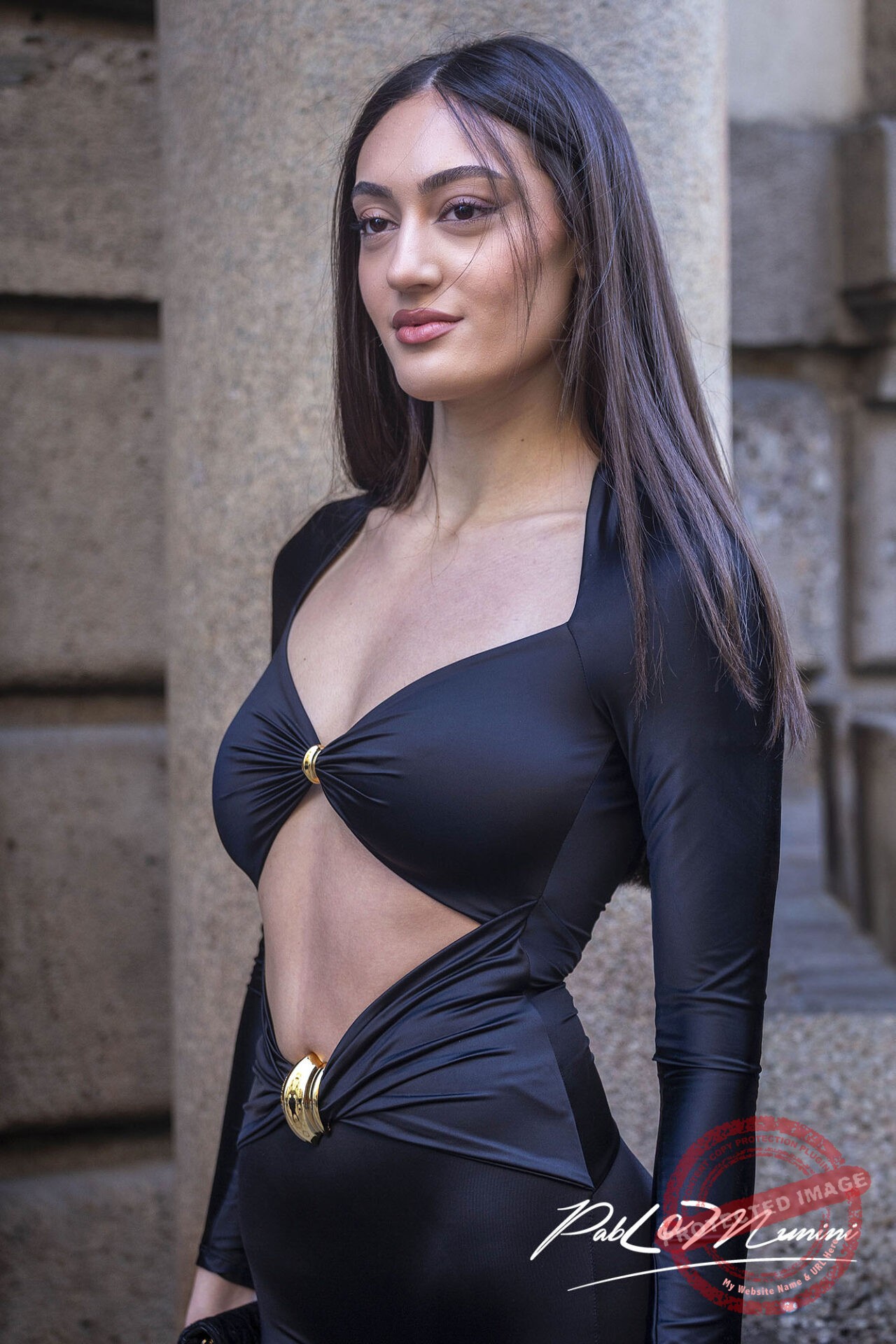
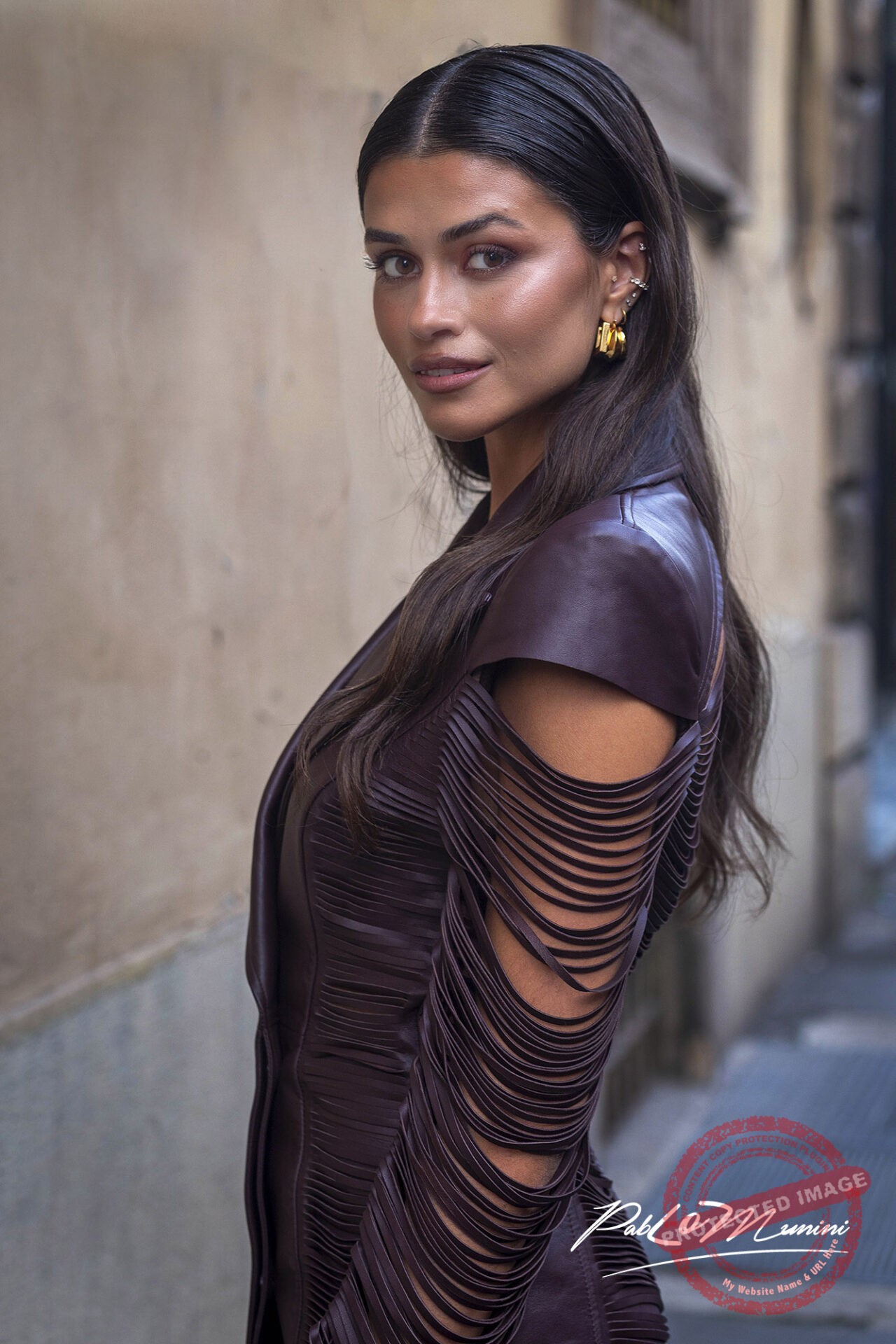
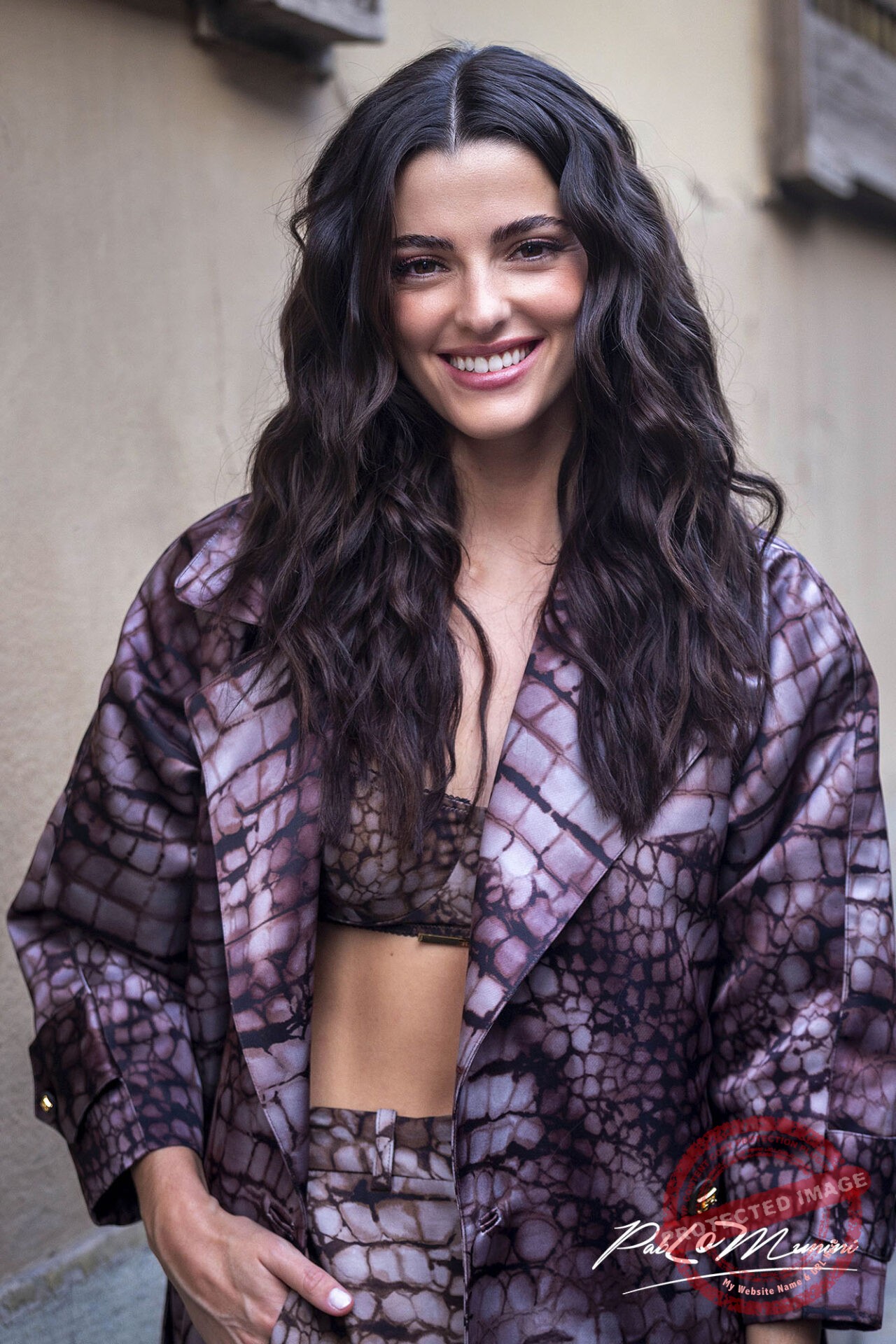
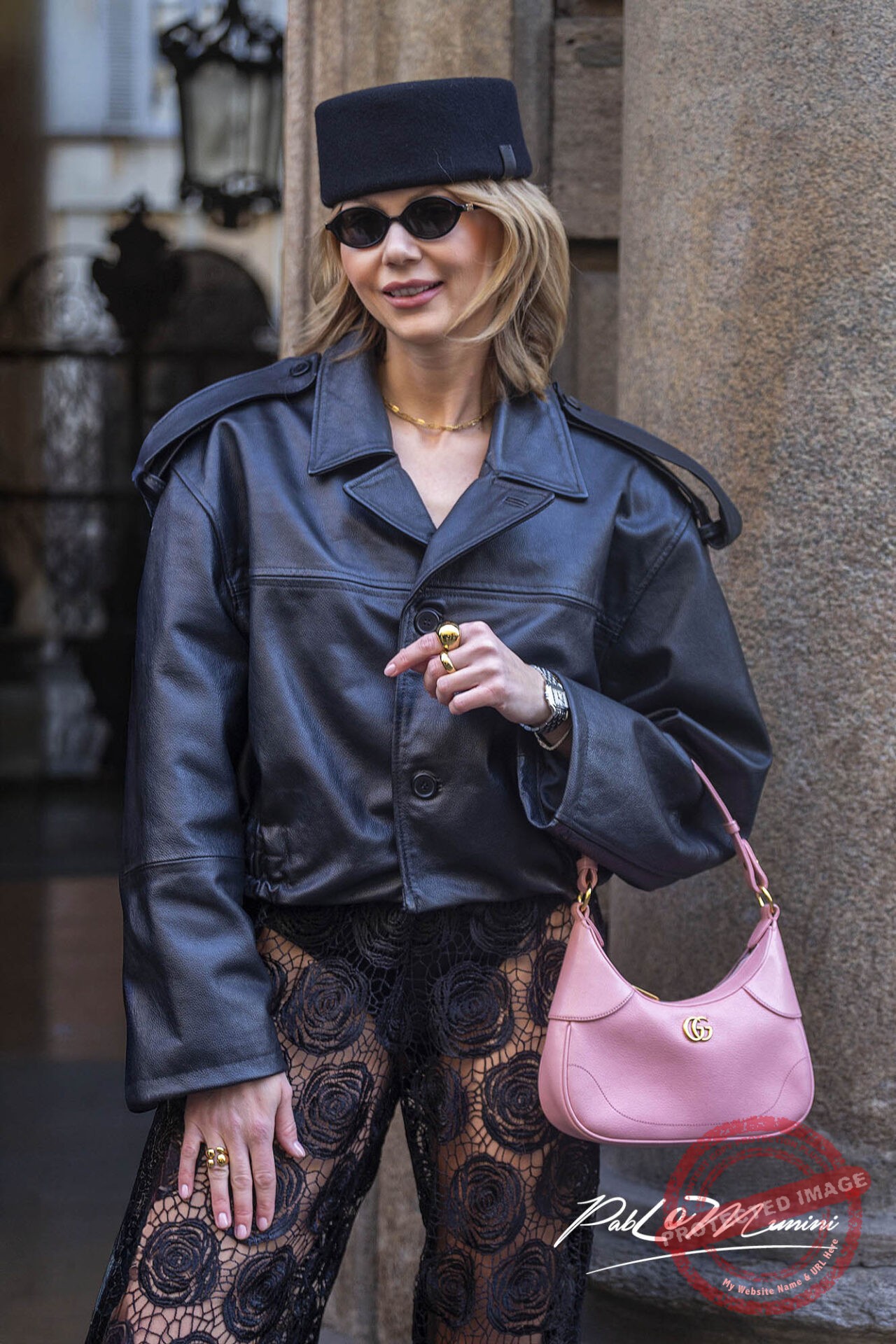
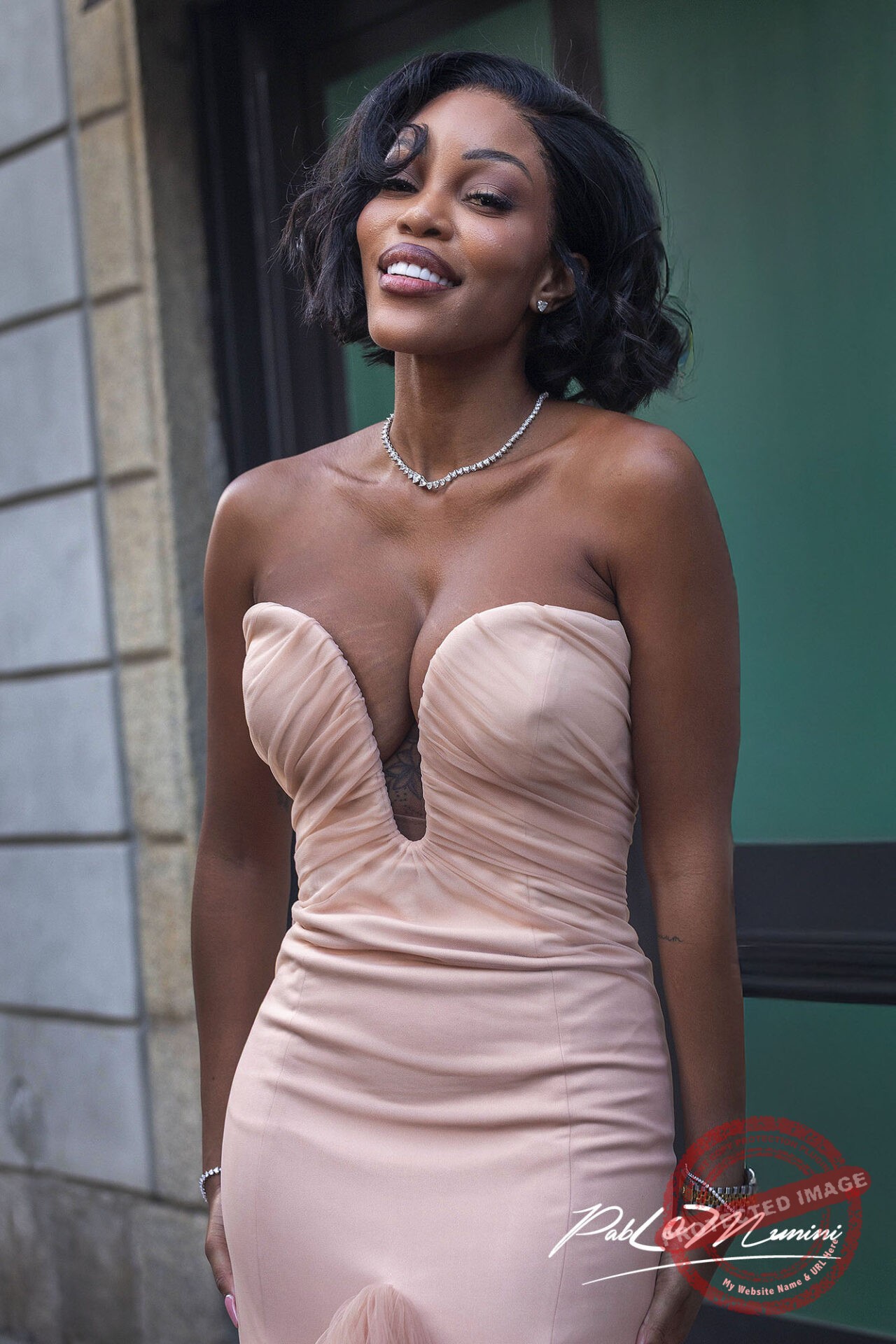
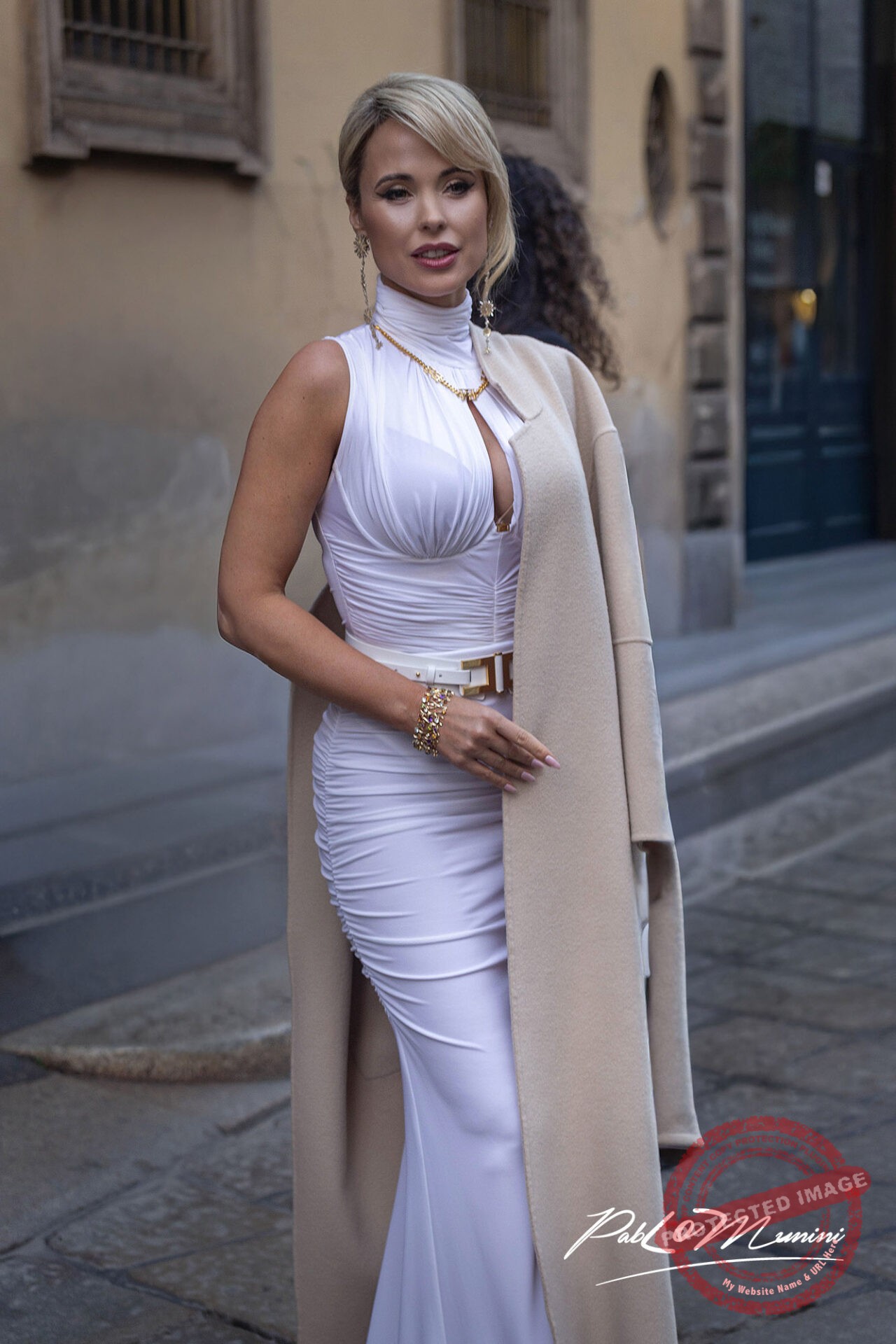
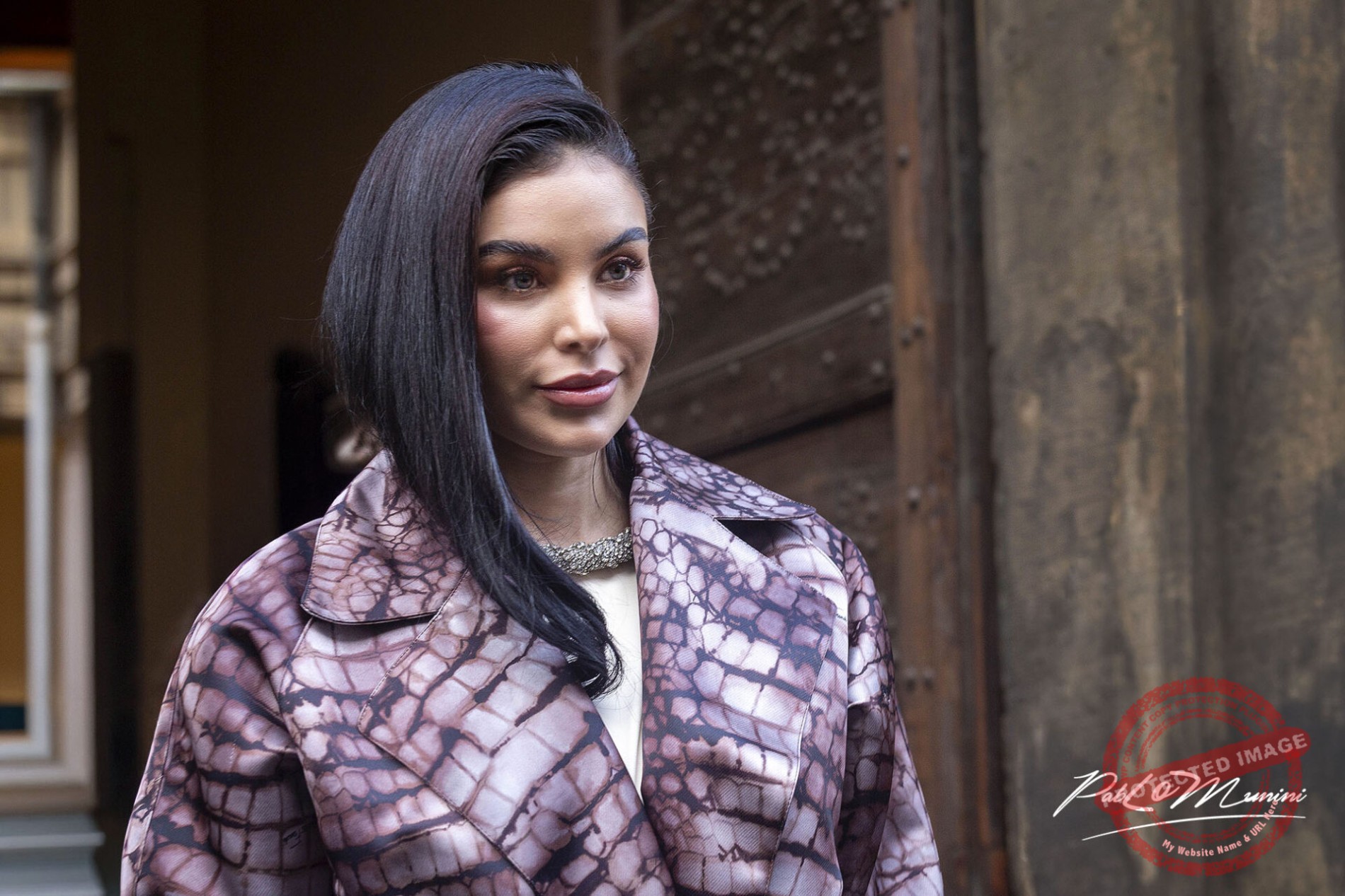
The models seemed to move between different feminine identities: some prepared for a baroque soirée, others for an intimate dinner in Milan, others projecting the composed confidence of a woman stepping into the office after an unforgettable night. And all of this emotion, all of this carefully crafted storytelling born inside the show, spilled effortlessly into the streets outside. The contrast between the immaculate elegance of guests posing before our cameras and the authenticity of the traditional Milanese neighborhood gave rise to a new narrative — one in which fashion does not merely dress the body, but also carries emotion, identity, and the way a woman chooses to inhabit the world.
Pablo Munini © Milano, May 2026
fading-memories-elisabetta-franchi