Follow me:


Riyadh
Souk Al-Zal
A Journey to a City Between Two Worlds
Riyadh
I arrived in Riyadh in January with the wrong suitcase.
I had imagined Arabia the way we imagine places before we truly know them: sun, sand, heat, and a motionless horizon beneath the desert sky. So I stepped off the plane prepared for the temperatures I associated with those latitudes, only to discover, with some disbelief, that it was cold.
It was the first sign that Riyadh had no intention of resembling the city I had imagined.
The second was my hotel, an unusual building shaped like a ship, facing a colossal shopping mall where, at almost any hour of the day, locals wandered past dazzling shop windows, bought luxurious Western perfumes, or sat down leisurely for lunch. It was my first encounter with one of the city’s many contradictions.
The third surprise came when I climbed into a taxi.
The driver and I shared no common language. He was one of the many immigrants working in the Saudi capital. I tried to explain my destination in English, then with gestures, with my phone, stubbornly pointing to a spot on the map. He replied with words that were completely incomprehensible to me and a smile.
I still don’t know quite how, but we made it.
And the payment turned out to be as unusual as the journey itself: I ended up filling his tank with petrol.
And so my adventure in Riyadh began.
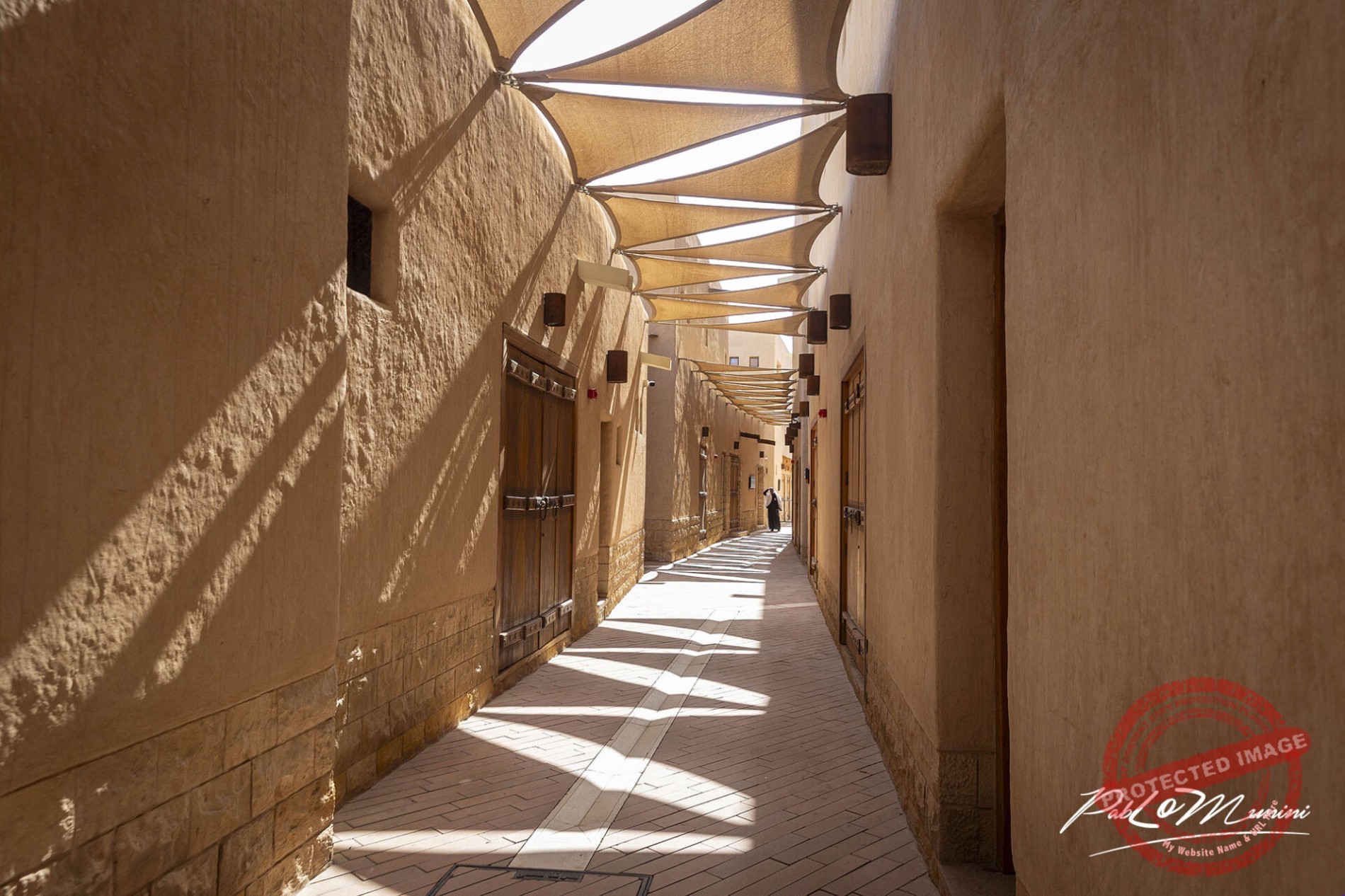
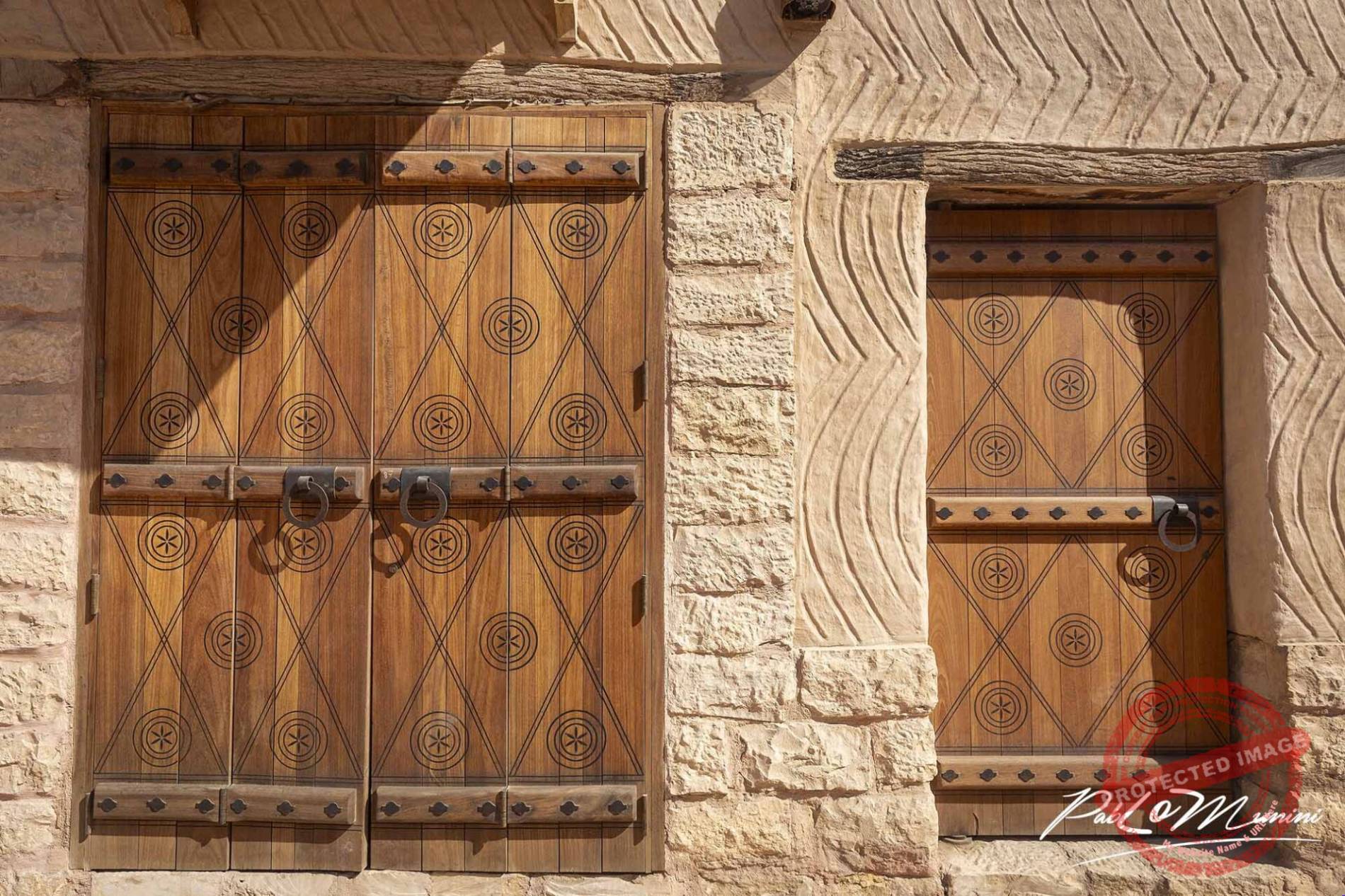
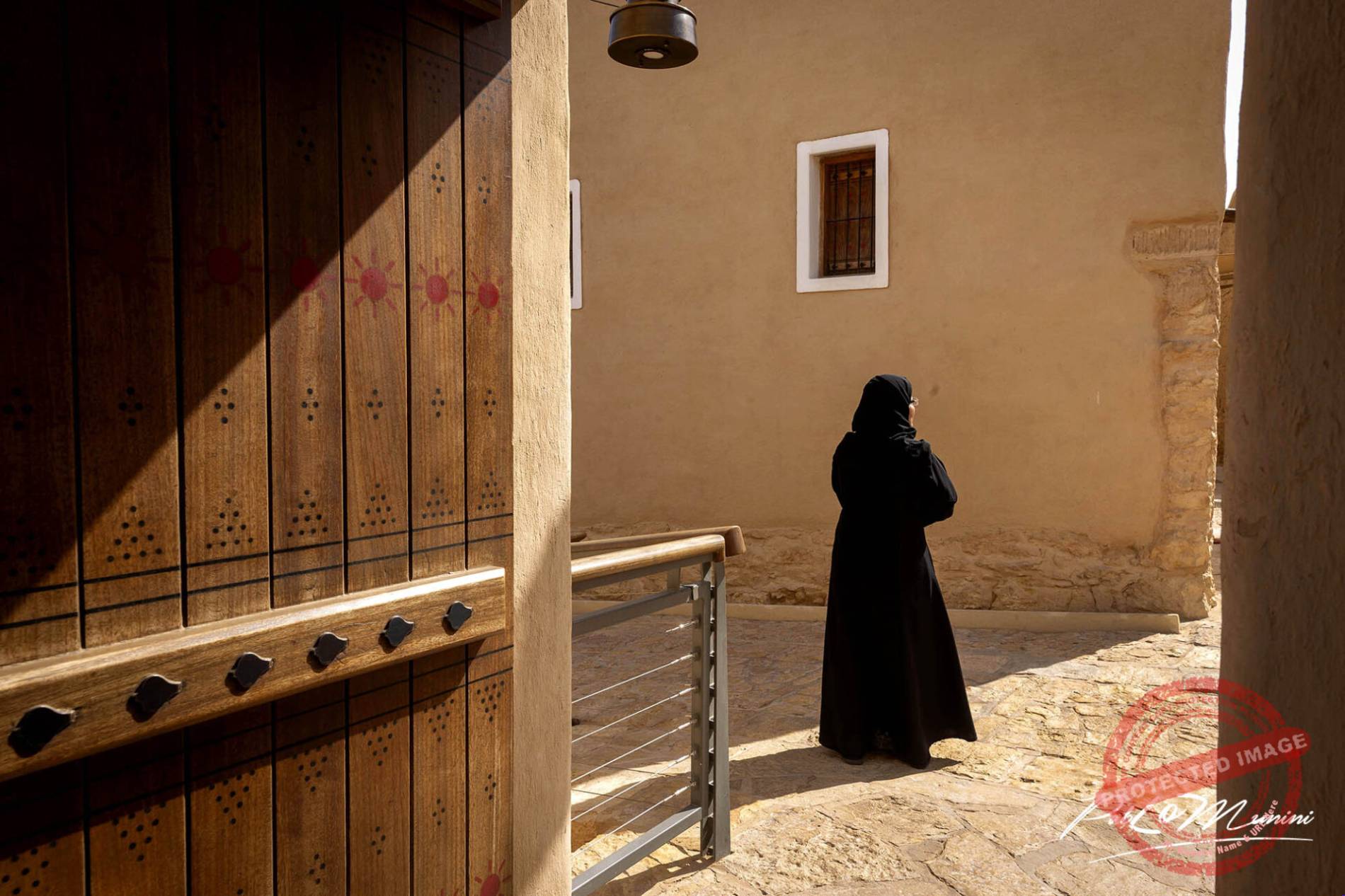
My first stop was Al-Daho, one of those small fragments of the old city that have somehow survived. There, I discovered another Arabia: mud-brick walls, narrow alleyways, shadows, silence, and magnificent Najdi doors, decorated with geometric patterns that seem to guard stories a foreign traveller can only begin to imagine.
Just a short walk away was Deera Square.
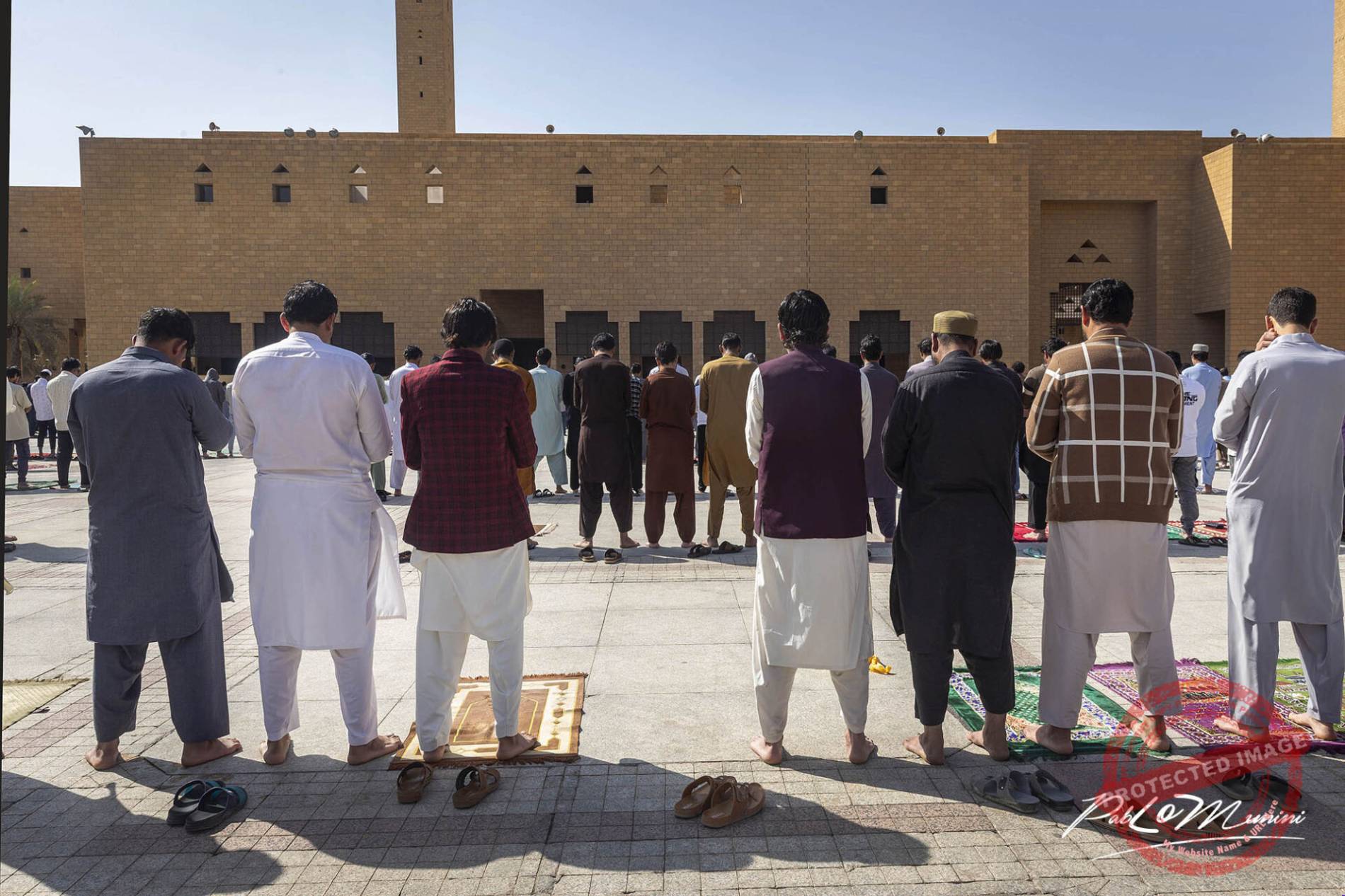
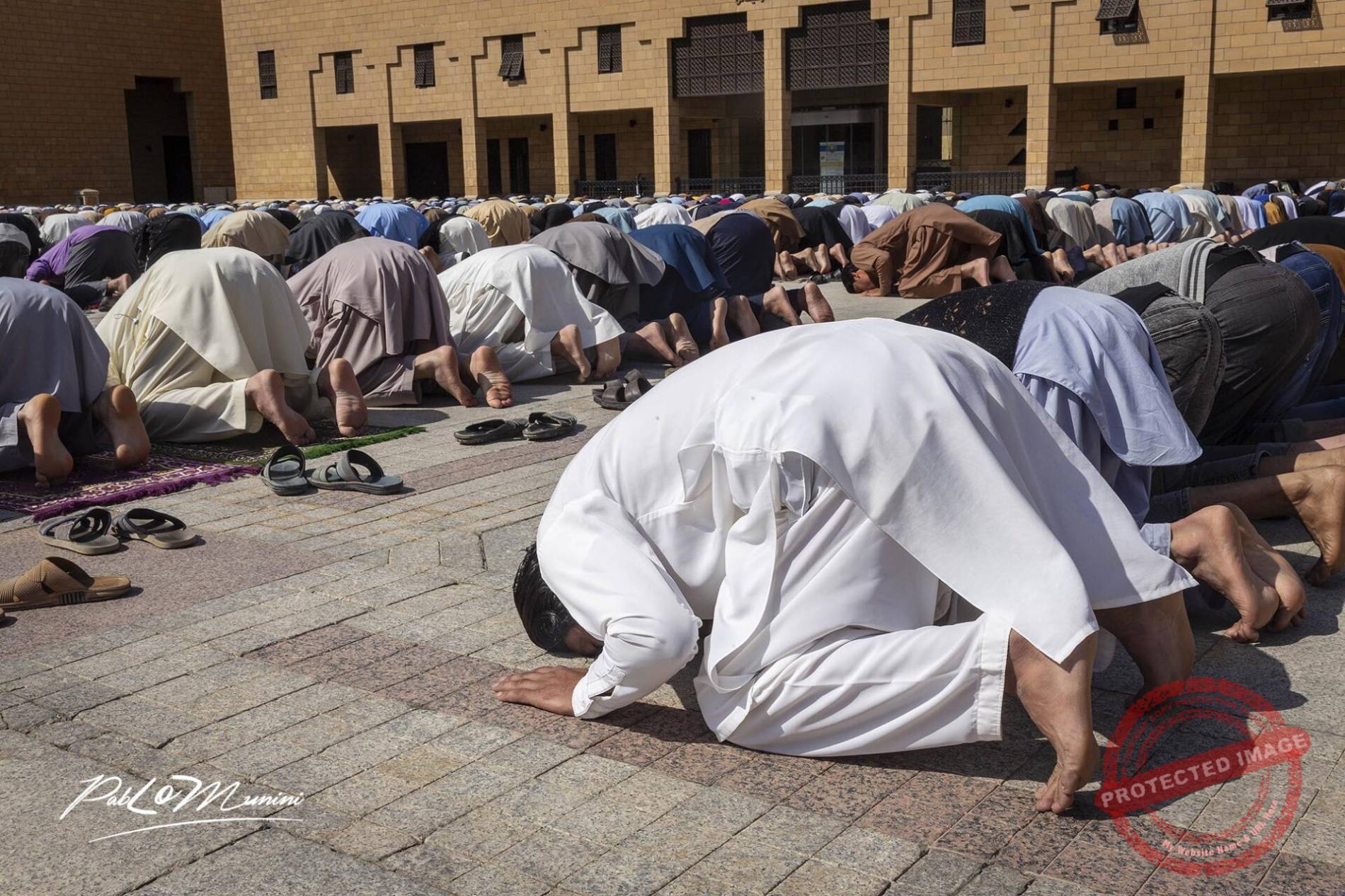
The square carries a past that contrasts starkly with the serenity I found there that morning. For years, it was known in the West as Chop Chop Square, because of the public executions that once took place there.
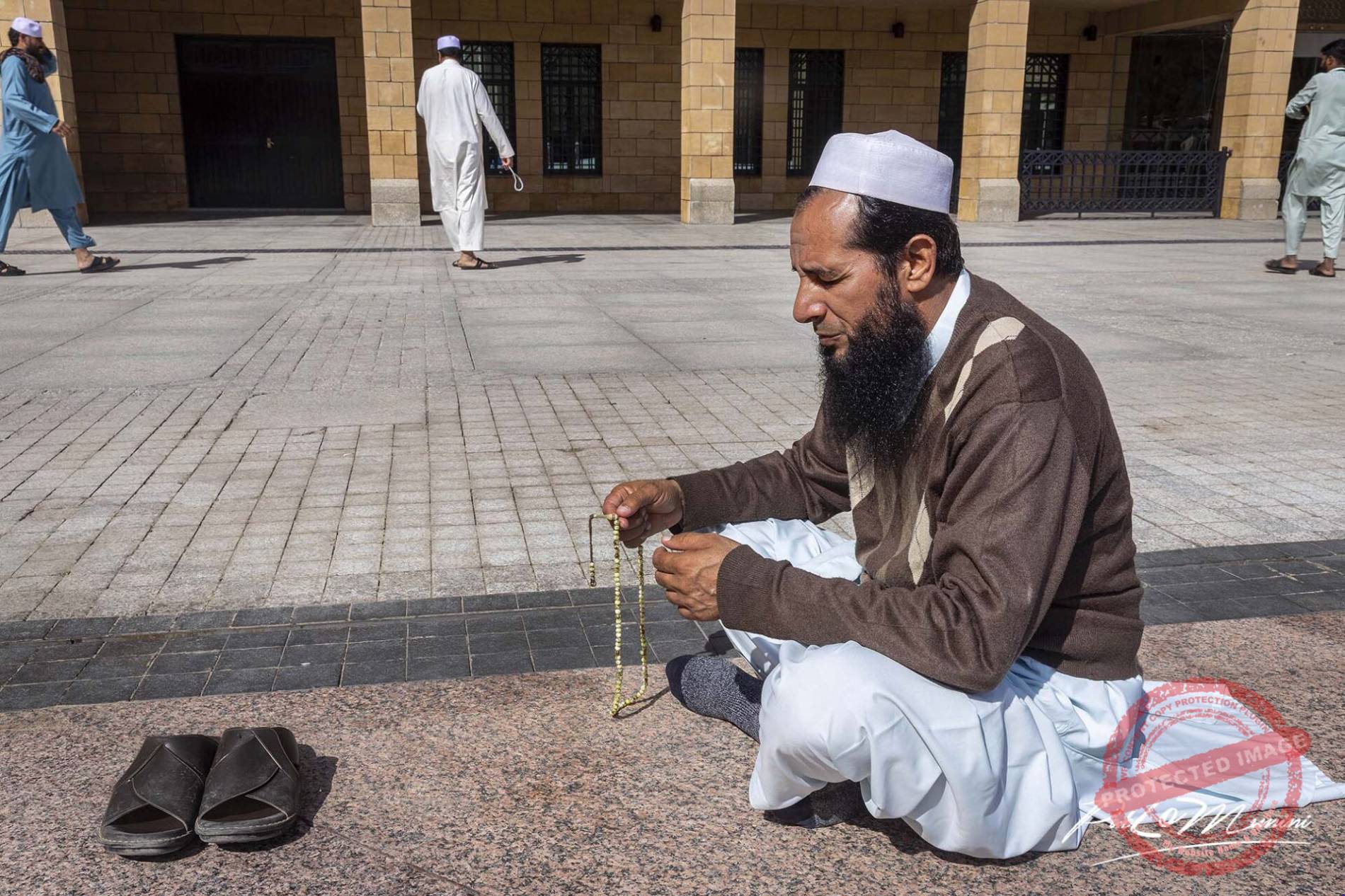
And it was precisely there that the call to prayer caught me by surprise.
Suddenly, I had the feeling that I had crossed an invisible frontier and found myself very far from my familiar world.
I was carrying a still camera and a video camera and, for the first time, I did not know what to do with them. Should I put everything away? Should I keep filming? Could it be considered disrespectful?
I tried to make myself invisible.
But exactly the opposite happened.
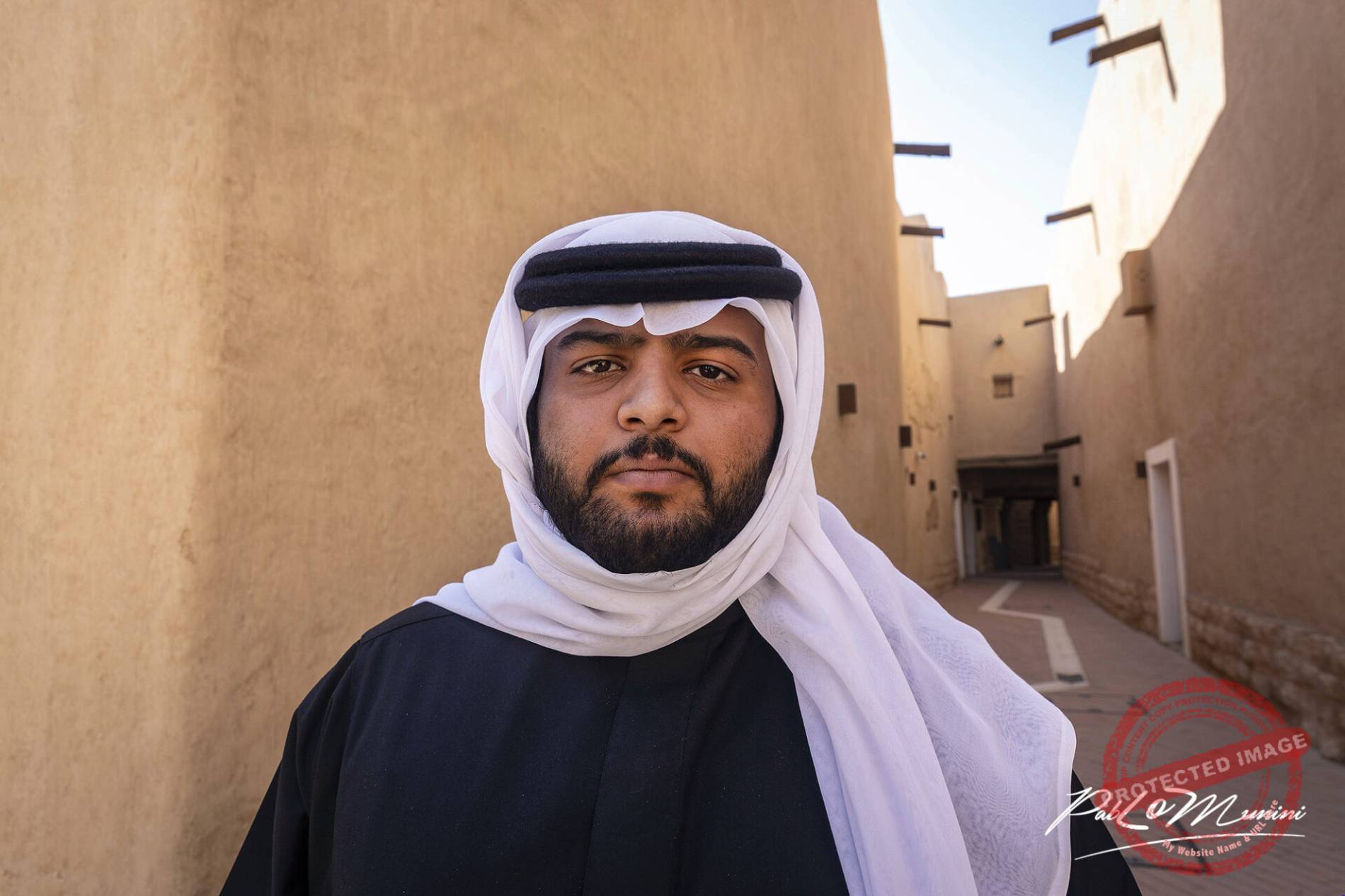
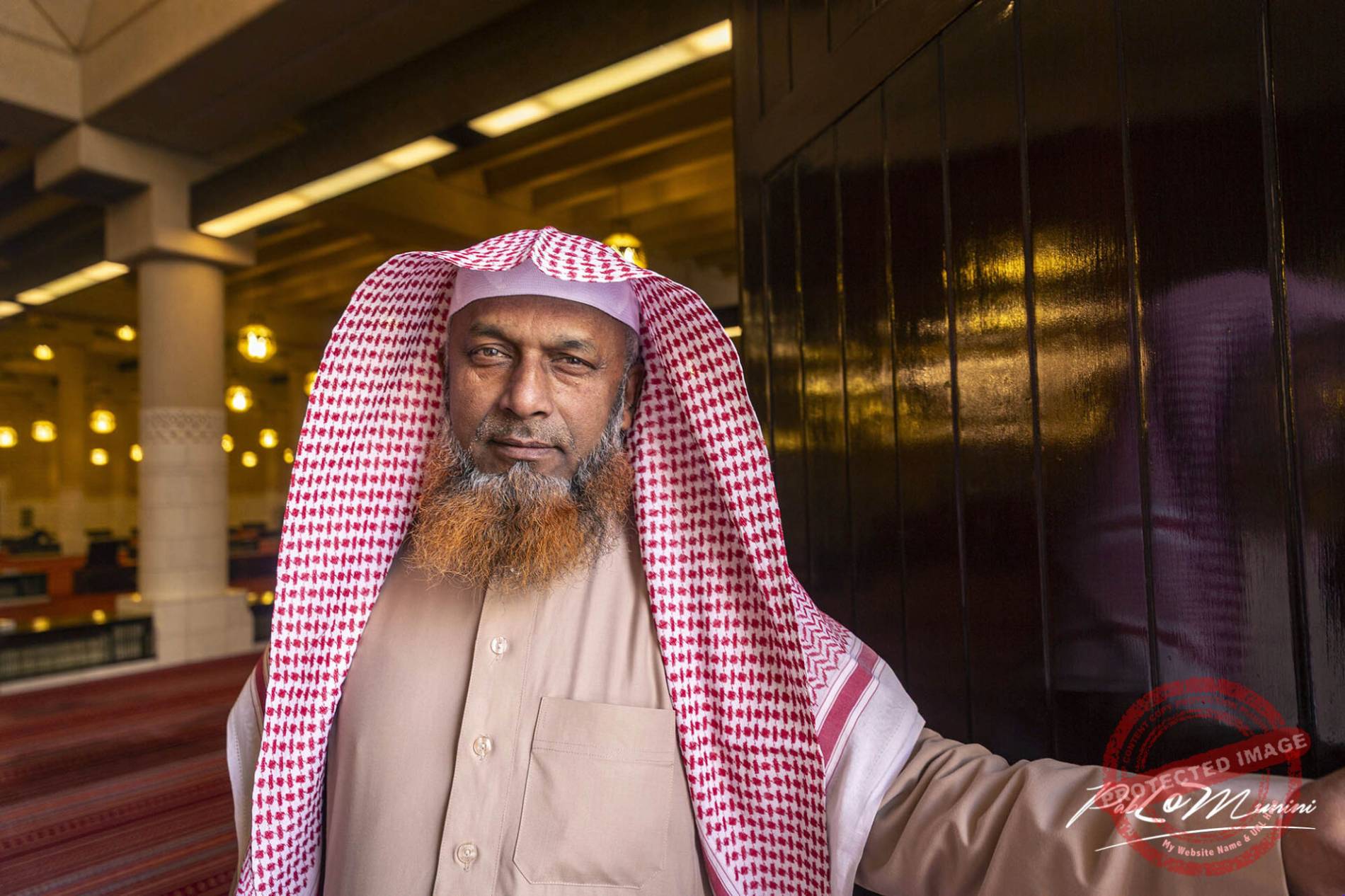
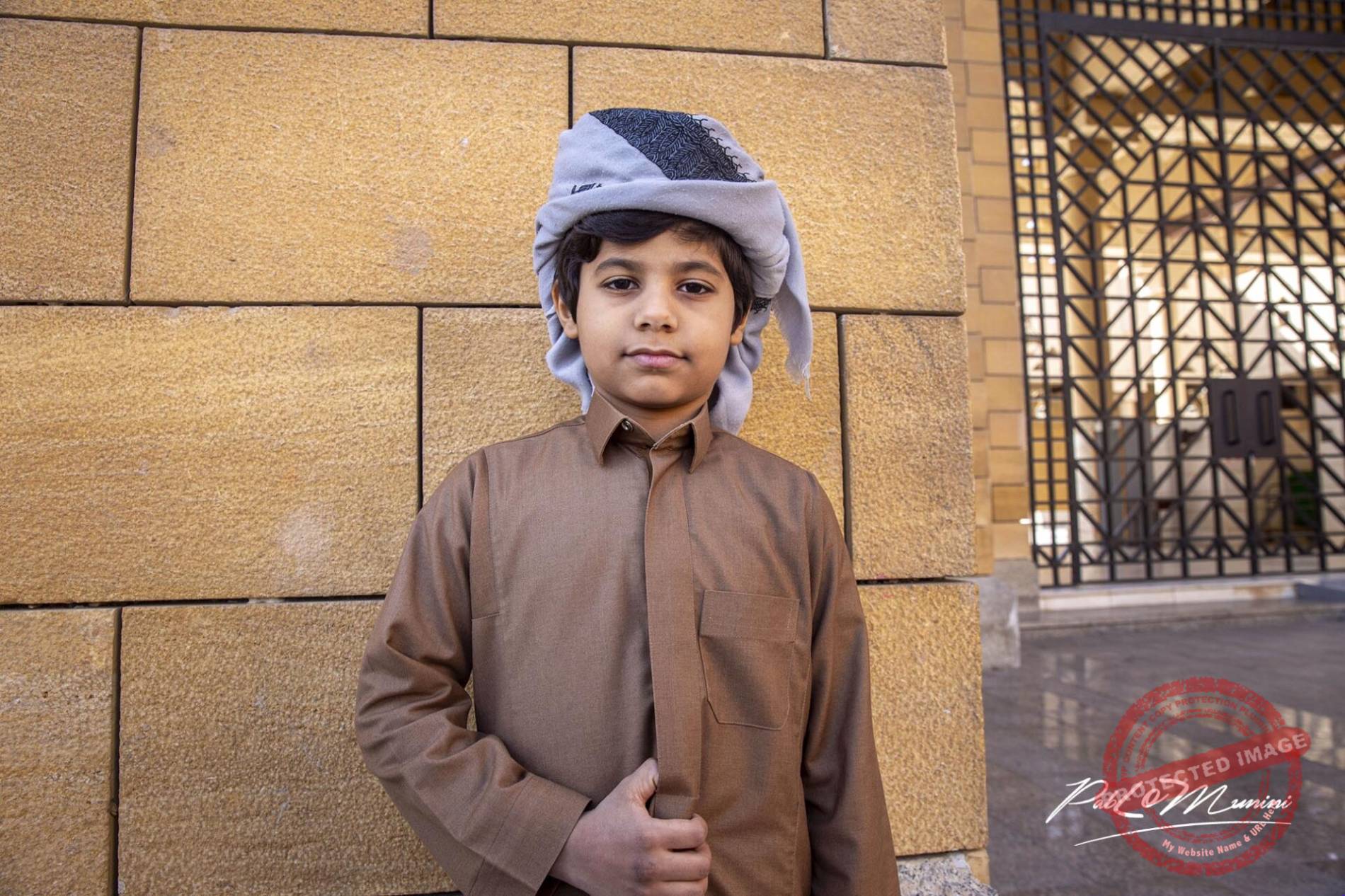
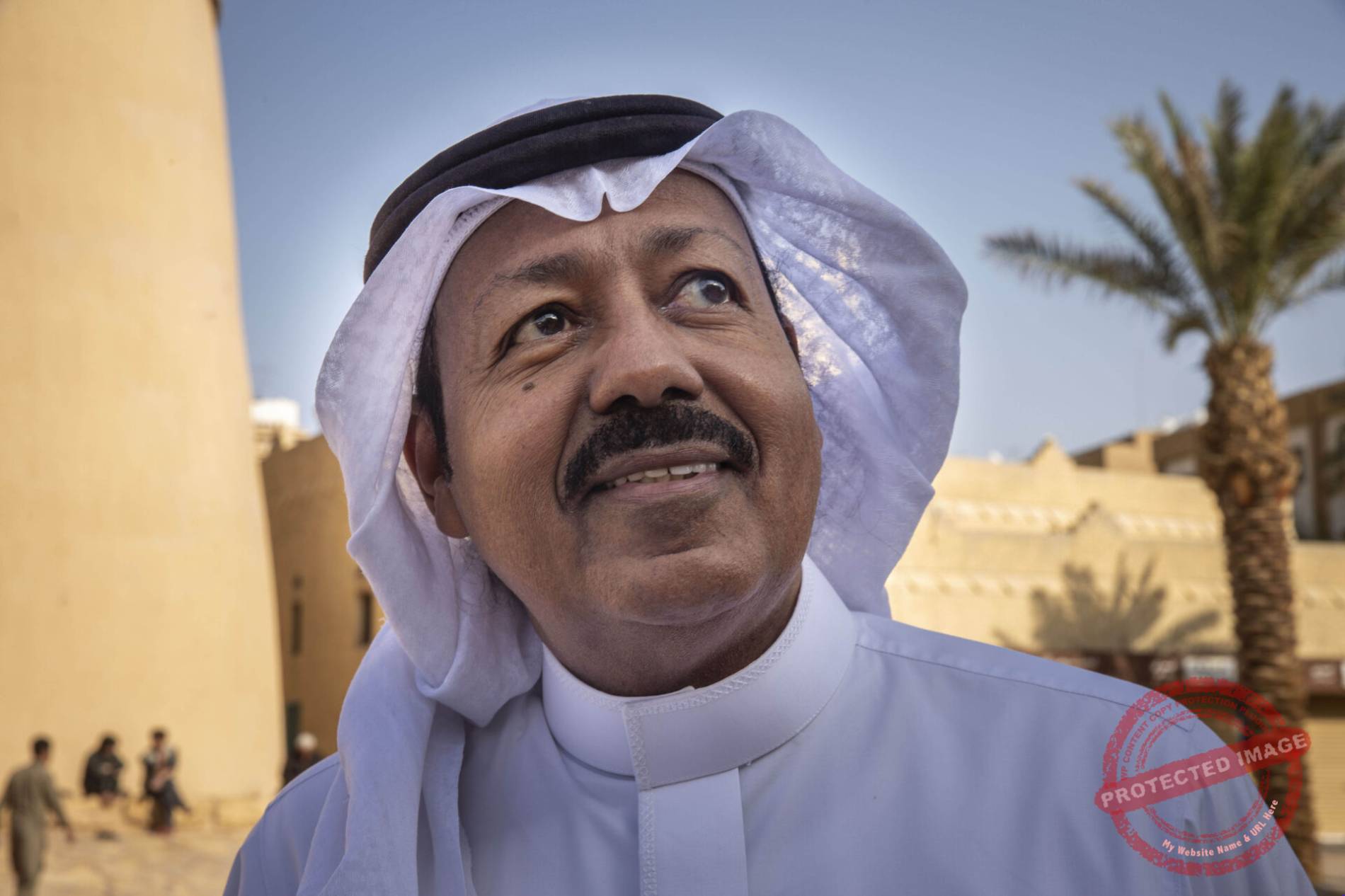
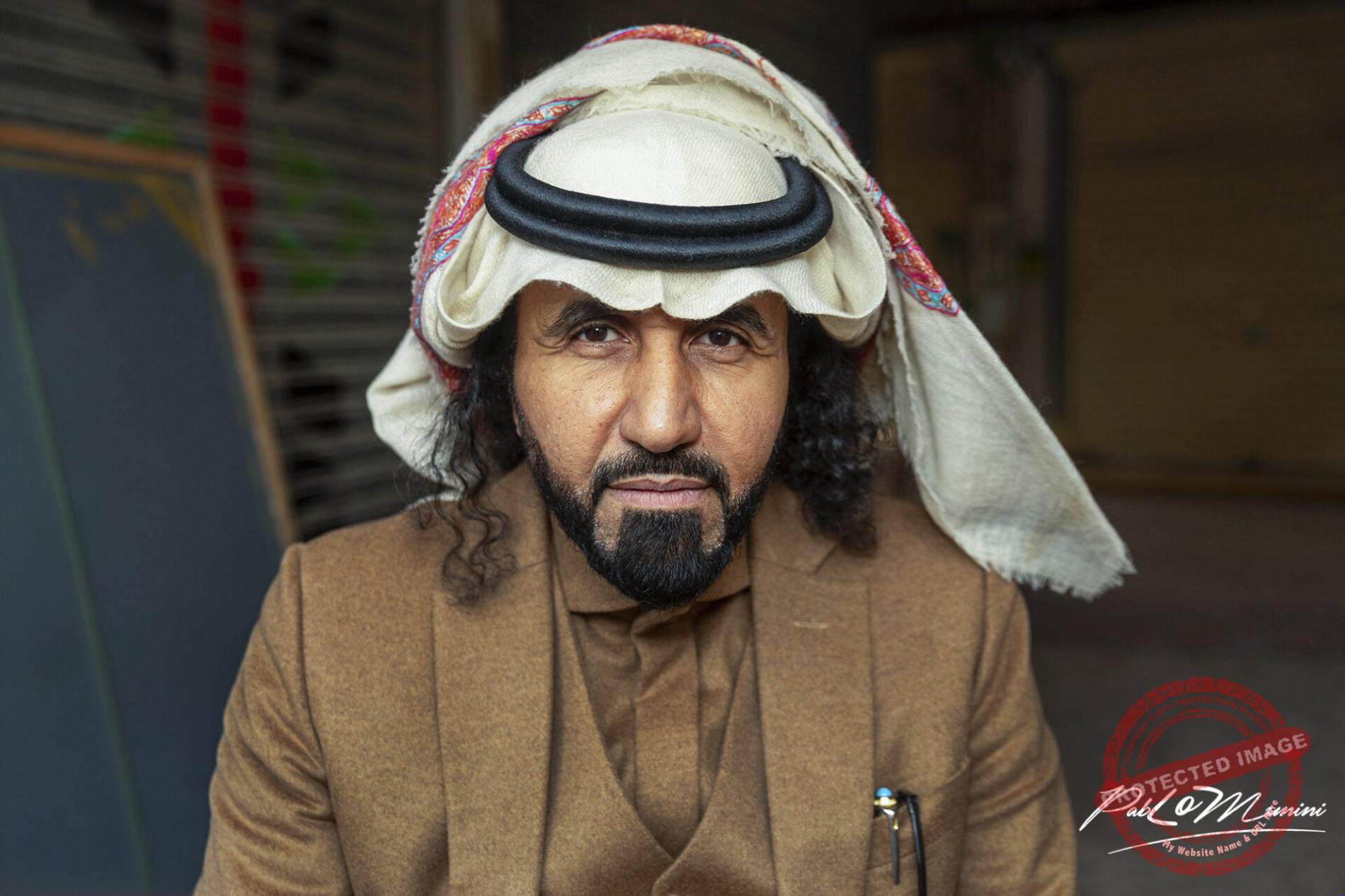
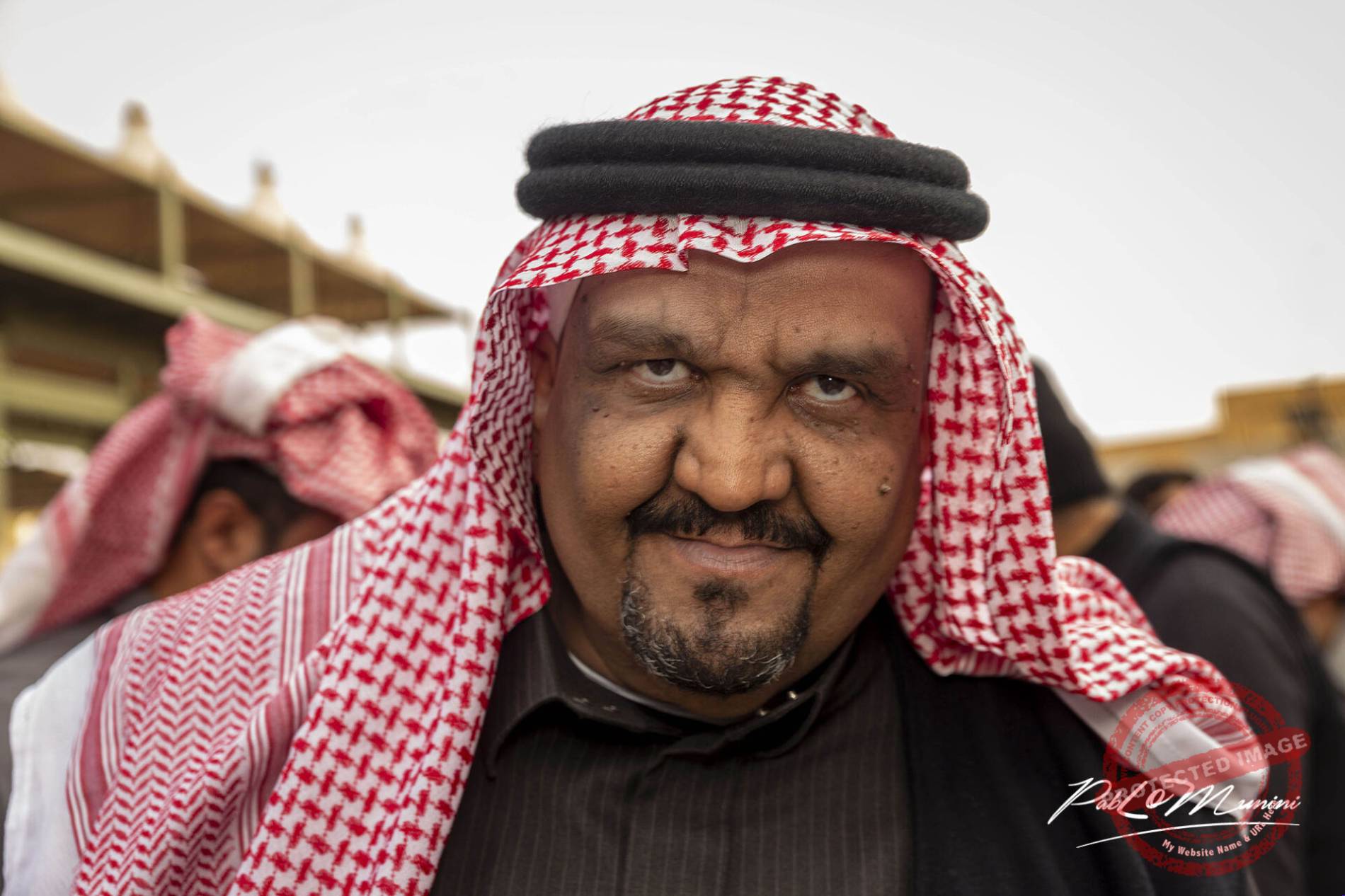
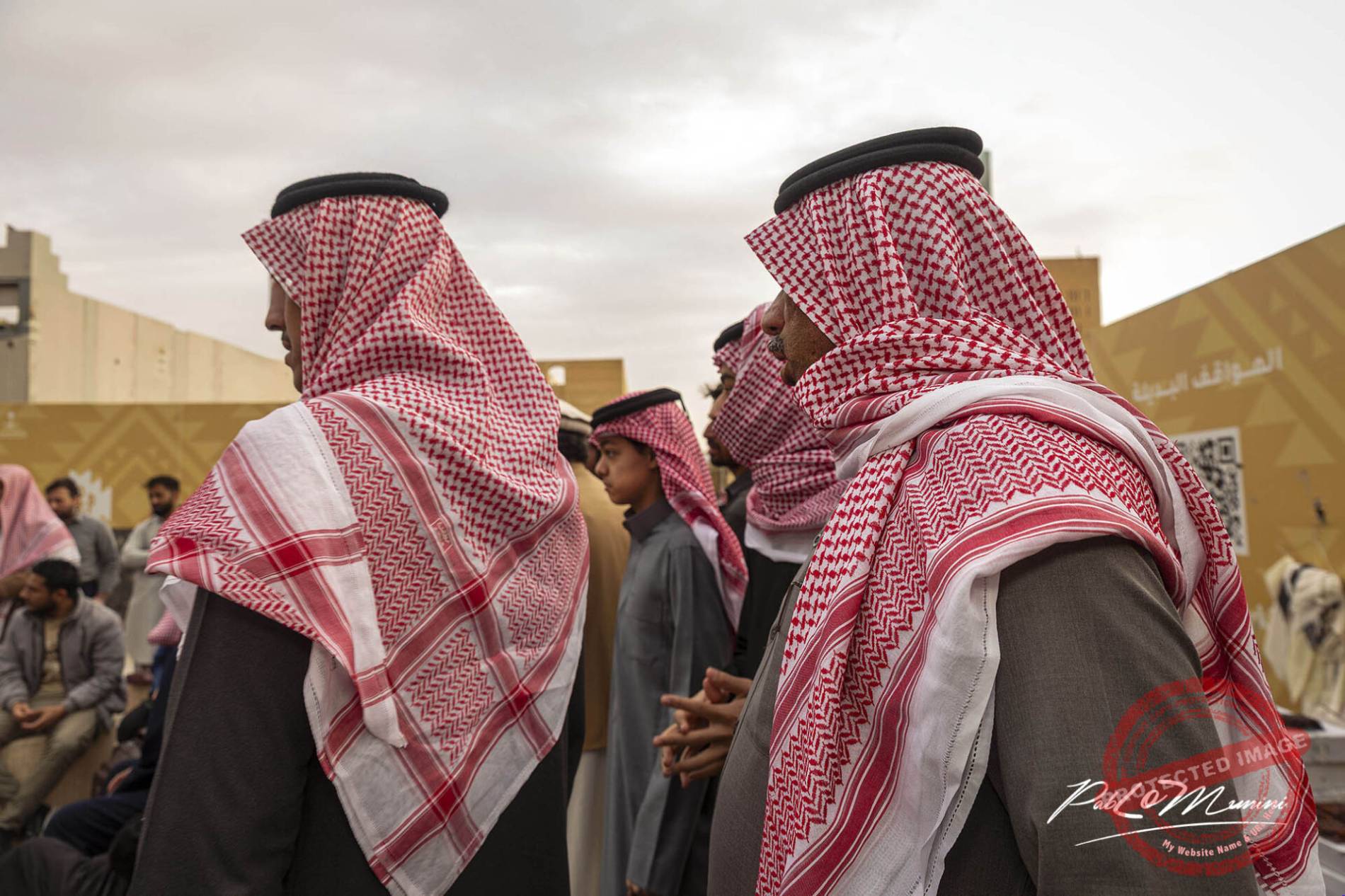
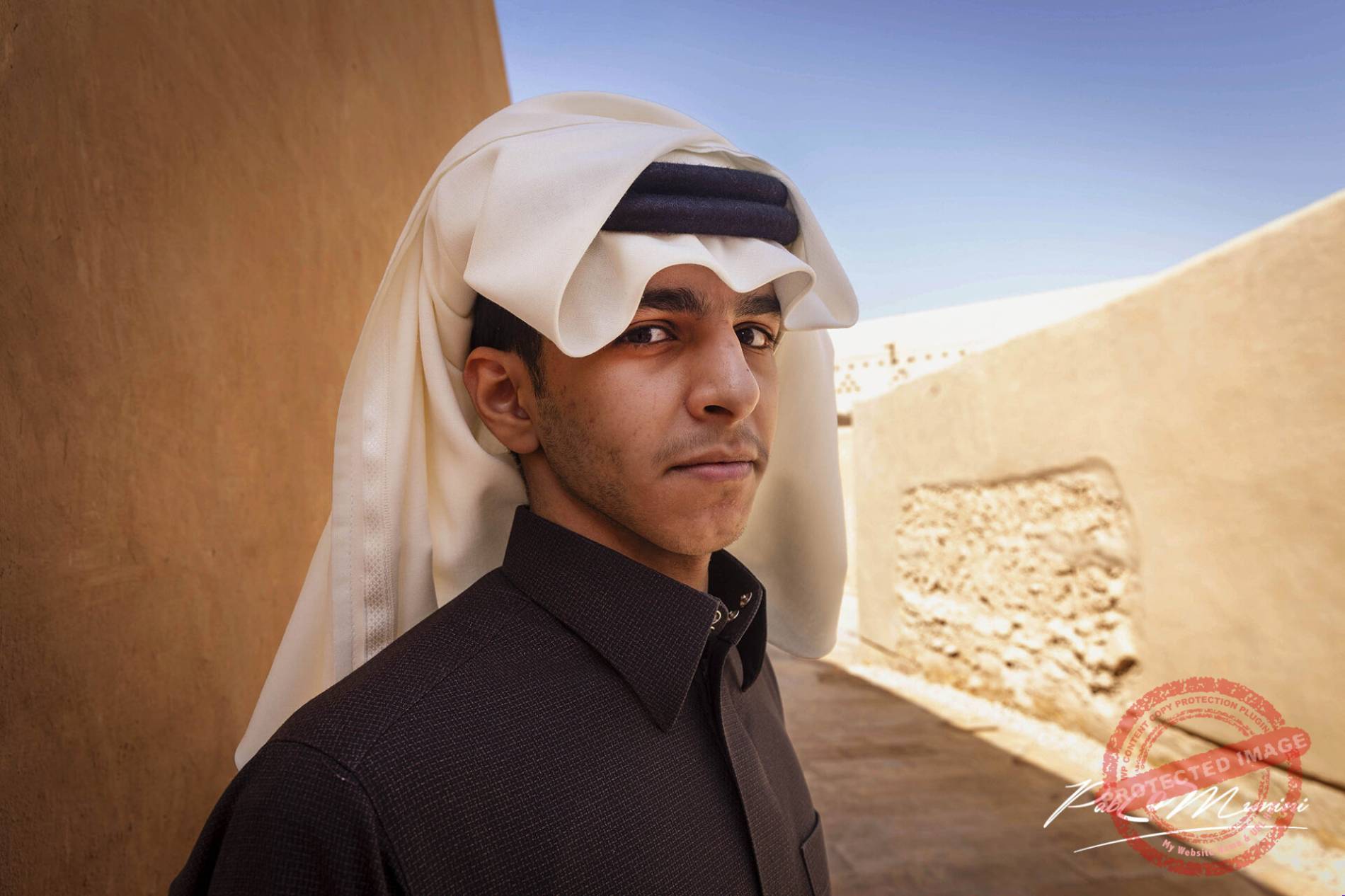
Some people noticed my camera, looked at me, and smiled. Others began posing in front of the lens with a spontaneity and pride I had not expected. When the prayer ended, the foreigner who, only minutes earlier, had been trying to disappear into the background unexpectedly became the centre of attention: everyone wanted to be photographed, and some even invited me to join them for a selfie.
Within minutes, all my apprehension had vanished.
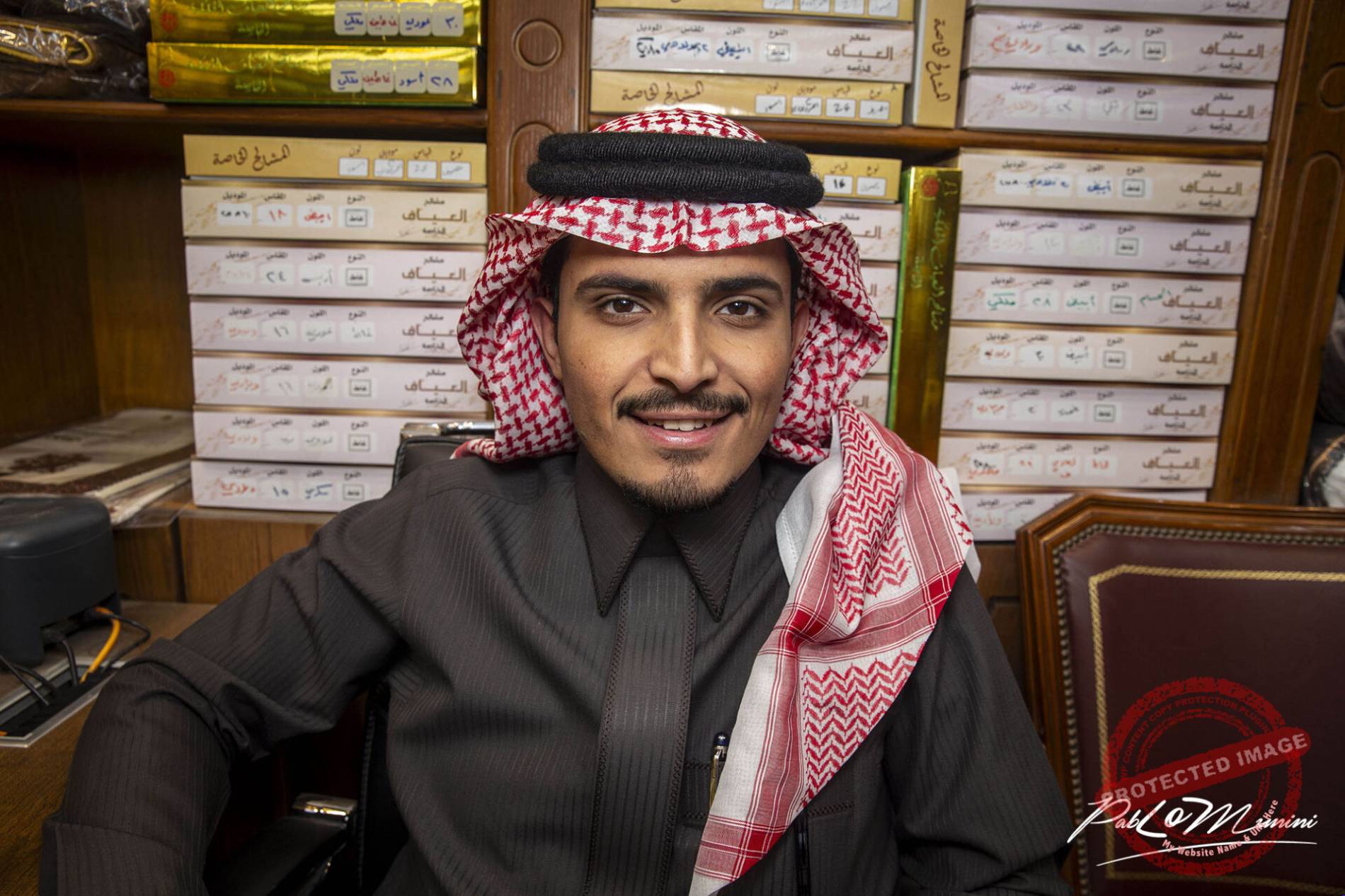
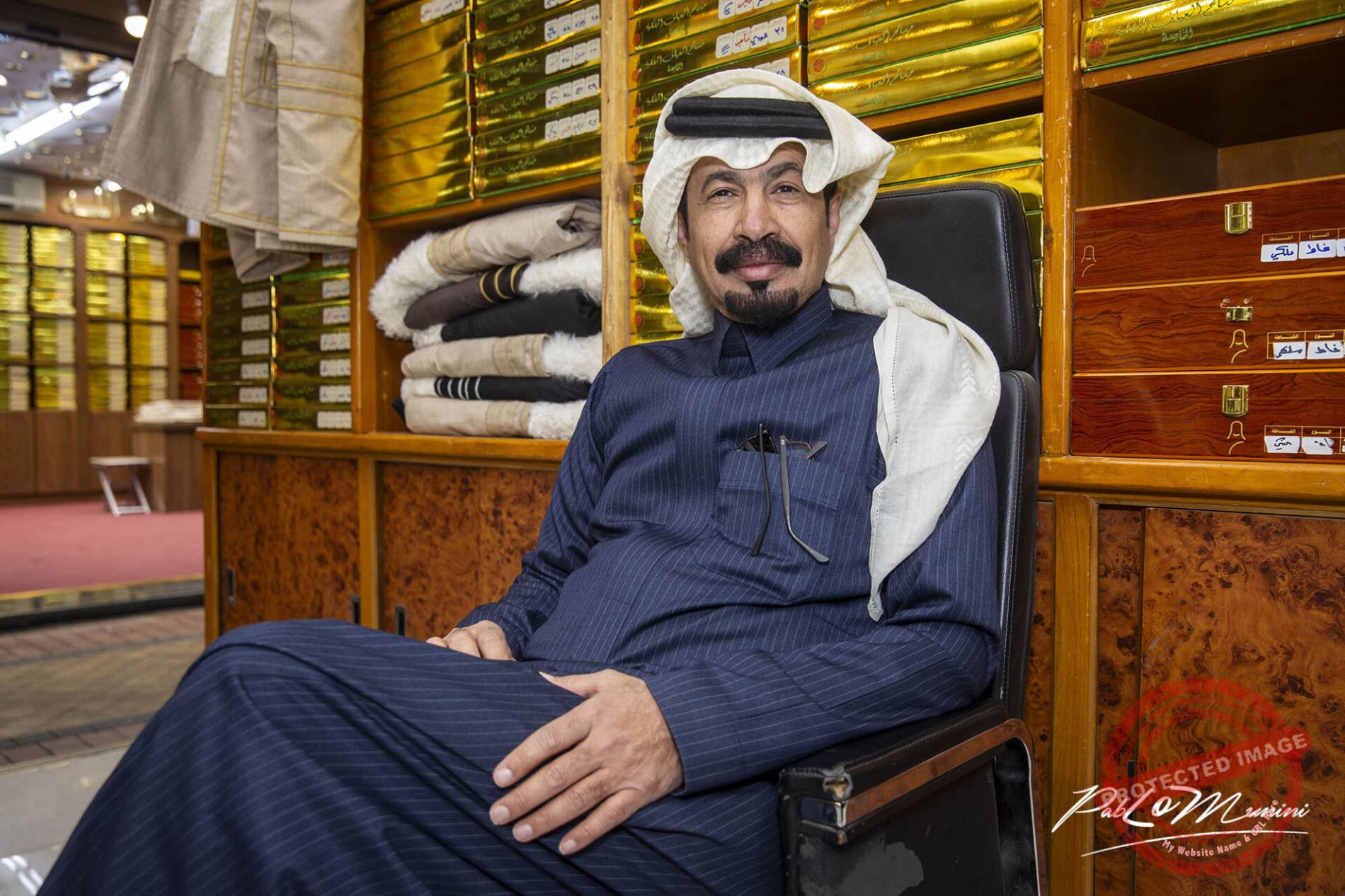
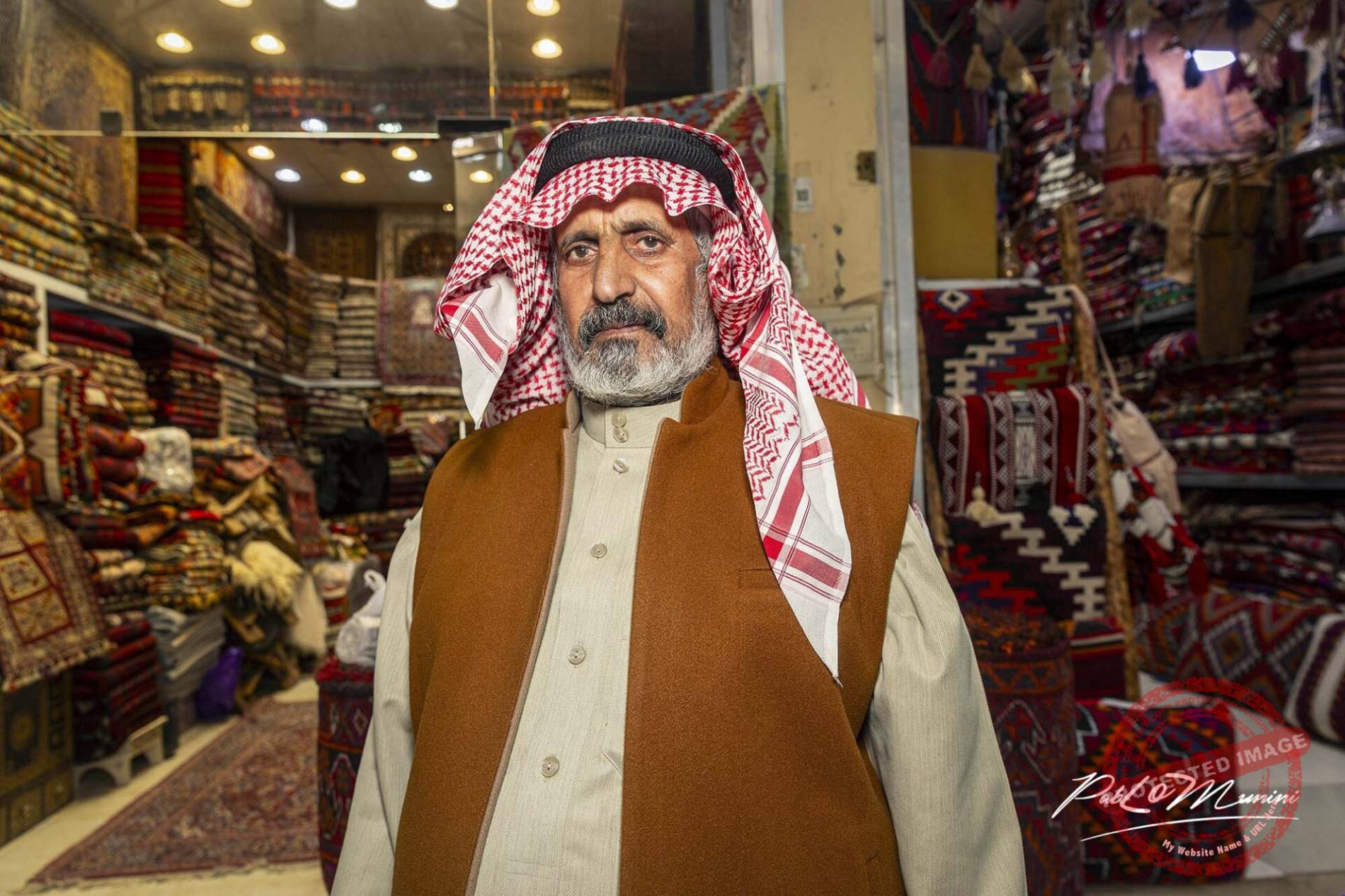
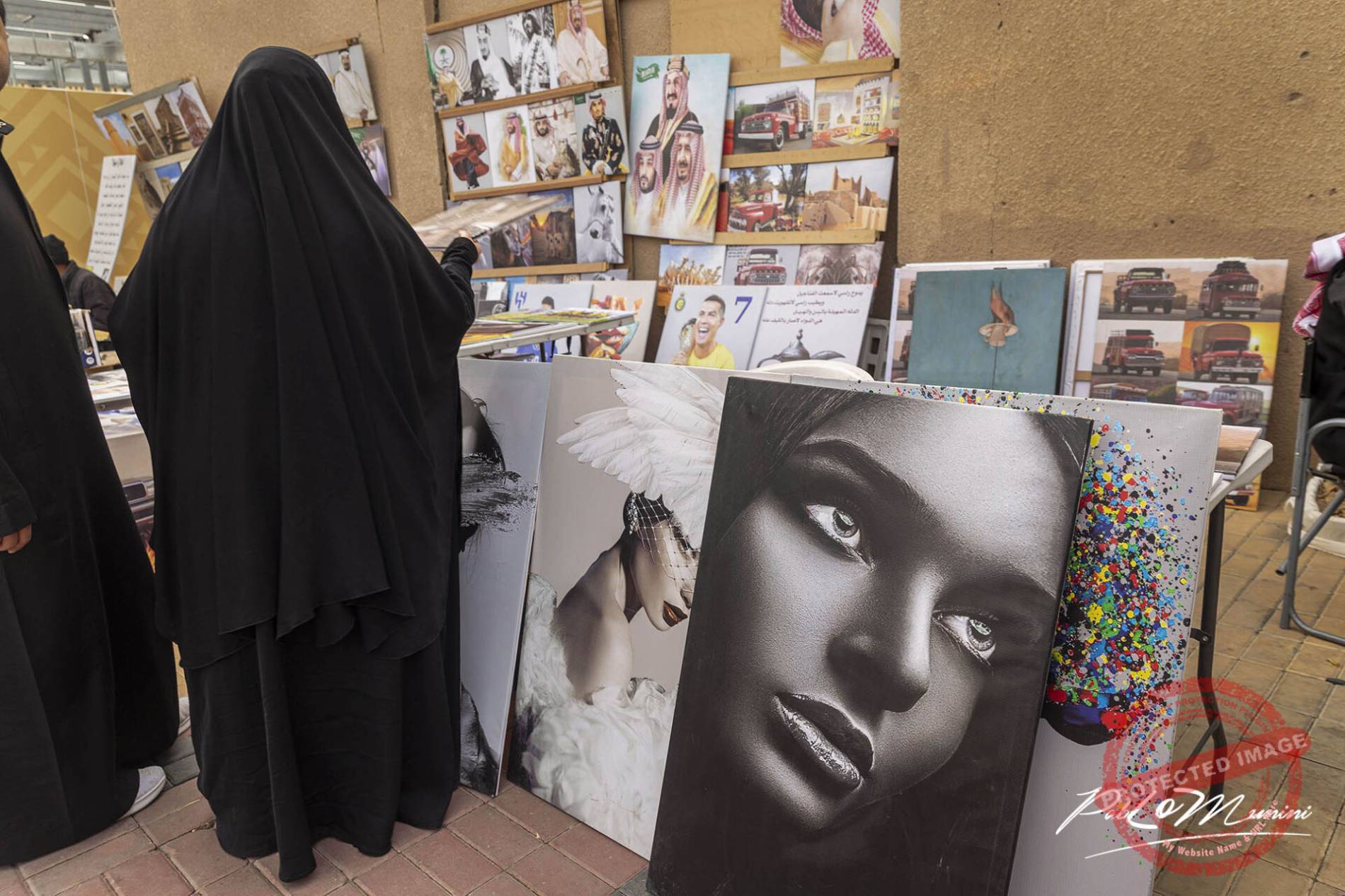
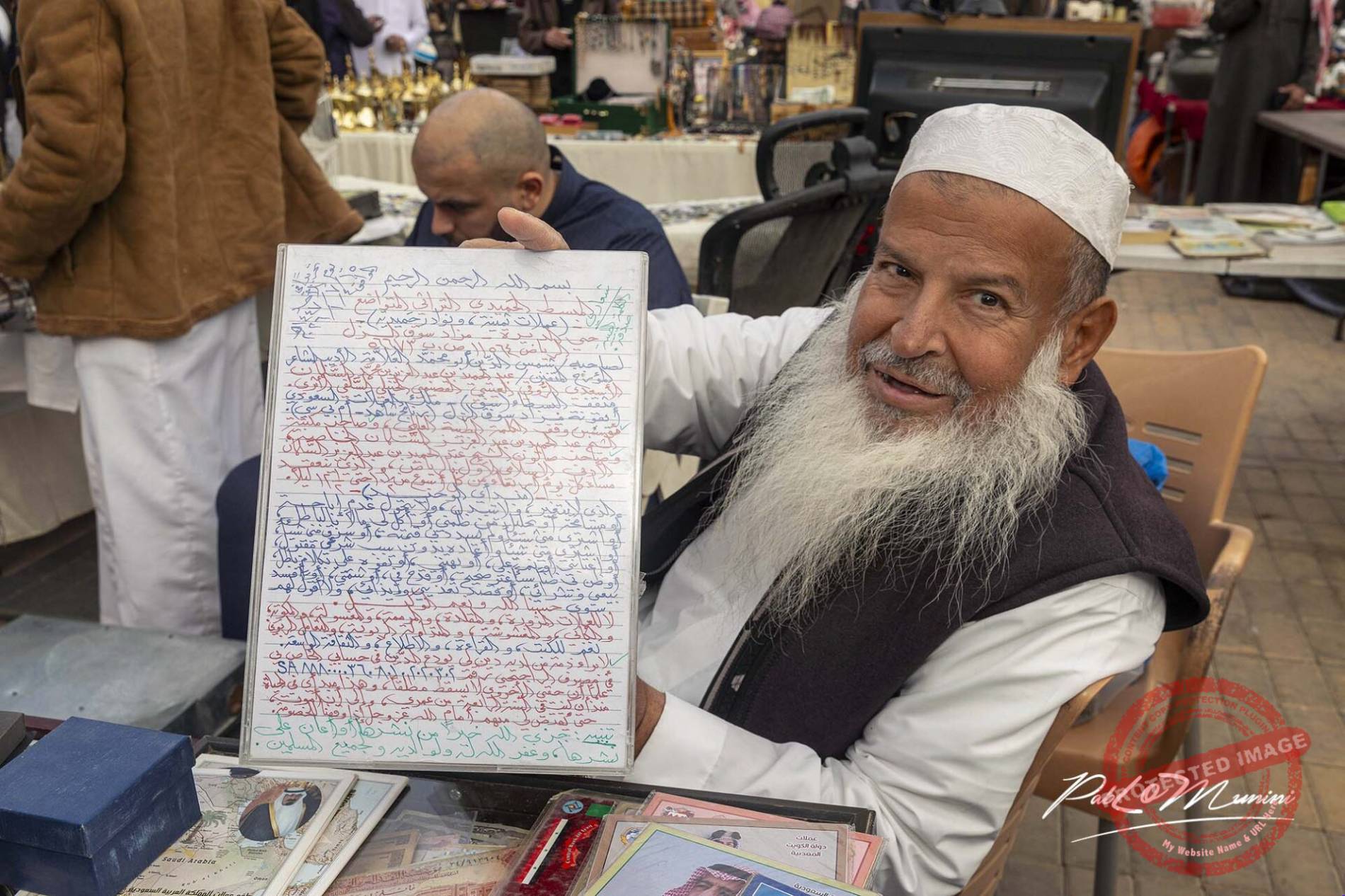
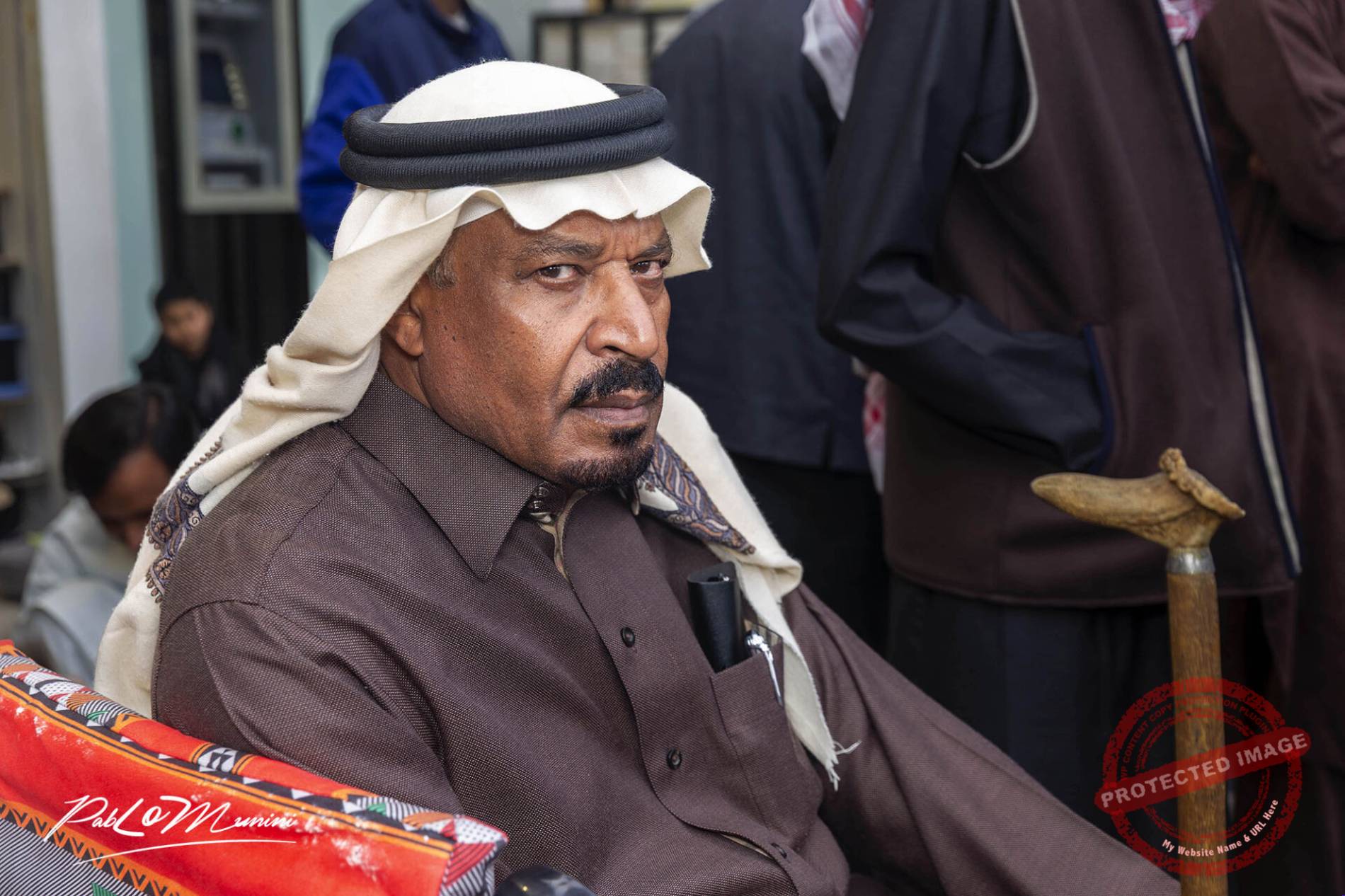
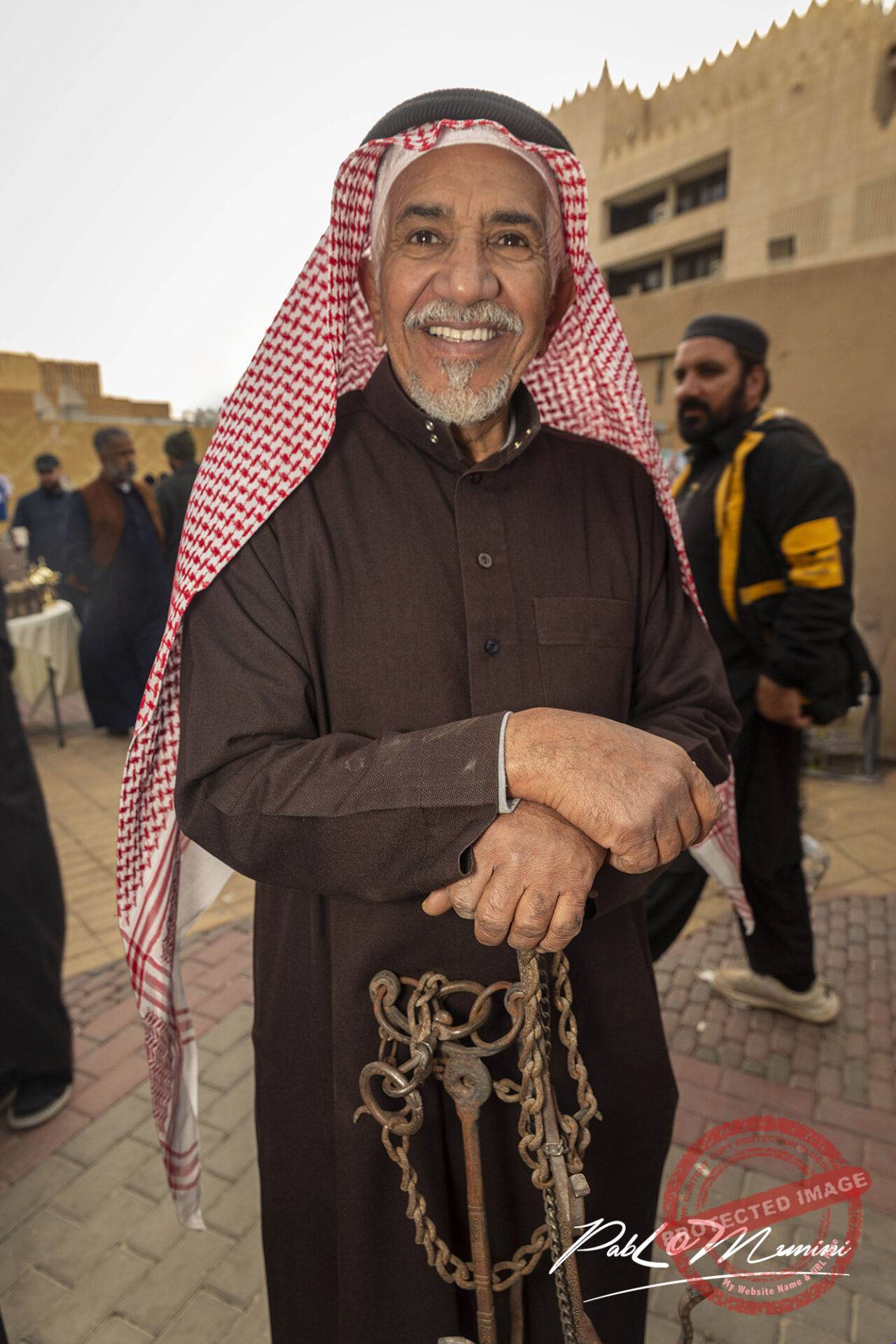
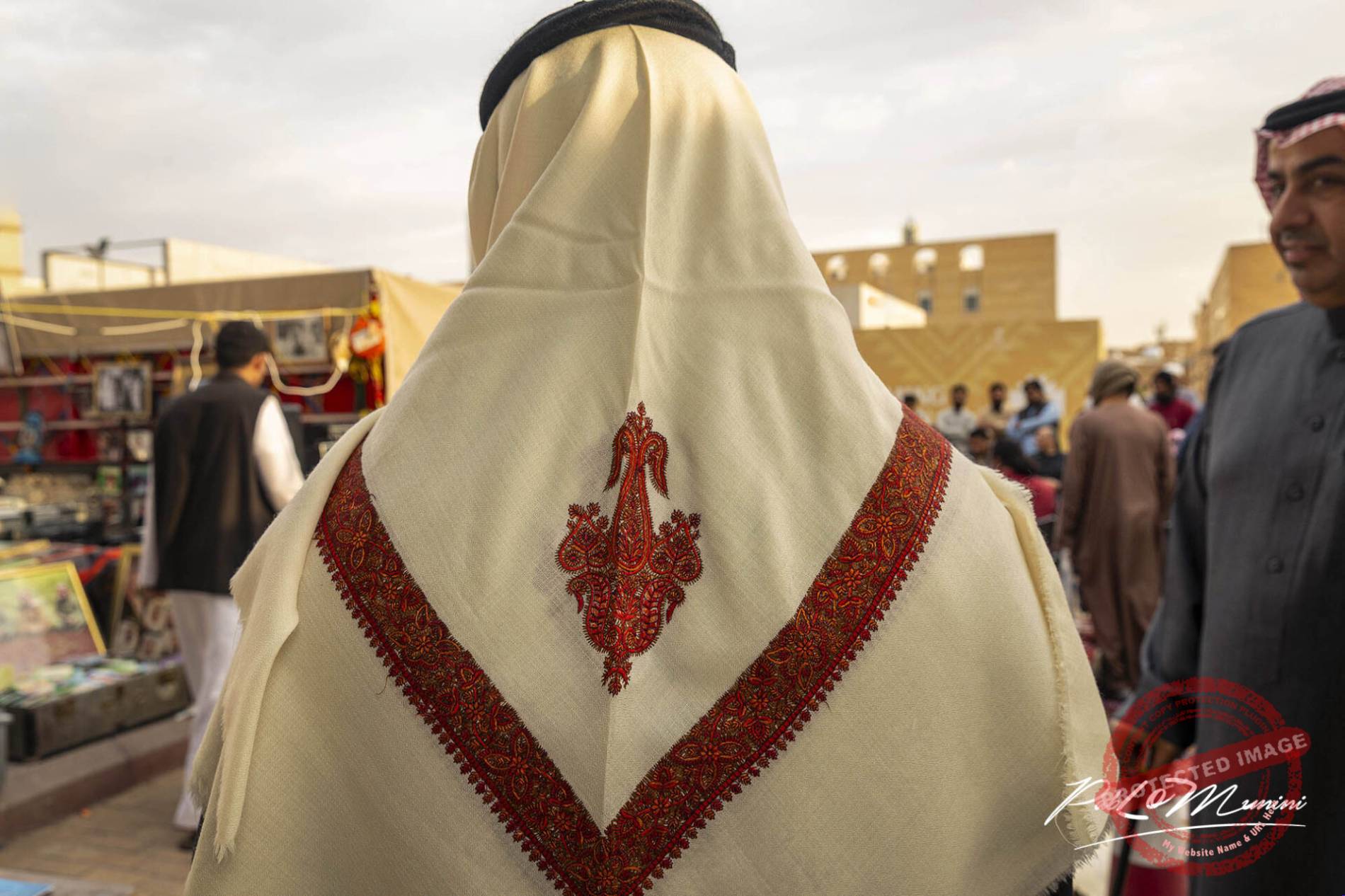
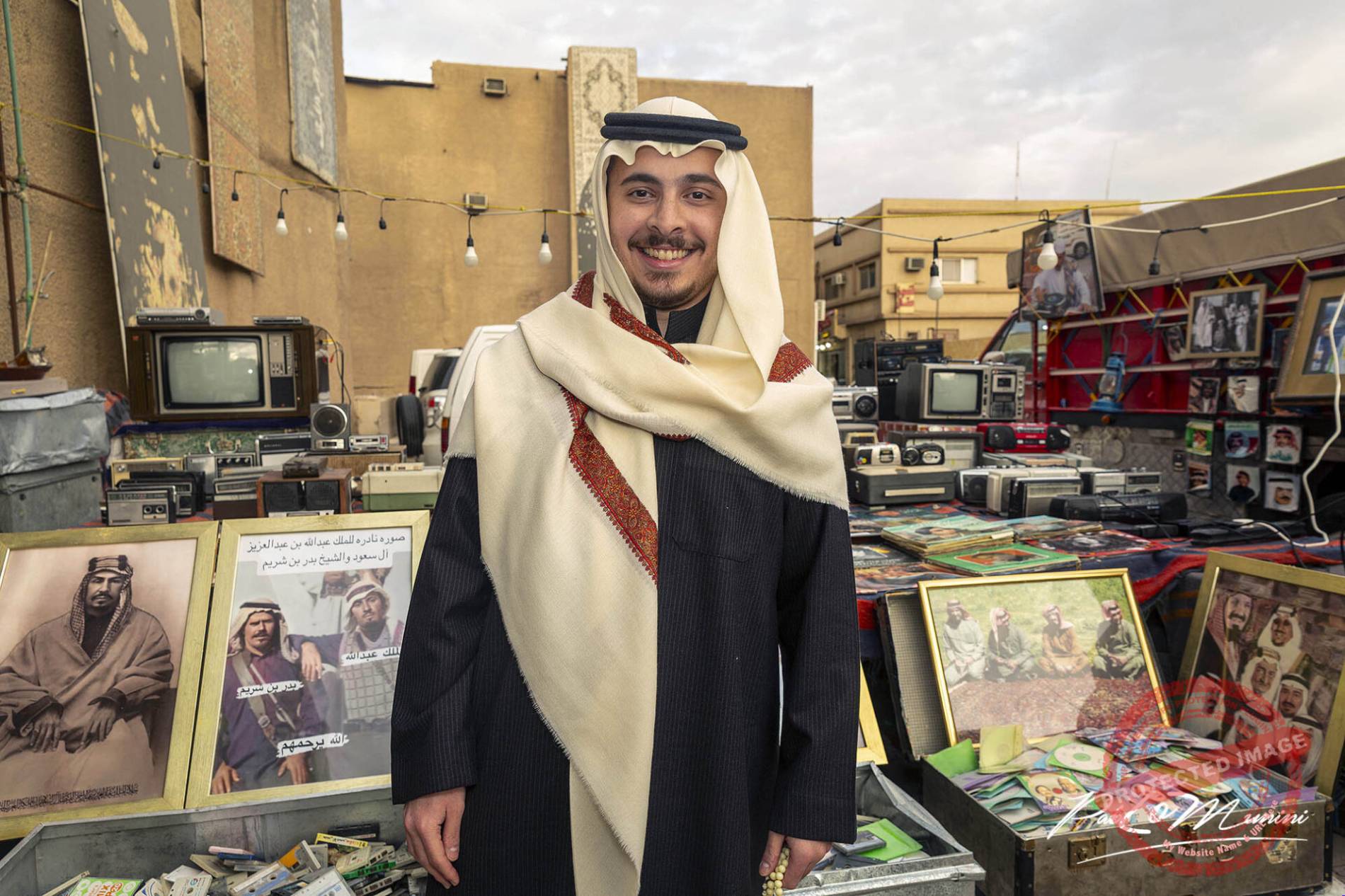
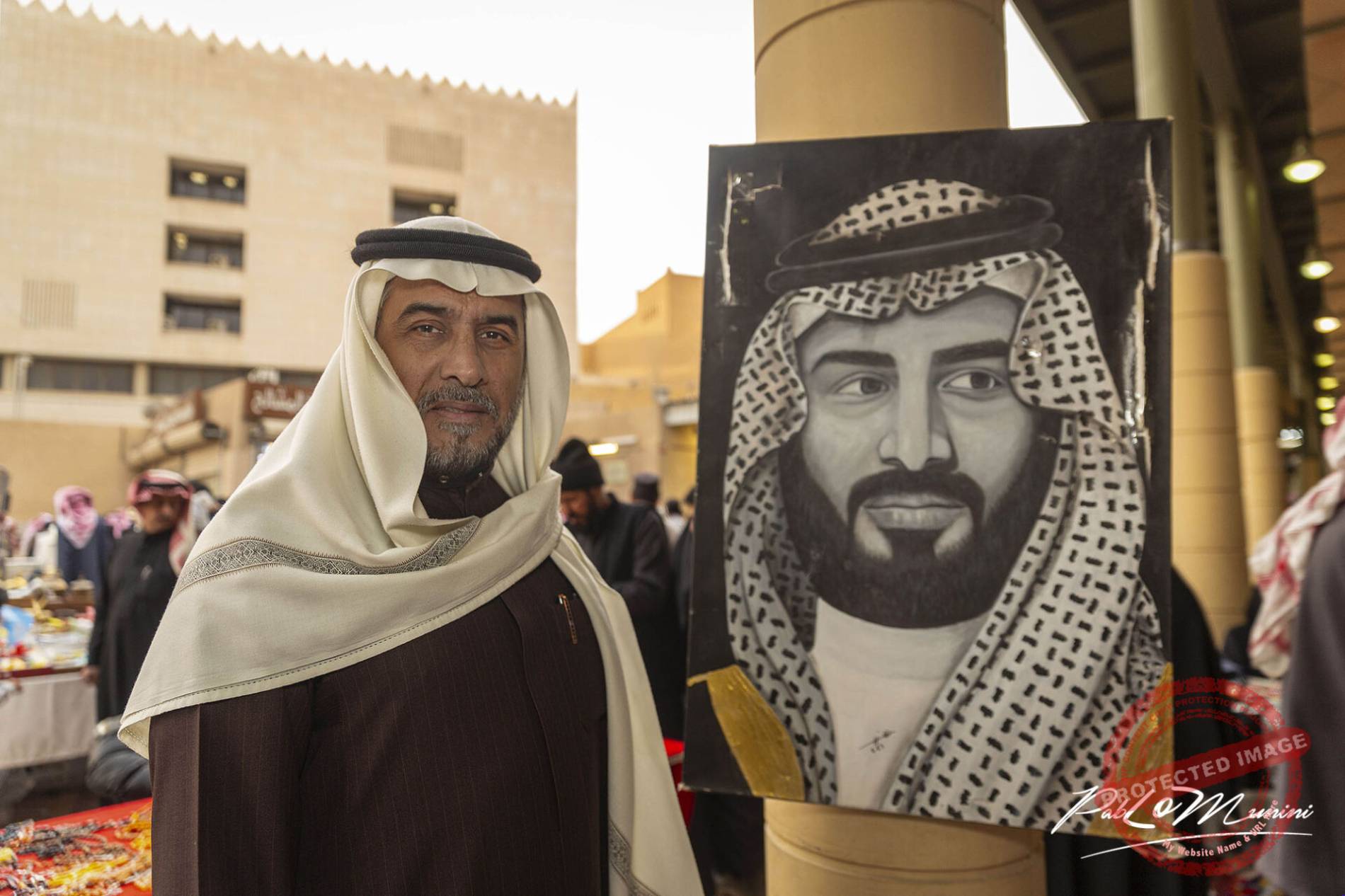
And then came Souq Al Zal.
Once again, Riyadh changed its face.
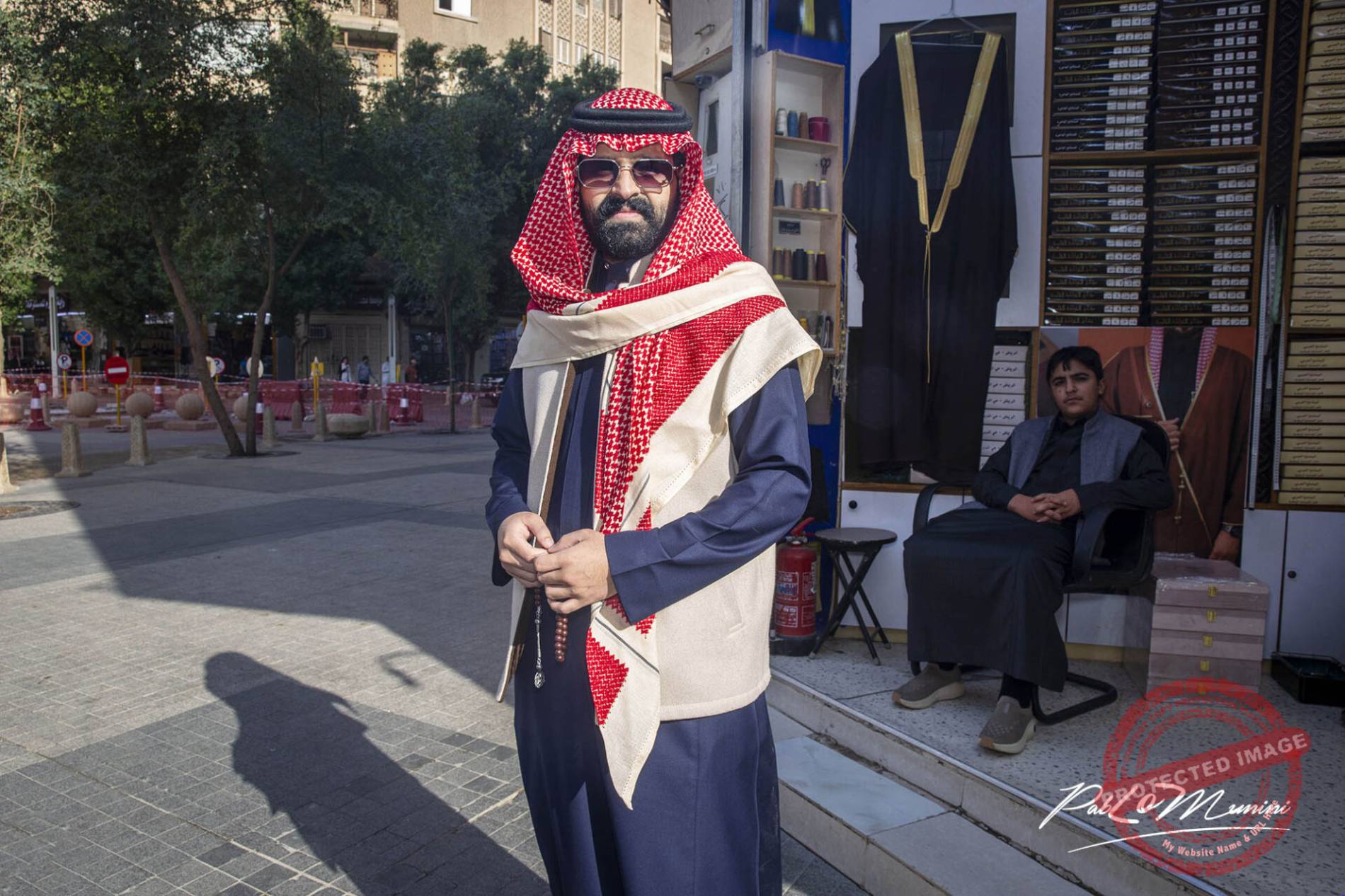
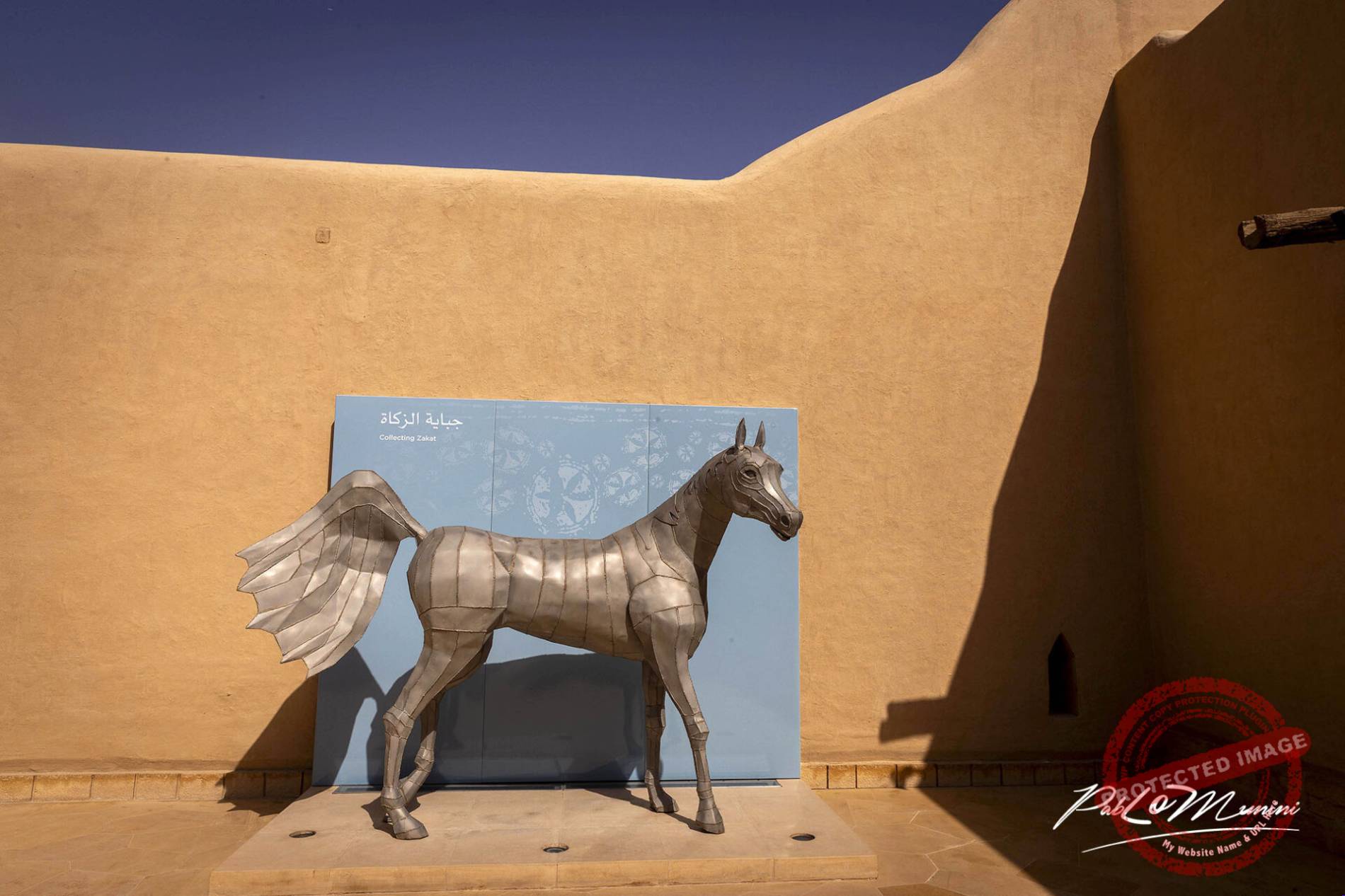
The market was beginning to fill with voices, merchants, and shoppers, amid carpets, perfumes, incense, antiques, and fabrics. For a moment, every trace of the modern world seemed to fade away. Among those stalls, it was easy to let the imagination wander and conjure up caravans, Bedouins, and merchants who, generation after generation, had come here to buy, sell, exchange, and bargain.
But the following day, I climbed back into a car, and another Riyadh appeared before my eyes.
An almost improbable city.
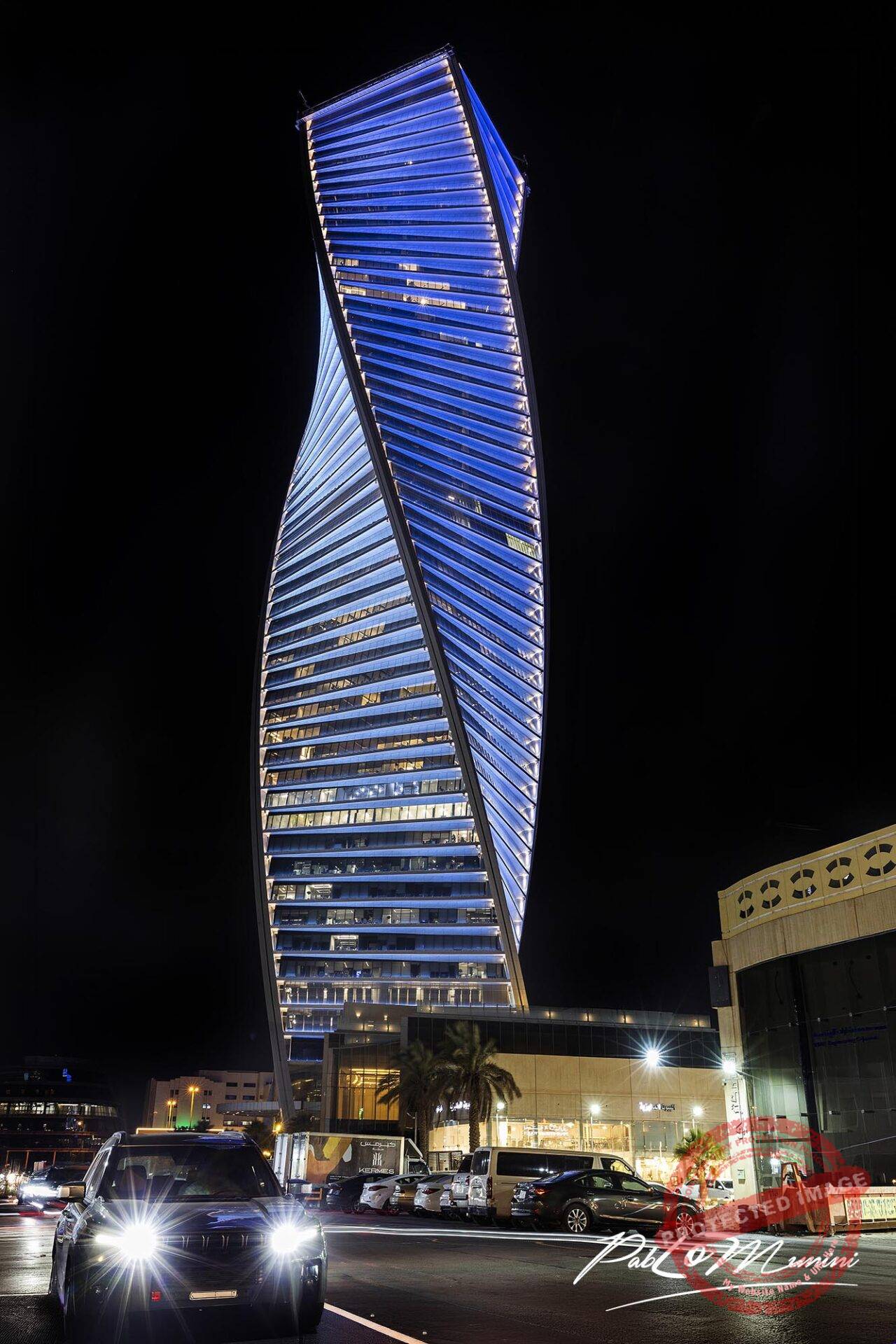
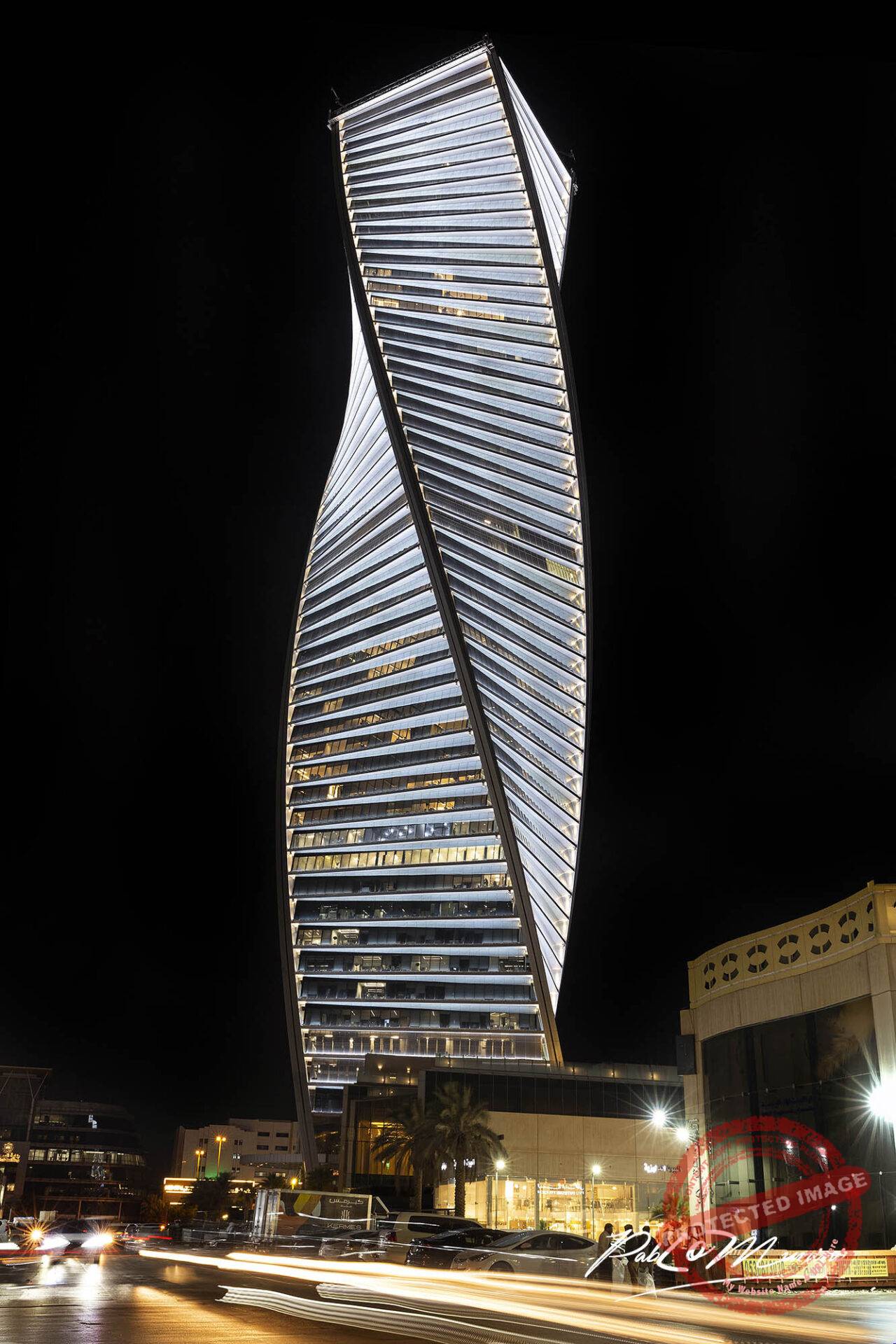
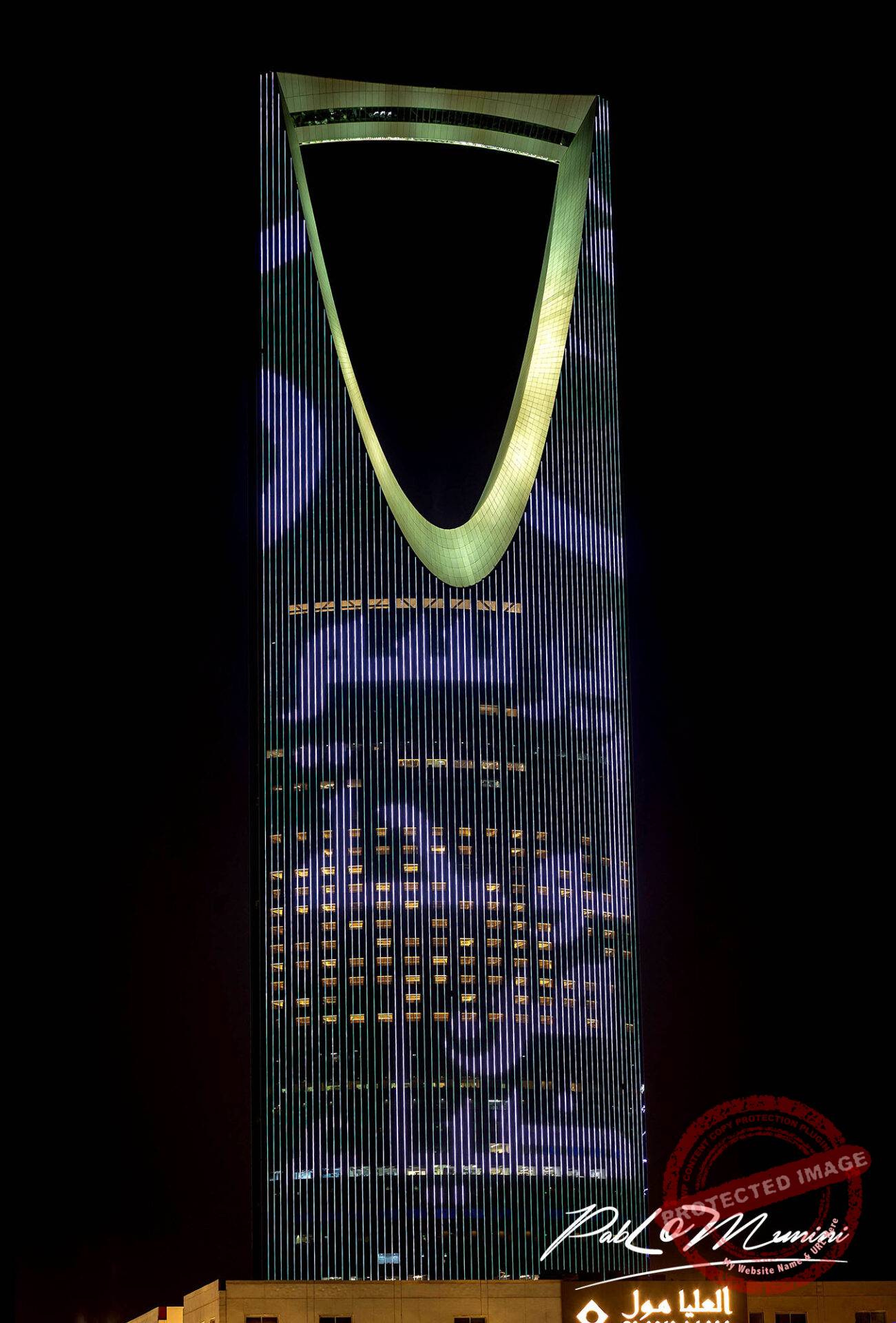
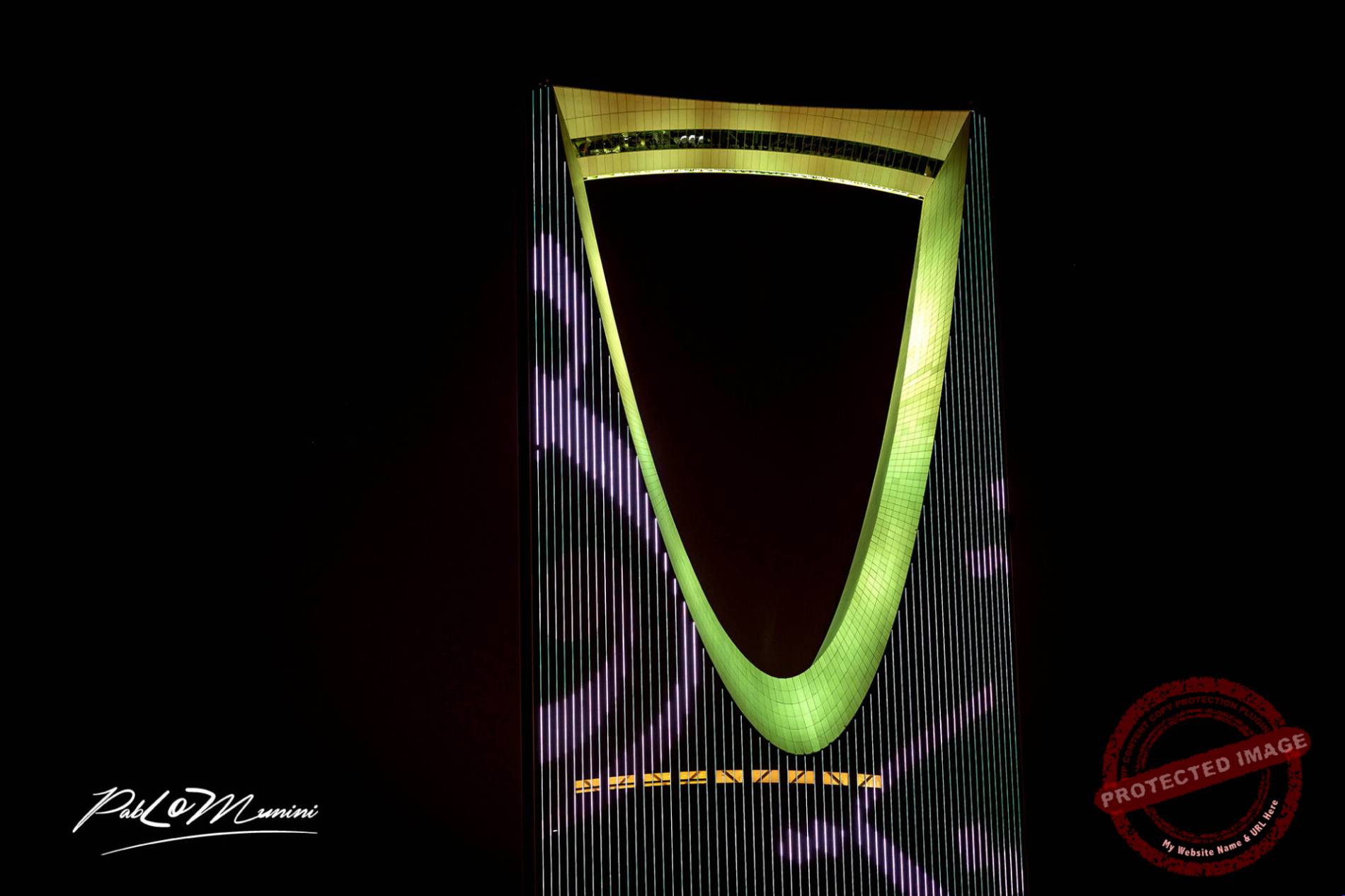
The Kingdom Centre rose above the horizon like a gigantic gateway opening onto the sky. Further on, sunlight glided across the undulating forms of Majdoul Tower. Glass, steel, motorways, enormous shopping malls, and buildings that seemed to compete with one another to prove which belonged most convincingly to the future.
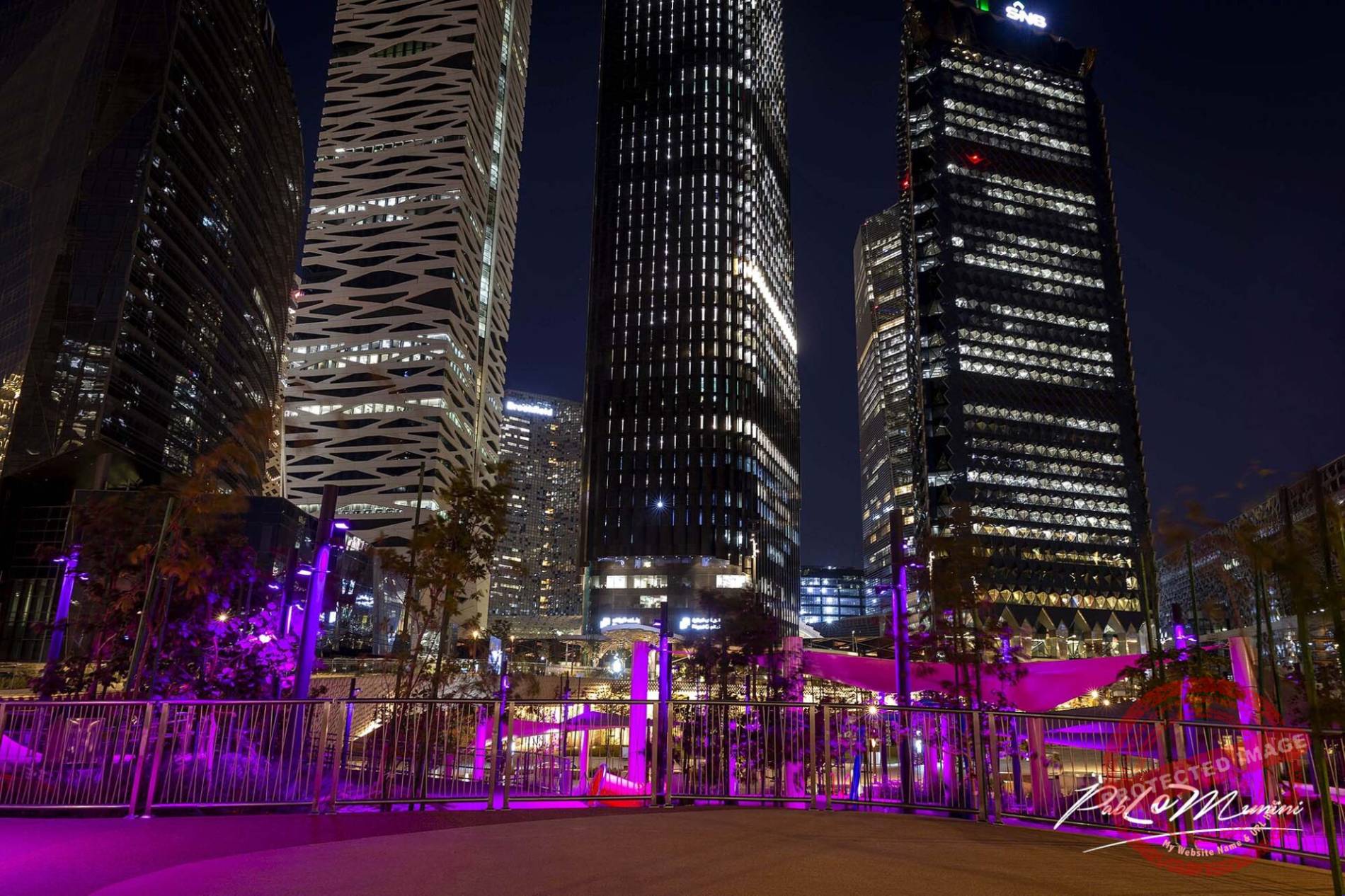
Then I reached the King Abdullah Financial District.
There, I had the strange sensation that I had not merely travelled to another part of the city, but into another century. Its towers, with their audacious geometries, rose from the landscape like a vision of a metropolis yet to exist.
And yet, only a short distance away stood Diriyah.
Mud brick, earth, palm trees, walls.
The past.
Perhaps it was then that I truly began to understand Riyadh.
This is not a city that can be explained by following a conventional tourist itinerary. You have to explore it without too many certainties and allow yourself to be surprised by its contradictions.
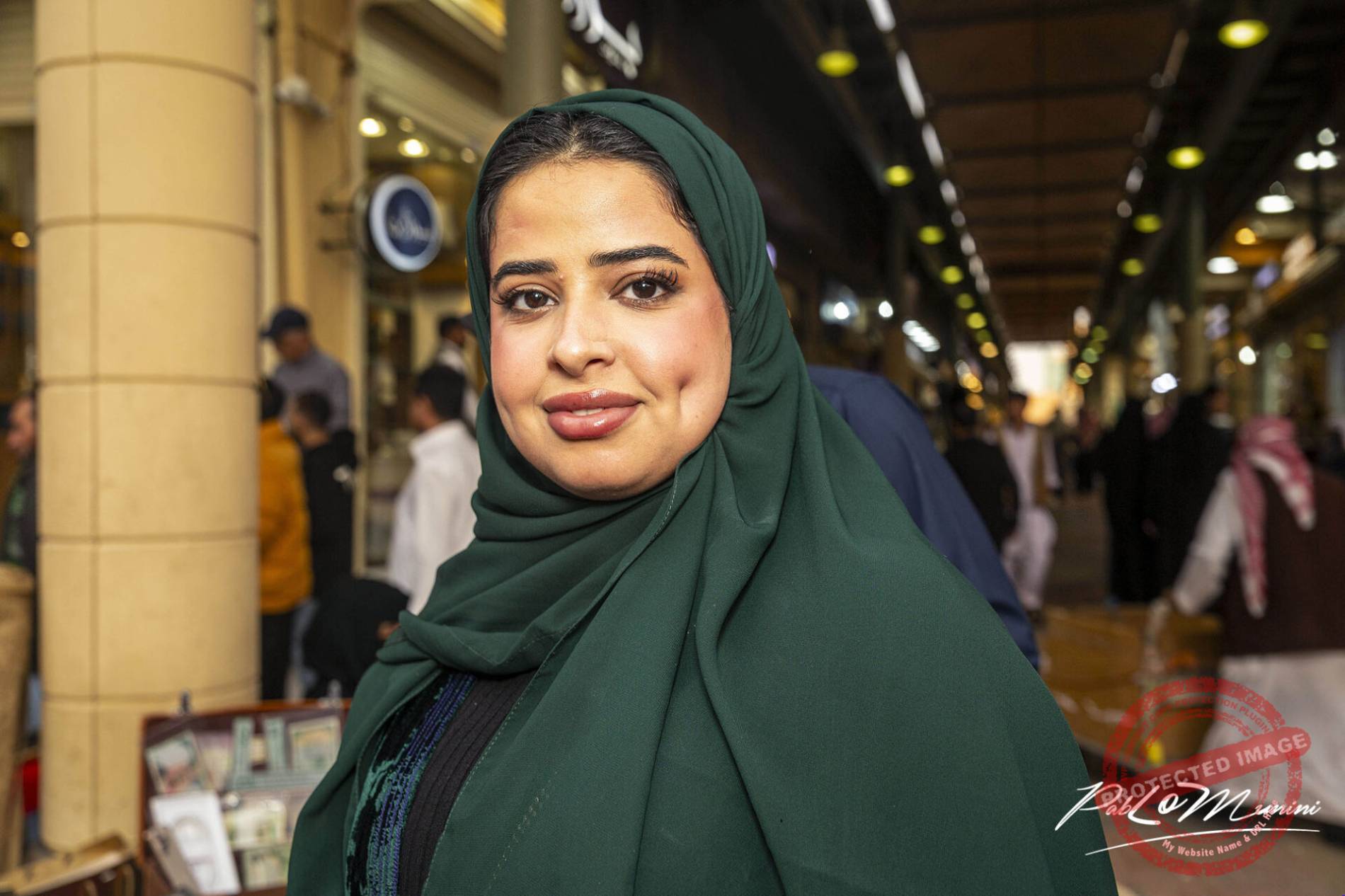
Here, the silence of prayer interrupts the ceaseless hum of a metropolis of millions. Ancient Najdi doors coexist with futuristic skyscrapers. The desert embraces a city whose very name evokes gardens. Young people carrying the latest smartphones walk through places where, centuries ago, the history of the kingdom began. Women wrapped in their abayas wander through sophisticated shopping malls, pause before the windows of international luxury brands, and sample delicate French perfumes.
Two worlds that, seen from the outside, might appear irreconcilable, yet here are simply part of the same everyday reality.
Riyadh seems to be racing towards the future at astronomical speed, yet it carries with it a past from which it neither wishes — nor perhaps needs — to break free.
Perhaps that is why my most vivid memory is neither a monument nor one of its vertiginous skyscrapers.
It is that first taxi ride.
Two strangers unable to understand a single word of each other’s language, travelling through a city that I, too, was unable to understand.
And perhaps that is the best way to discover Riyadh: to lose our bearings for a moment, abandon a few certainties, and embrace the privilege of travelling into the unknown.
Pablo Munini © Milano, August 2026