Follow me:


Tangier طنجة
THE BEGINNING OF A JOURNEY WITHOUT END
TANGIER
Tangier Morocco
“Homer and I parted at the gates of Tangier; I believe without saying goodbye.”
— Jorge Luis Borges, The Aleph
There are cities one arrives in almost by intuition, guided by that inexplicable feeling that something extraordinary is waiting to be discovered. Such was my journey to Tangier Morocco , just a few days ago.
I knew, of course, that Tangier was a city steeped in history, occupying a privileged position beside the Strait of Gibraltar, where the waters of the Mediterranean and the Atlantic meet, and where Africa seems to reach out towards Europe. I was also vaguely familiar with its cosmopolitan past, its years as an international city, and the fascination it had long exercised over writers, artists and travellers. But little more than that. I preferred to arrive without too many preconceived ideas, ready to discover the city through my own eyes.
My intuition suggested that the experience would be remarkable. What I had not anticipated was just how far Tangier Morocco would exceed my expectations.
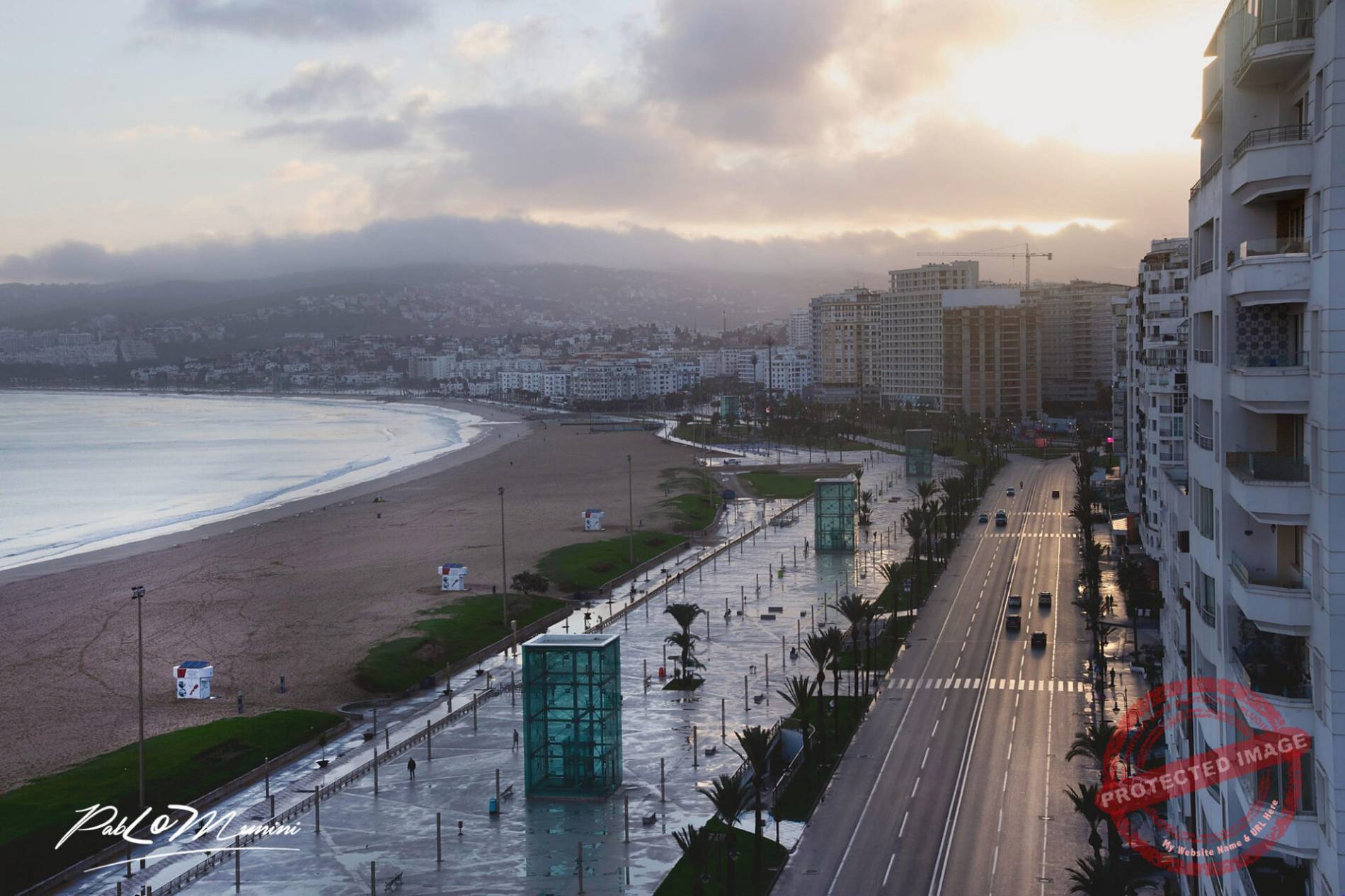
The first thing that struck me was the omnipresence of green. An unexpected abundance of vegetation lining broad avenues, gardens and open spaces. I discovered a luminous, airy city, with an extraordinary sense of openness. And, above all, that constant presence of the sea which, even when hidden from view, seems to make itself felt everywhere.
Perhaps I had expected a city more enclosed within its past, closer to the exotic and mysterious image that has so often accompanied its name. Instead, I encountered an open, surprisingly verdant city, with generous spaces and a contemporary energy I had never imagined.
And yet history is everywhere, even when it does not immediately reveal itself. Ancient Tingis, known to the Phoenicians, Carthaginians and Romans, was coveted for centuries because of its strategic position. Portuguese and English rulers, merchants, diplomats and travellers from countless backgrounds all passed through here. Each successive age left something behind: a trace, a word, an architectural detail, a particular way of looking at life.
It was during the twentieth century, however, that Tangier Morocco acquired the distinctive character that continues to nourish its legend. Established as an international zone in the 1920s, administered by several European powers under Moroccan sovereignty, it became an extraordinary meeting place of cultures, languages and personalities. A city of freedoms and contradictions, intrigue and creativity, where worlds that elsewhere might have remained apart found themselves living side by side.
It is hardly surprising that Tangier Morocco attracted so many artists and writers. Eugène Delacroix and Henri Matisse found inspiration in its light and colours; Paul Bowles made the city his home for decades; William S. Burroughs, Tennessee Williams and many others helped shape its reputation as a cosmopolitan, fascinating and, at times, transgressive refuge. A city that seemed to exist somewhere between reality and literature.
Its very geography seems to invite encounters, imagination and the mingling of worlds. Tangier is a gateway, a frontier and, at the same time, a point of departure. Perhaps this is why it possesses something profoundly literary, as though every street might conceal a story and every glance suggest a narrative still waiting to be written.
And yet the Tangier I encountered is by no means a prisoner of its own legend.
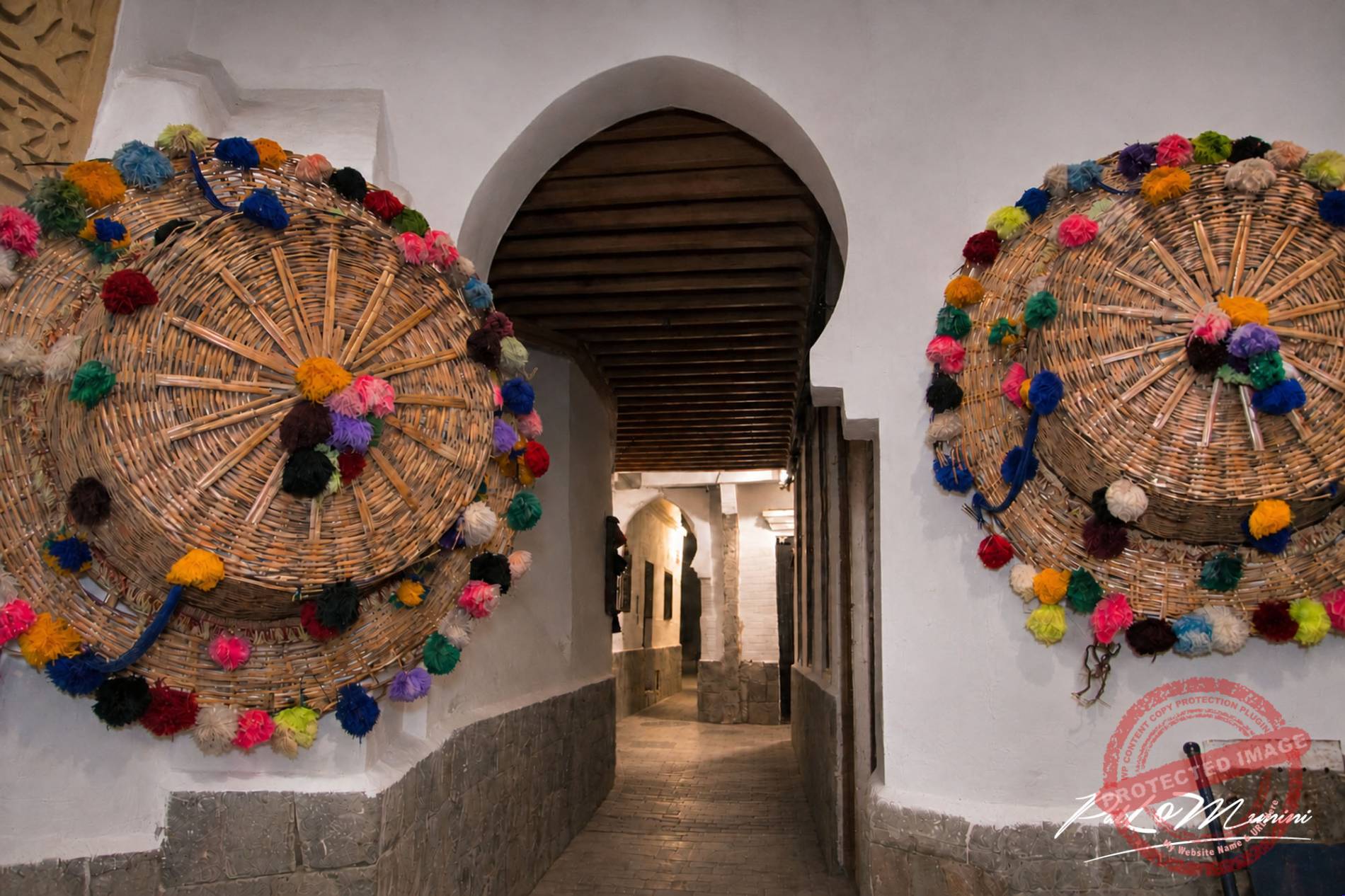
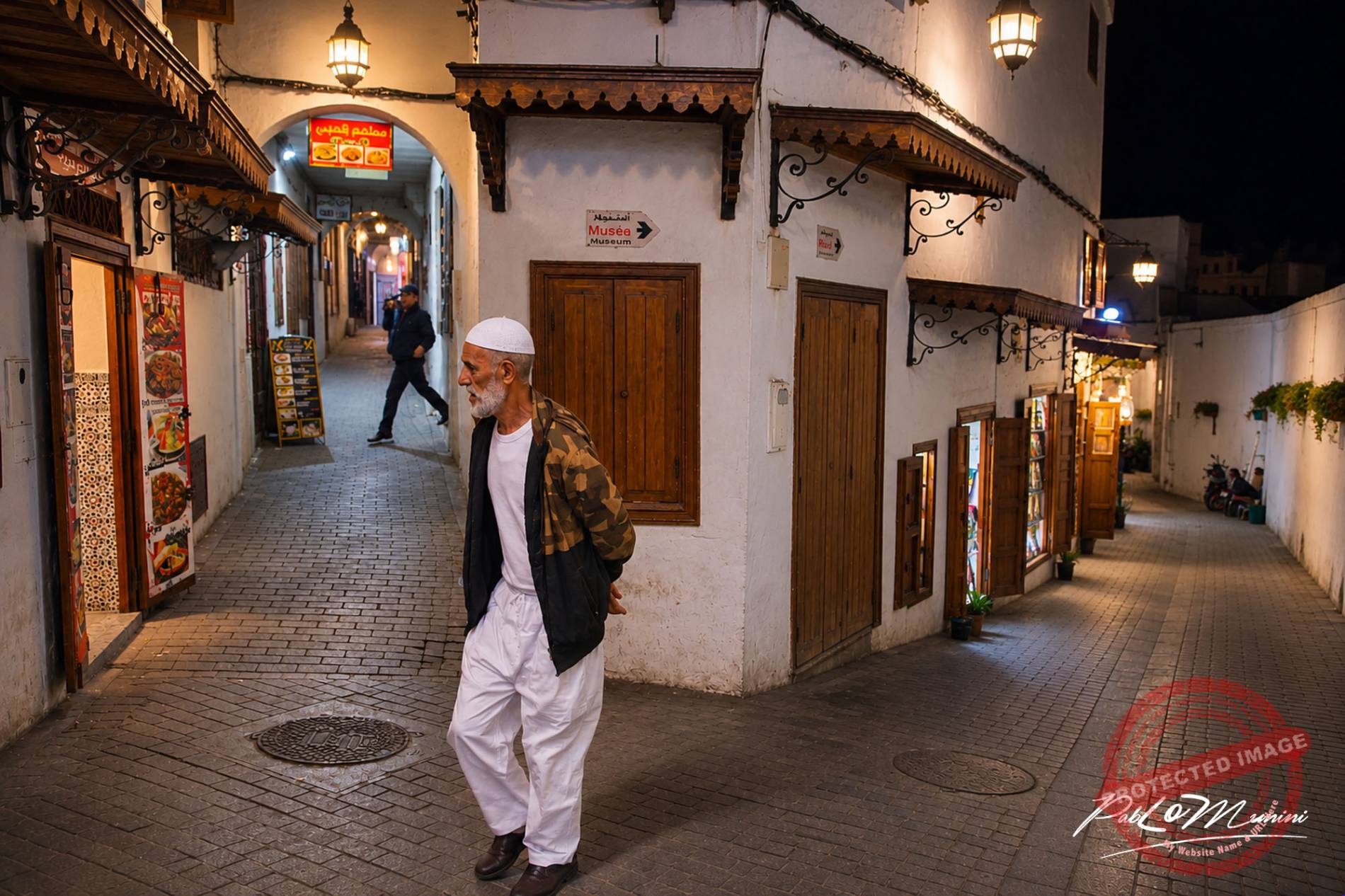
There is something about Tangier that is difficult to put into words. It is a city that breathes, moves and grows. A dynamic city in the midst of transformation, where modernity coexists with a history stretching back thousands of years. Its avenues, new neighbourhoods, seafront promenade and vibrant urban life speak of the future, while the medina, the kasbah and the old streets remind us that cultures, languages, civilisations and destinies have intersected here for centuries.
I find myself drawn to the contrast between the white city of old photographs, with its cafés frequented by writers and its narrow medina alleyways, and the contemporary Tangier, looking towards the future with remarkable confidence. These are not two different cities, but two expressions of the same identity. Perhaps its true charm lies precisely here: in its ability to reinvent itself without entirely relinquishing its memory.
I was also struck by the familiar sound of Spanish, spoken naturally in so many corners of the city. Its presence recalls the deep historical and cultural ties with Spain and creates an immediate sense of familiarity, as though the distance between the two shores of the Strait were even shorter than maps would have us believe.
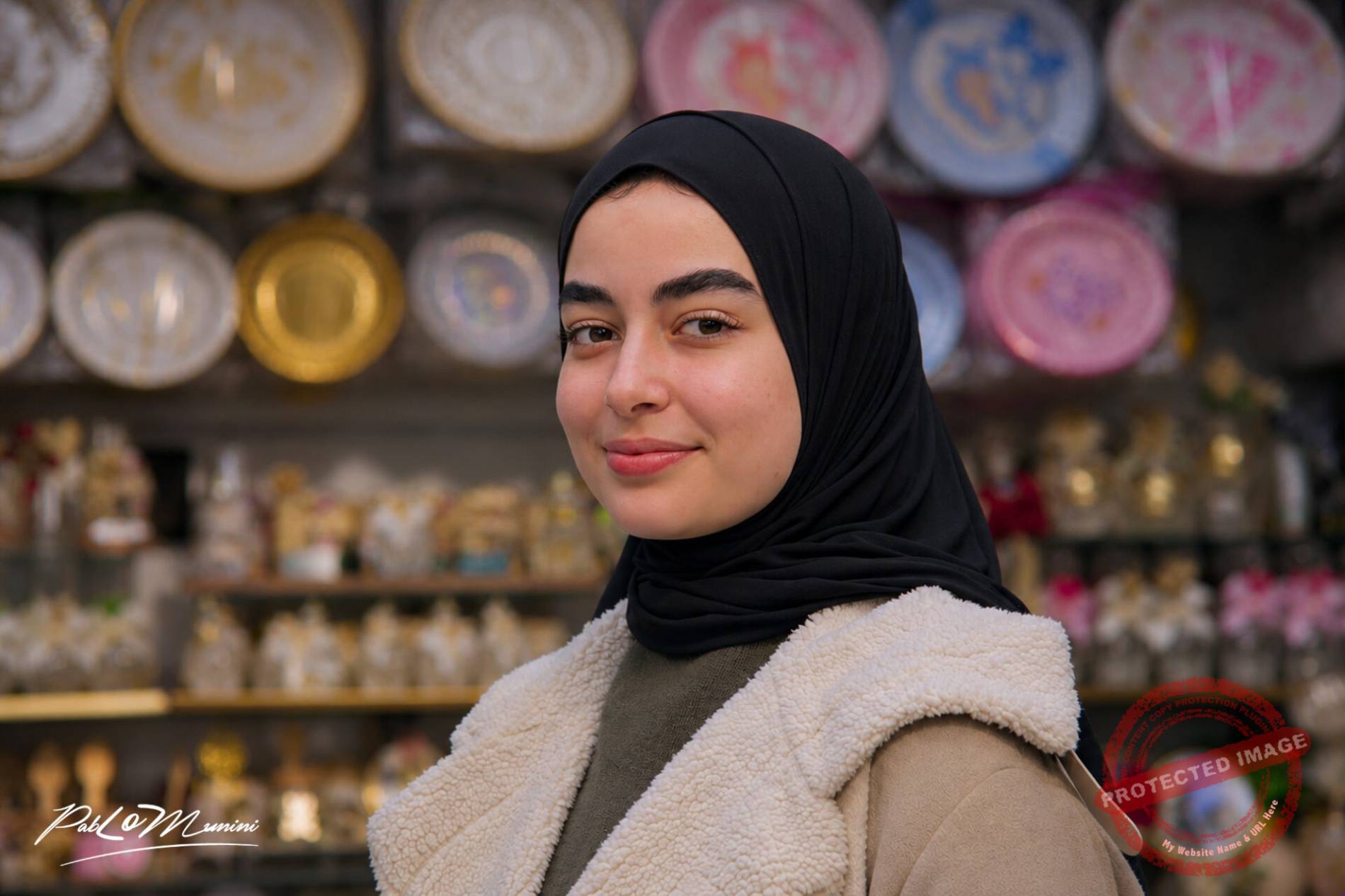
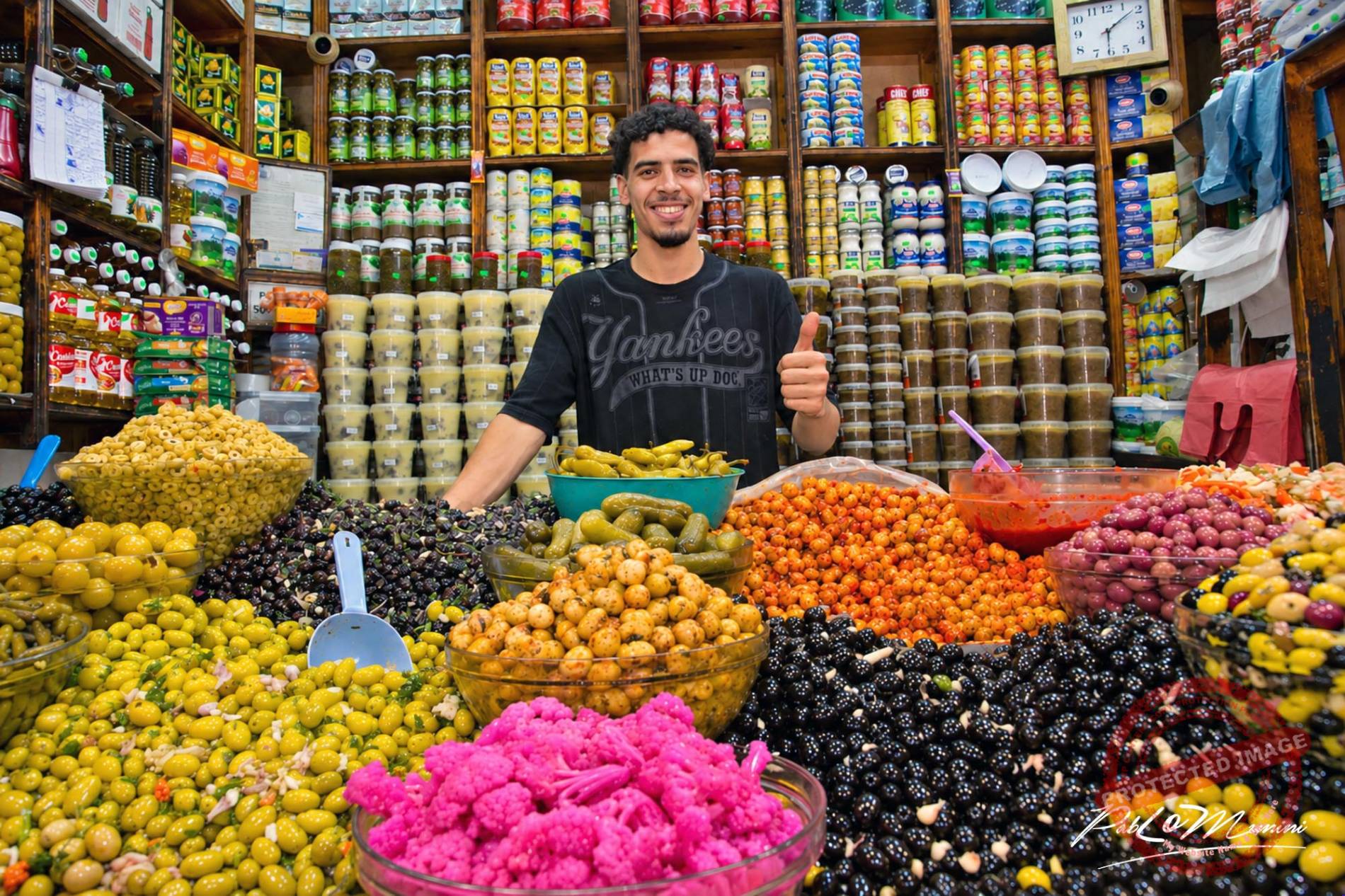
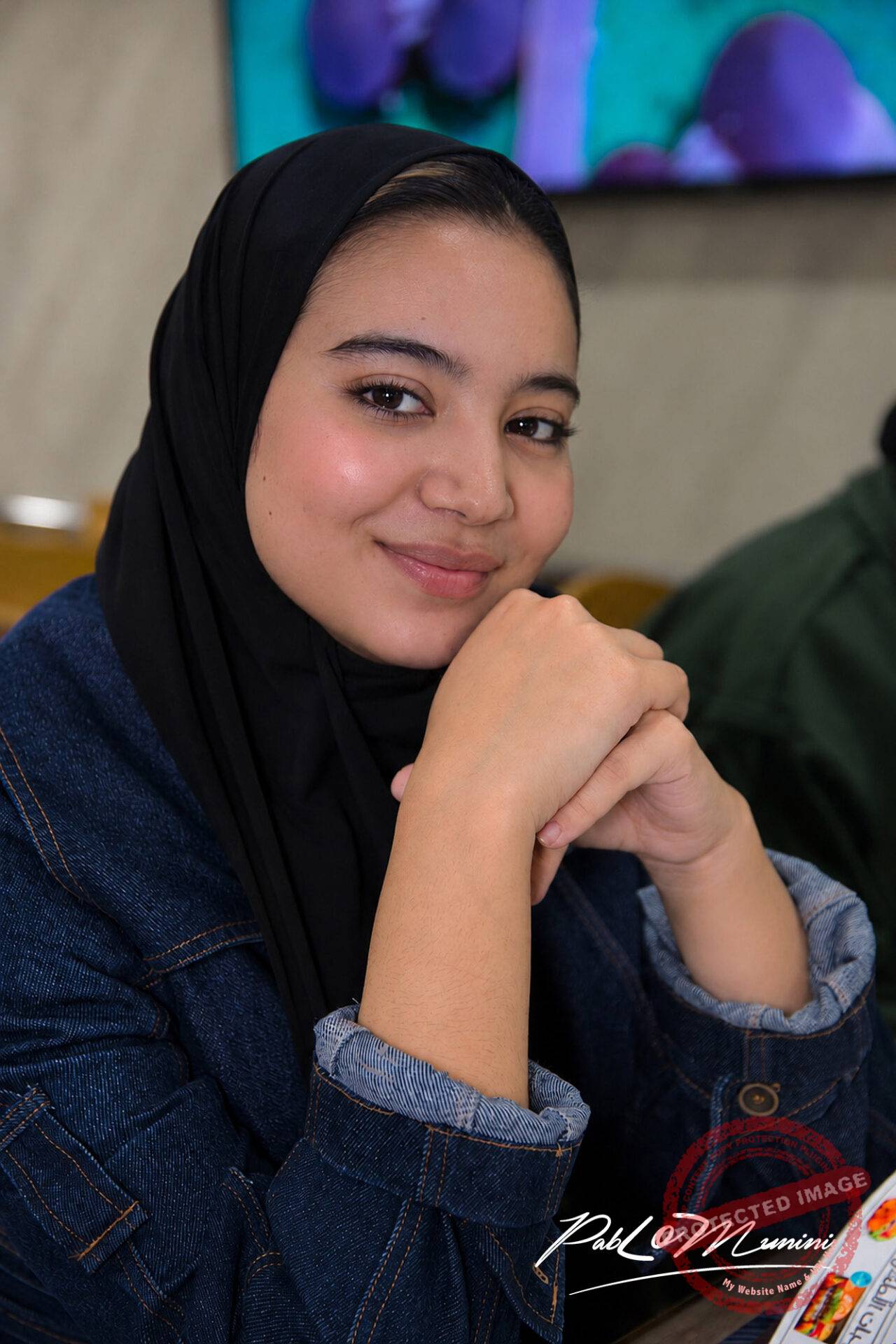
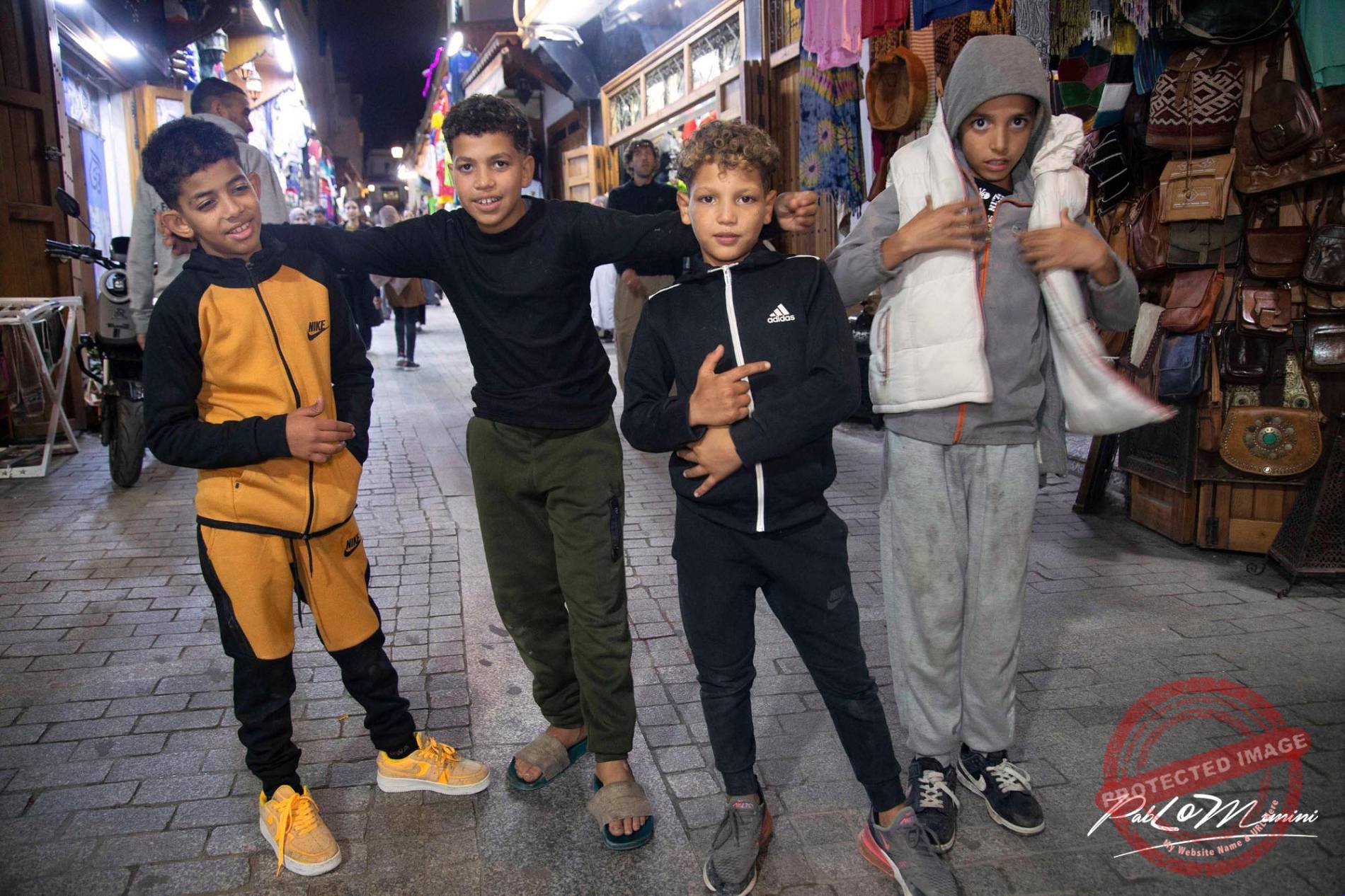
And then, of course, there are the people. The smiles, the kindness, the effortless elegance of so many Tangier women, beautiful and gracious, whose warmth made my brief stay all the more memorable. These are simple impressions, perhaps seemingly insignificant, yet they are often the ones that endure the longest. For a city is made not only of buildings, streets and monuments, but also of the faces and encounters that accompany us on our travels.
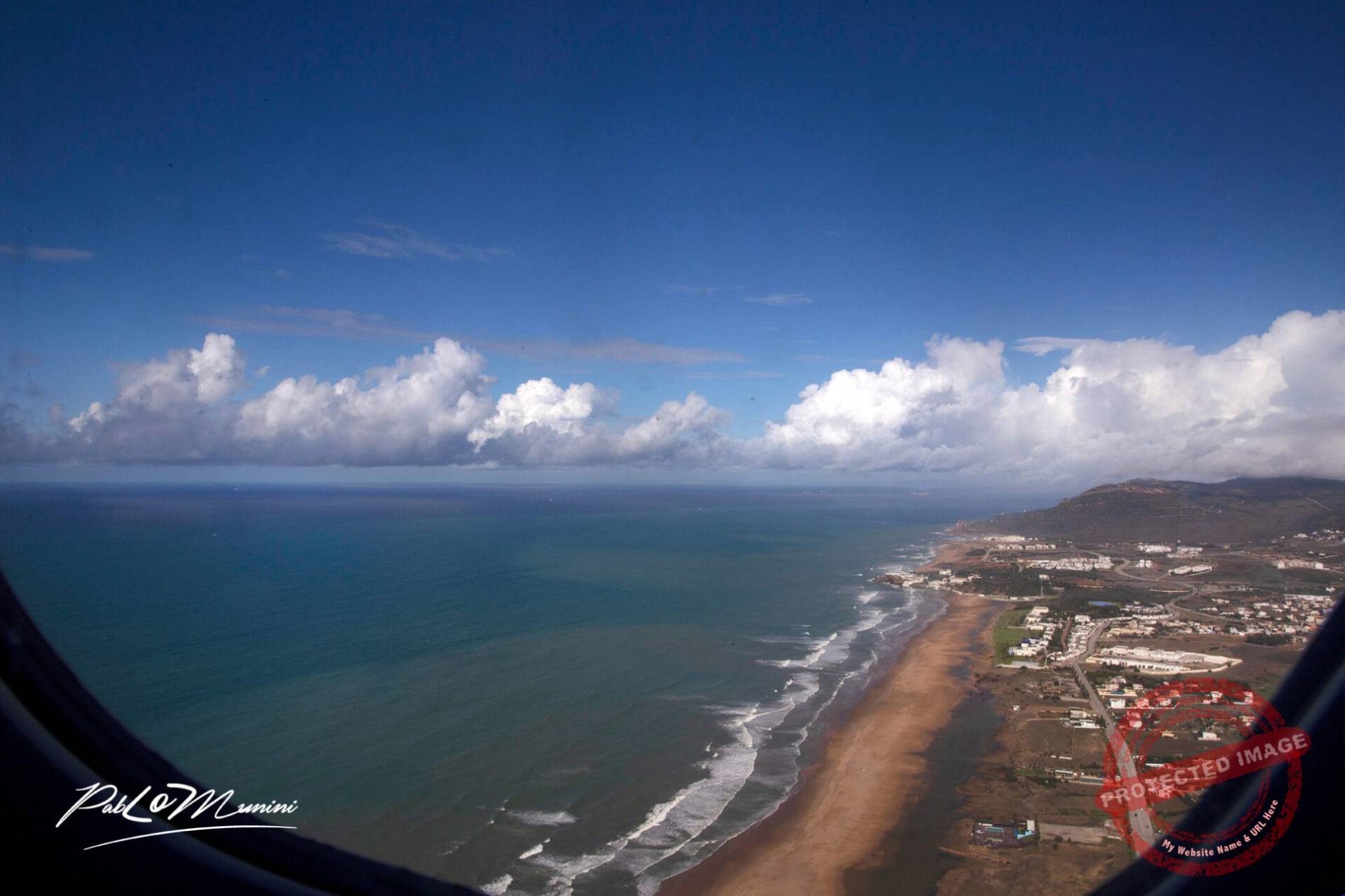
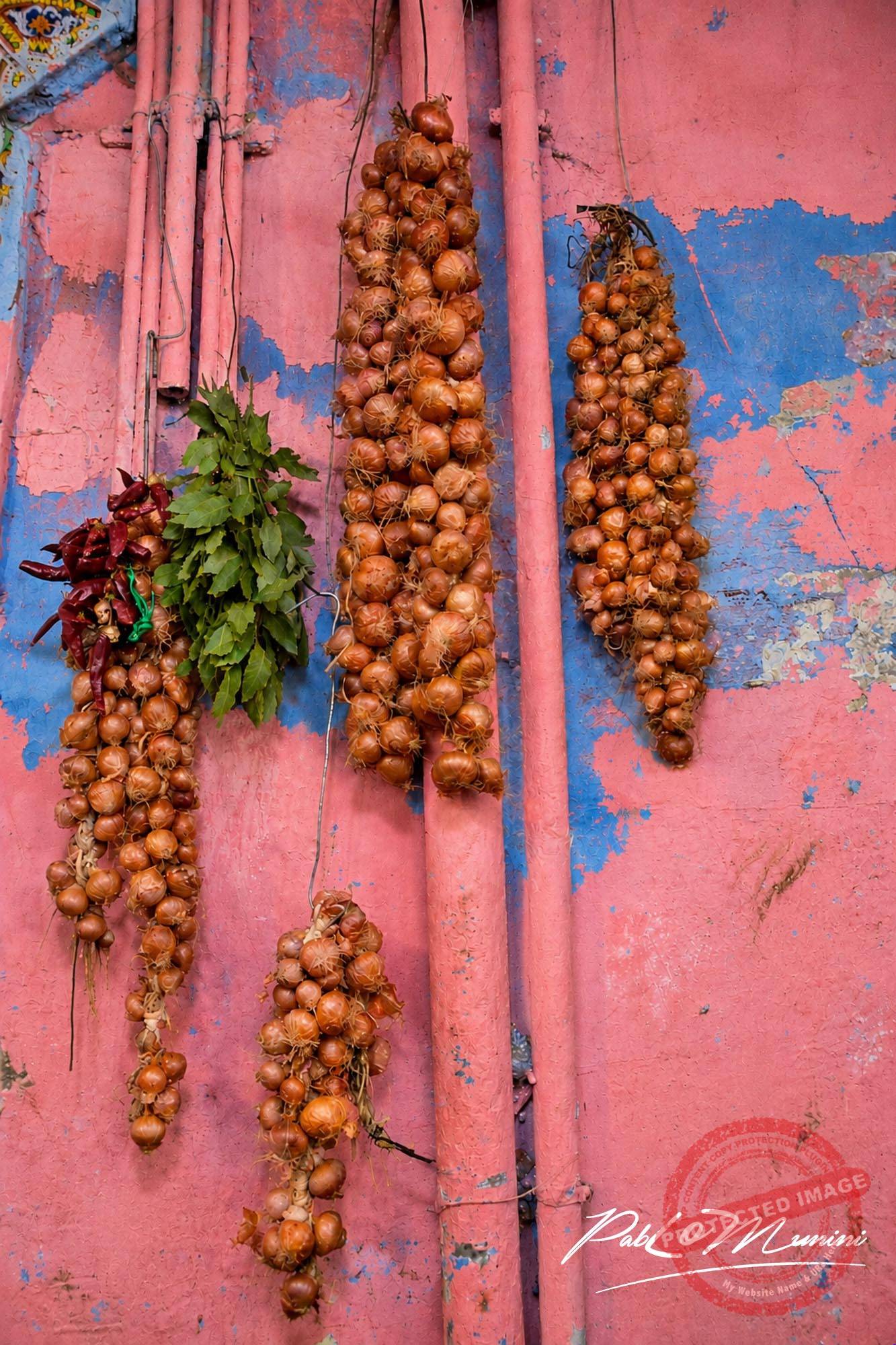
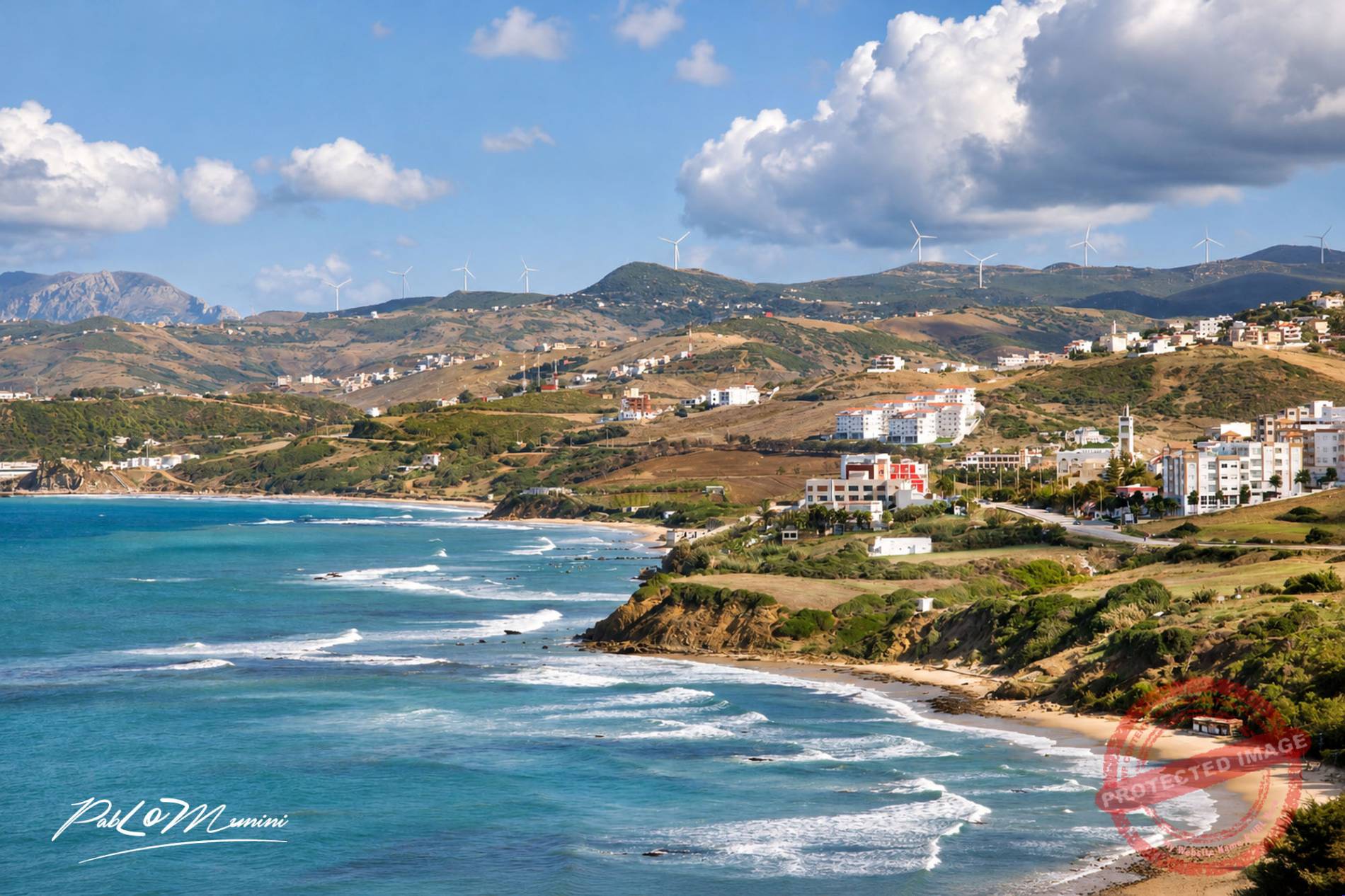
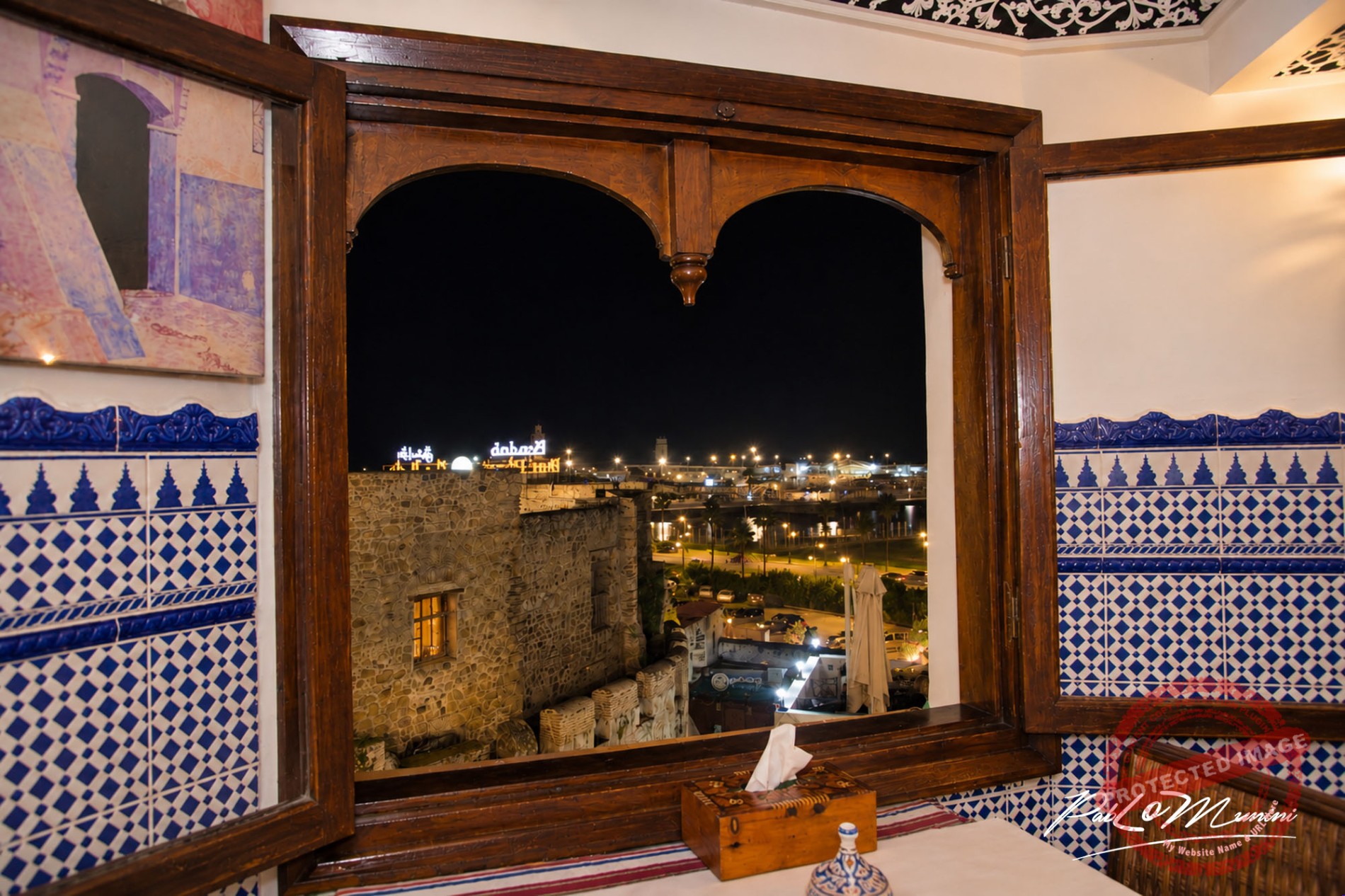
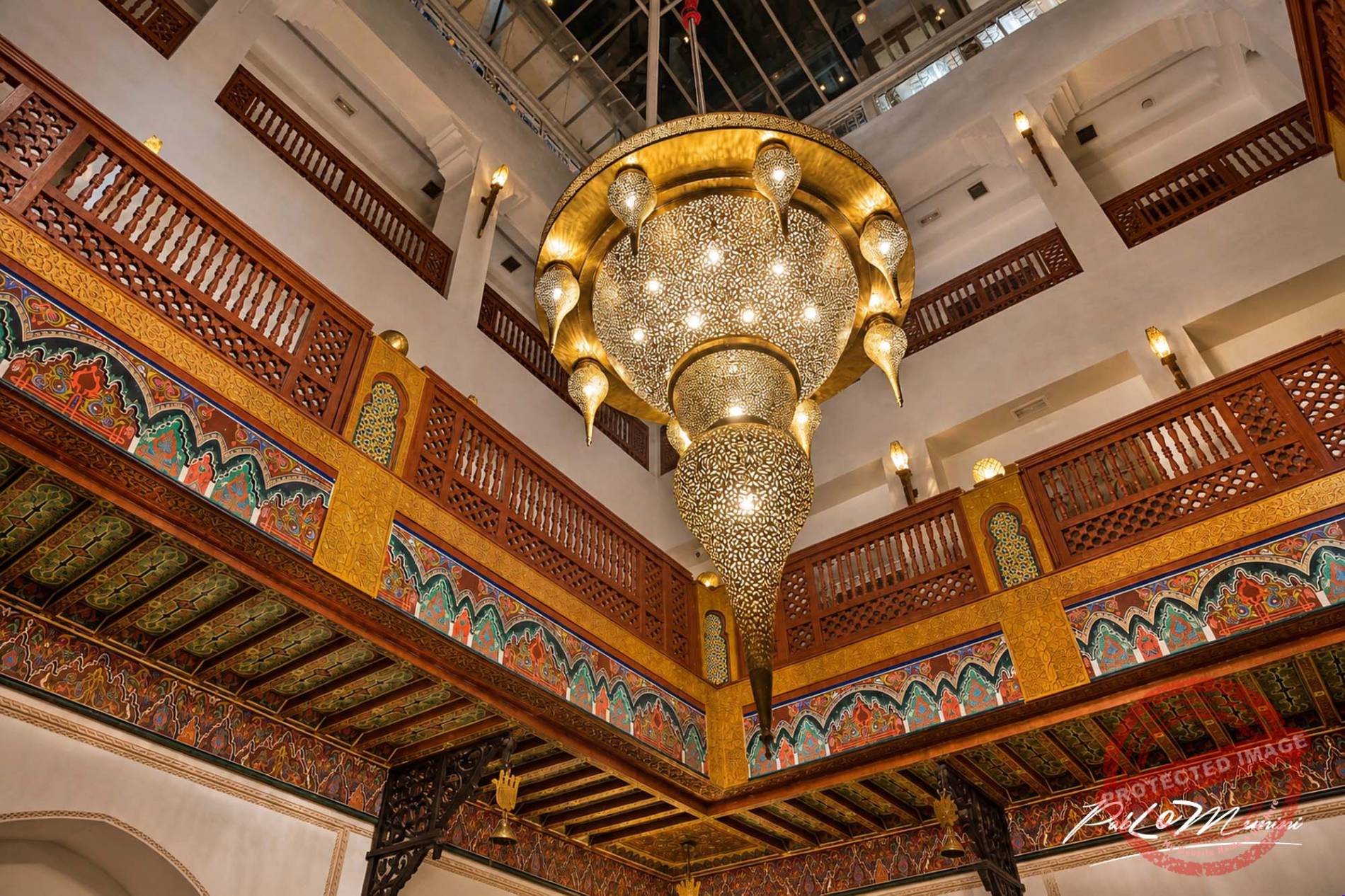
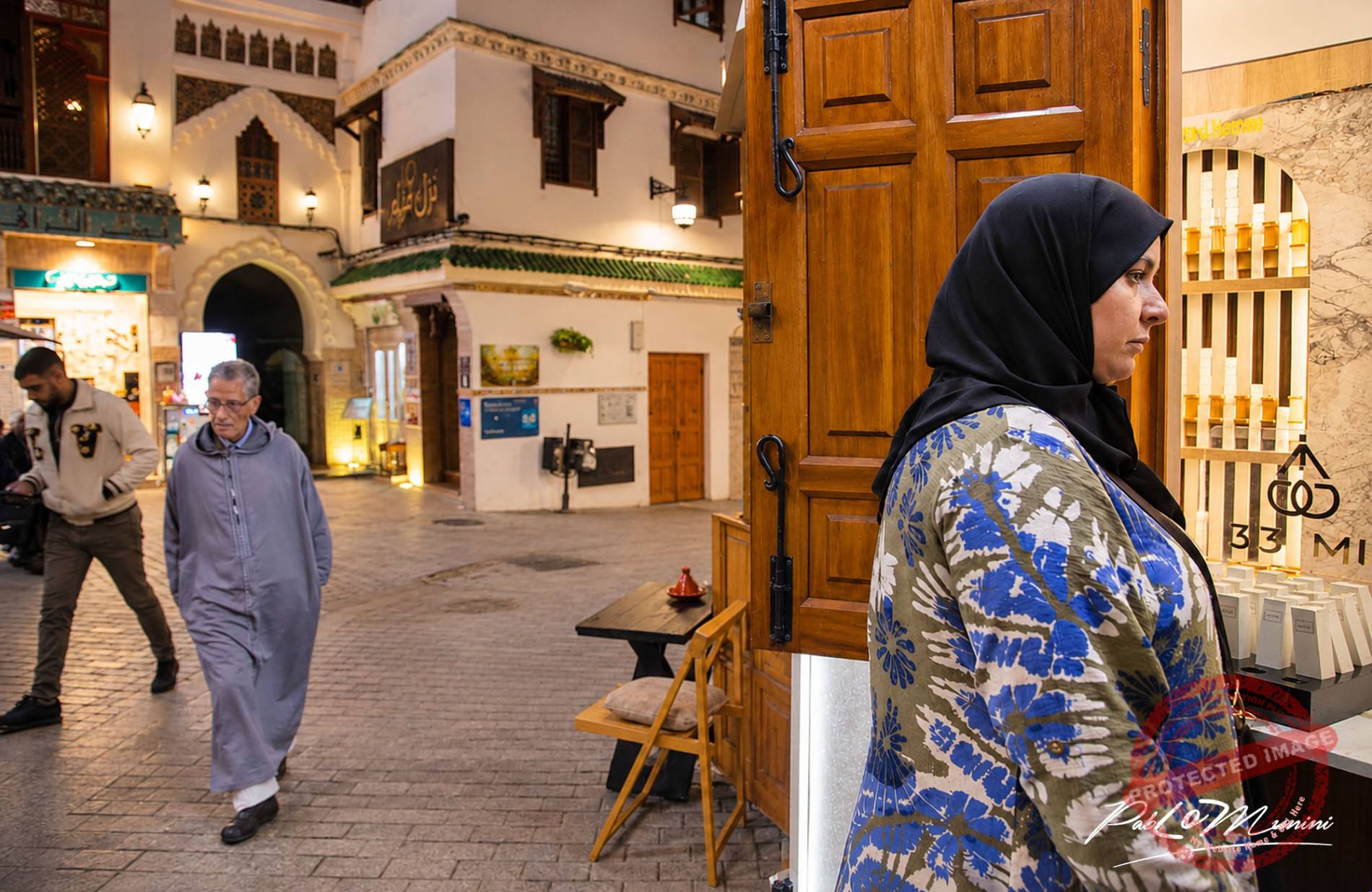
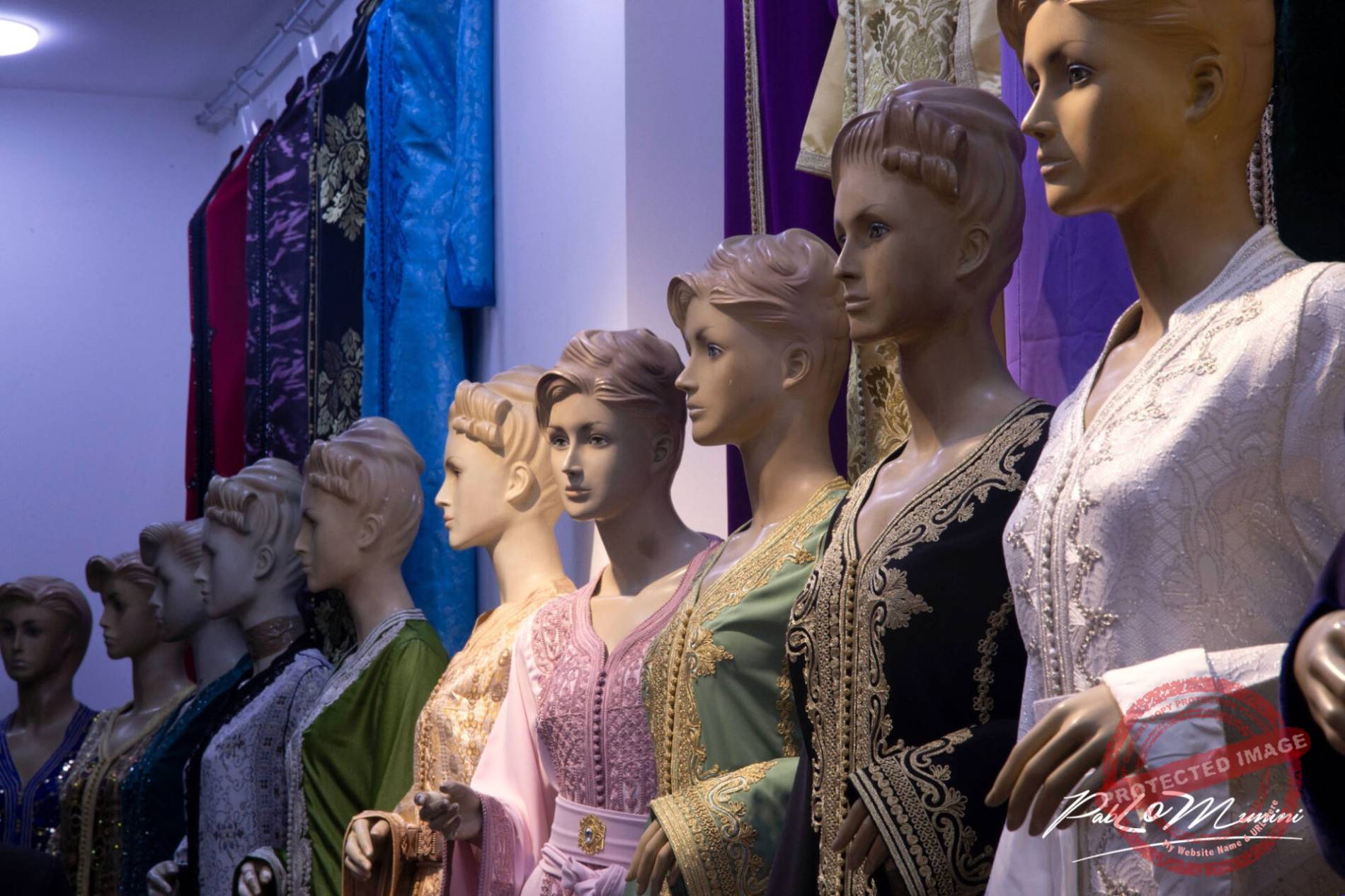
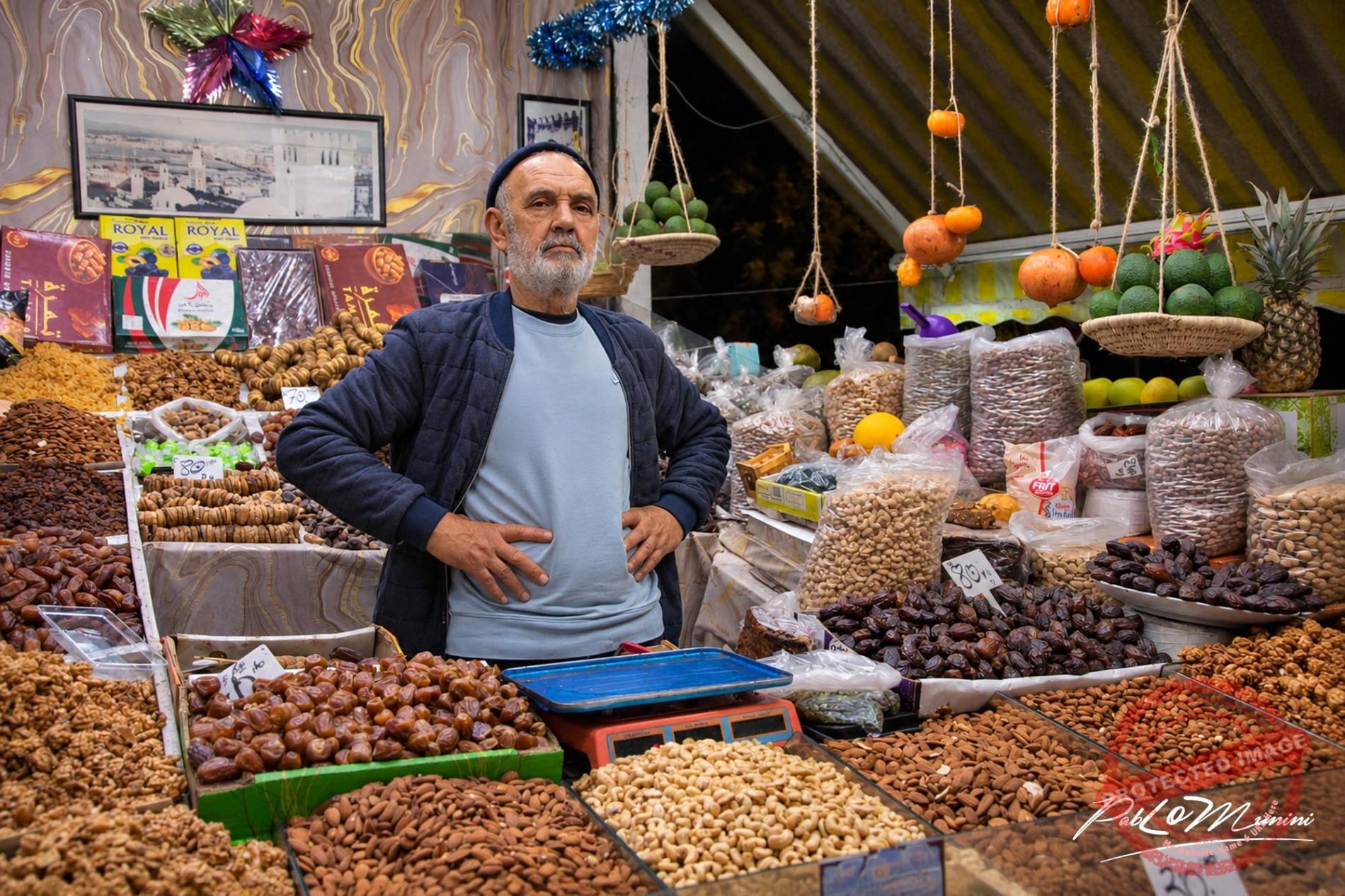
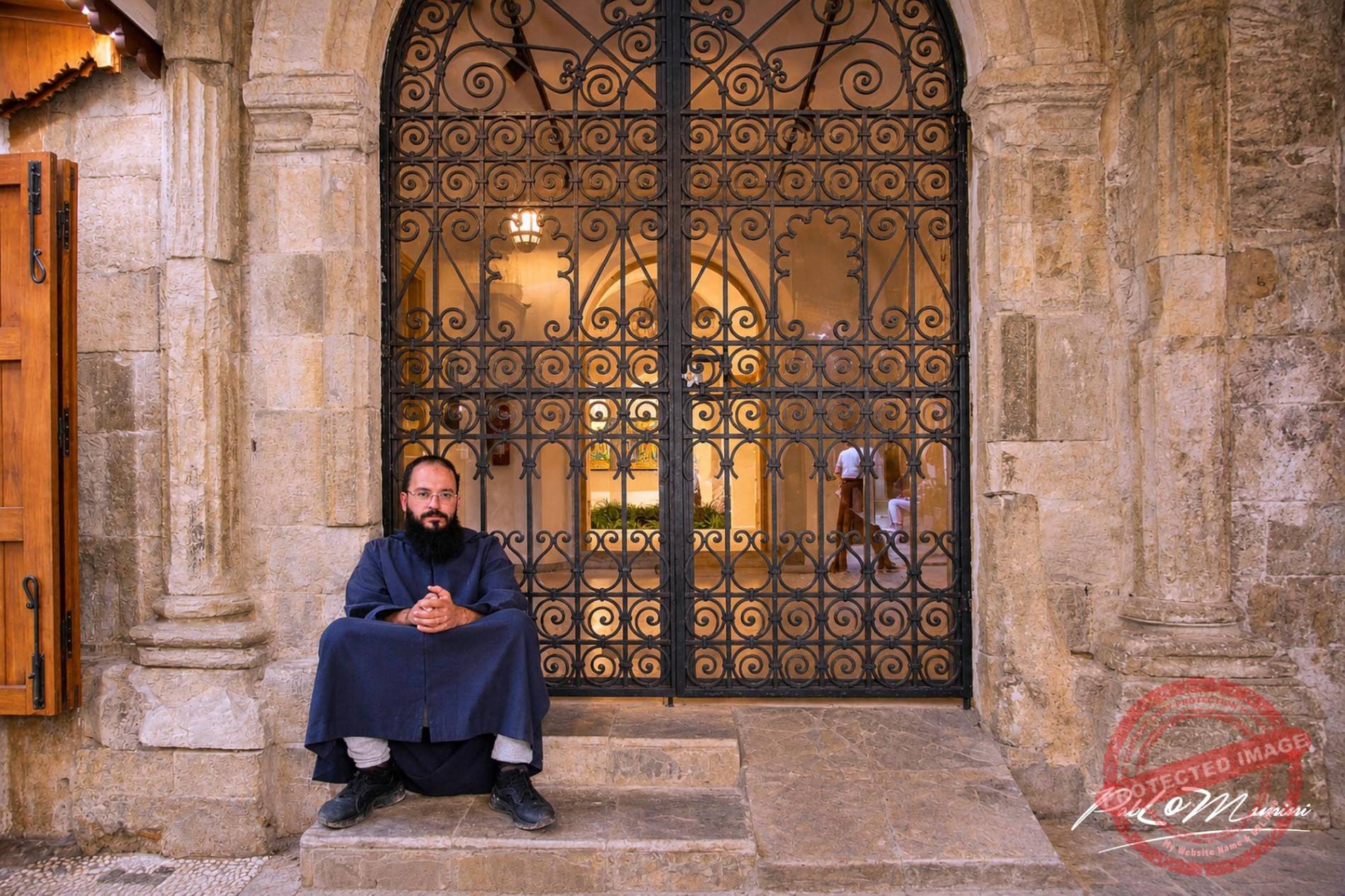
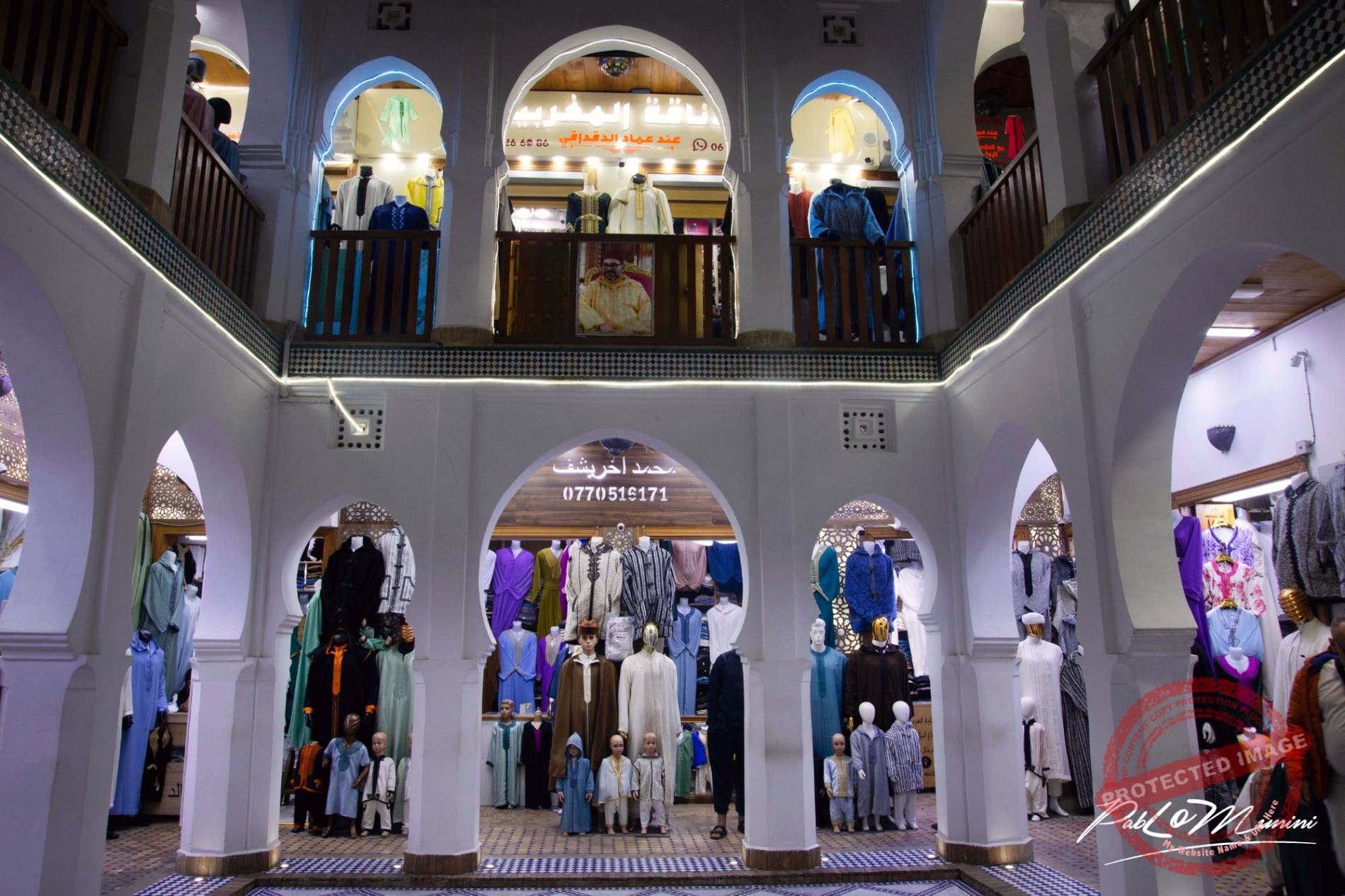
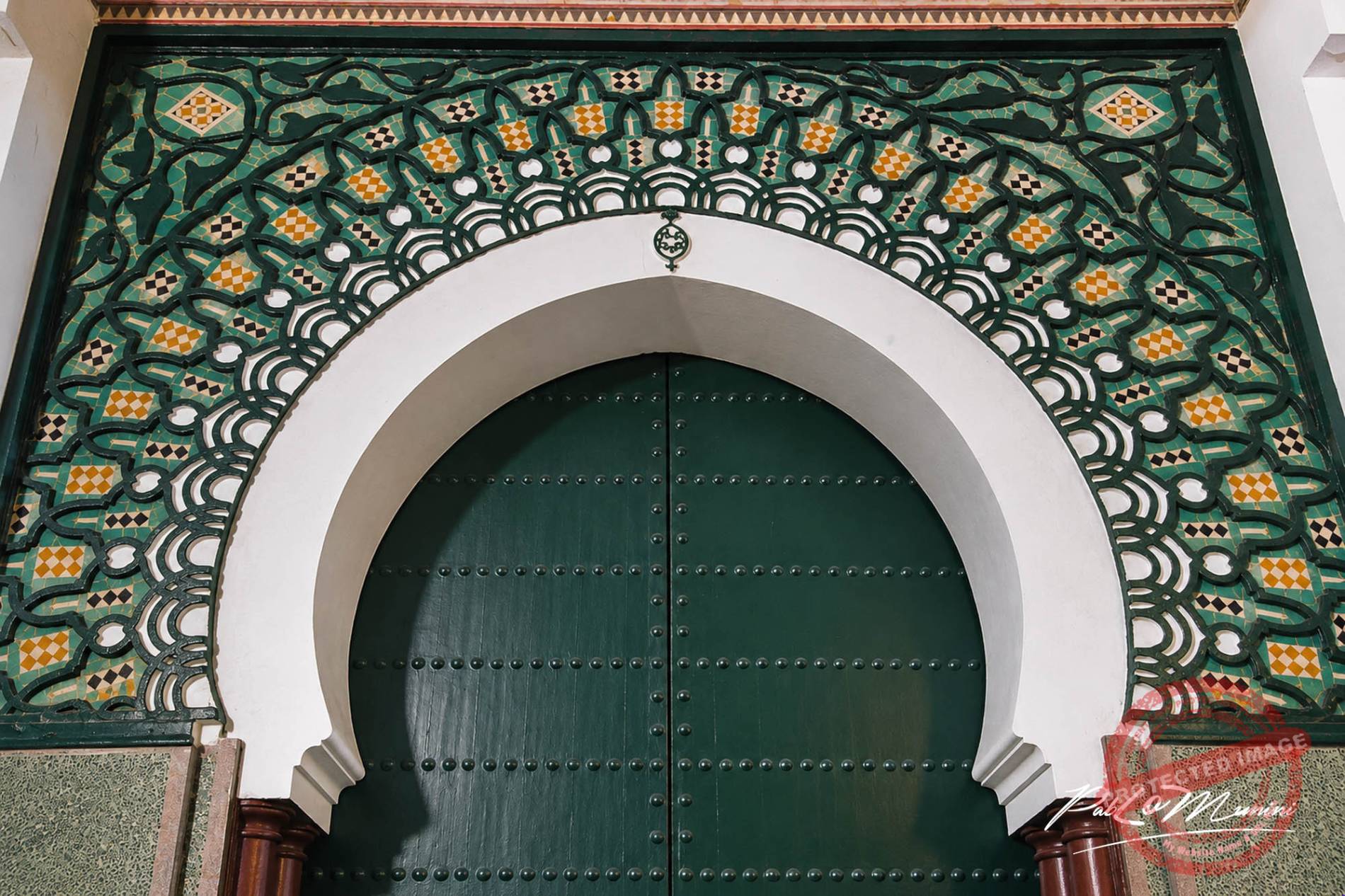
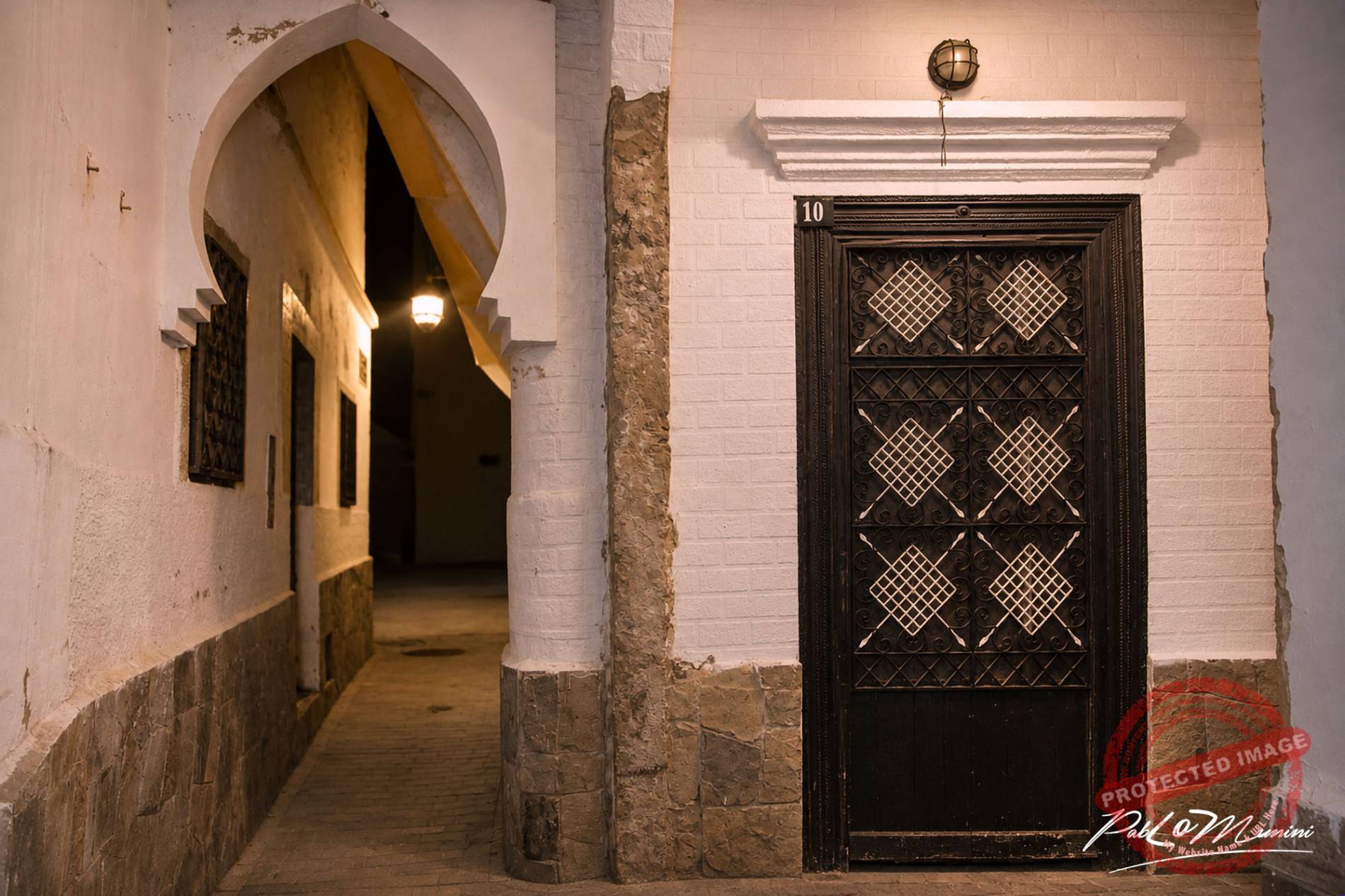
The photographs accompanying these words convey only a small part of my impressions. There are few of them, I admit. The time I had to devote freely to photography was limited, and I did not have the opportunity to explore the city as thoroughly as I would have wished. Nor did I intend to photograph everything. Sometimes, when a place genuinely surprises us, we would rather simply look, wander without a destination, pause and absorb what unfolds around us, without the constant concern of capturing it through a camera.
There is something else, too: it is not always easy to translate into images what a city makes us feel. Some sensations escape the lens, some atmospheres resist the confines of a frame, and certain impressions need time before they can find their proper expression. Perhaps that is why these photographs speak as much of what I saw as of everything I have yet to discover.
These images are, therefore, fragments of a first encounter. Small visual notes from a city that left me with far more impressions than photographs.
And perhaps this is precisely what makes the journey so compelling: the certainty that I have only just begun to discover Tangier. A city that does not reveal itself entirely on a first visit, and that always seems to hold something in reserve for the next.
This is why I have decided to publish these photographs without delay, taken only a few days ago, rather than wait until I have assembled a more extensive collection or fully gathered my impressions. For I have come to realise that this journey did not end when I left the city.
In a sense, my true journey to Tangier begins now, with these images, with memories still vividly present, and with the desire to continue discovering it.
© Pablo Munini — Milan, 15th November 2026